
Building a deck in Colorado is not just about appearance — it’s about structure. Snow loads, elevation, and climate conditions play a major role in how decks must be designed and engineered to perform safely over time. This is especially true in mountain and foothill communities likeEvergreen, Conifer, Genesee, and the surrounding areas.
Homeowners are often surprised to learn that snow load requirements directly affect everything from footing depth to beam sizing and roof design. Understanding how decks are engineered for snow loads helps homeowners make better decisions and avoid costly issues later.
What Is a Snow Load and Why Does It Matter?
Snow load refers to the amount of weight snow places on a structure. In Colorado, snow can accumulate quickly and remain on decks and roof structures for extended periods, especially at higher elevations.
If a deck or covered structure isn’t engineered for the correct snow load:
- Framing members can sag or fail
- Connections can loosen over time
- Roof structures can become unsafe
- Long-term structural damage may occur
Snow load requirements vary by location and elevation, making local experience critical.
How Snow Load Affects Deck Design
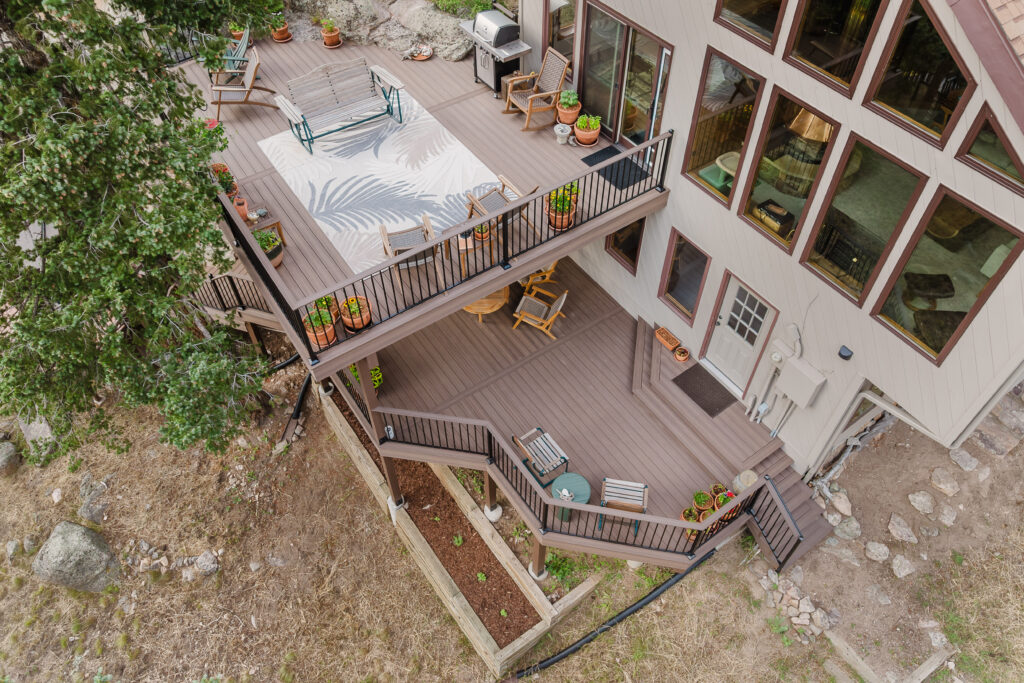
Footings and Foundations
Snow load influences the size and depth of footings. Properly designed footings:
- Prevent movement from freeze-thaw cycles
- Support additional structural weight
- Provide long-term stability
In foothill areas, footings are often deeper and larger than those used in lower elevations.
Beams, Joists, and Framing
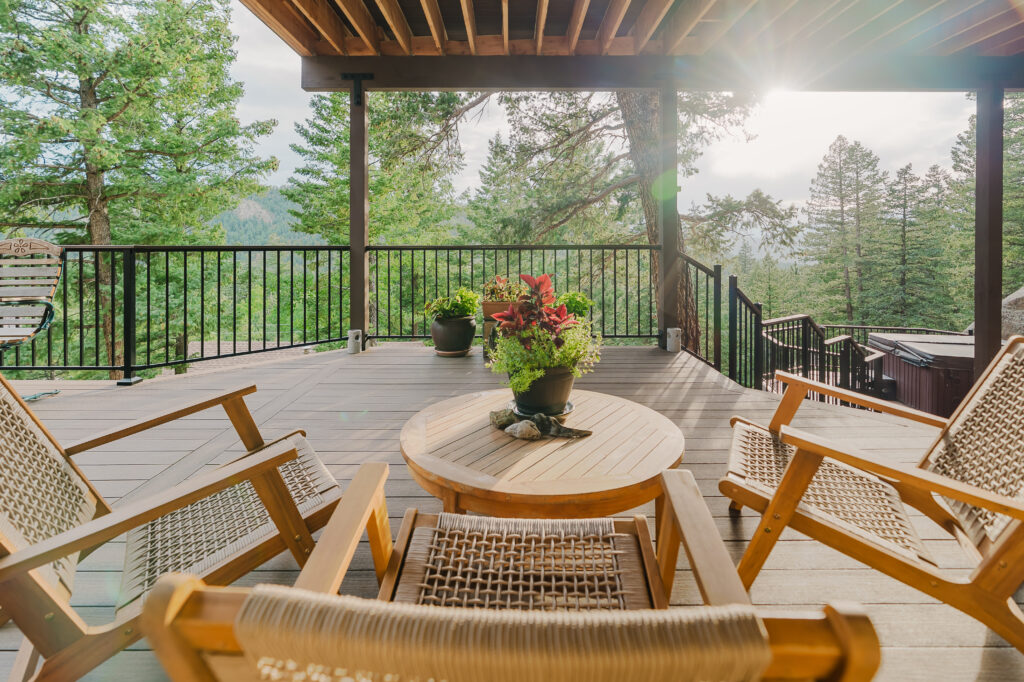
Structural framing must be sized to support both live loads (people, furniture) and snow loads.
Engineering considerations include:
- Larger beam and joist sizes
- Shorter spans or additional supports
- Proper spacing and connection methods
- Use of approved structural hardware
Cutting corners here may not be visible immediately, but it often leads to problems years later.
Covered Decks and Roof Structures
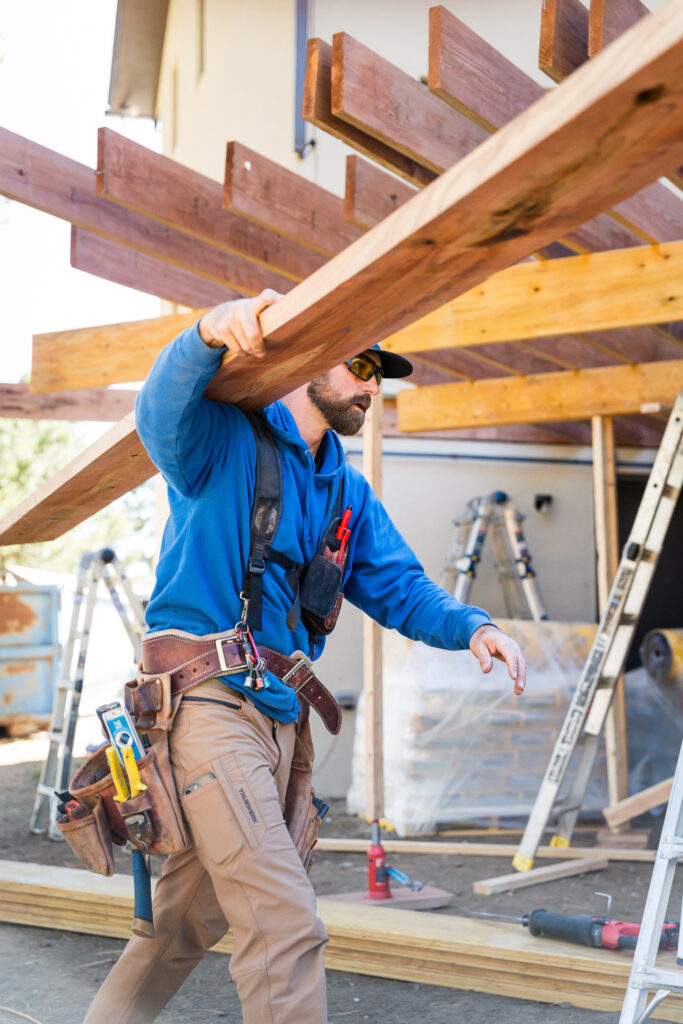
Covered decks require additional engineering because snow accumulates on roof structures rather than shedding naturally like rain.
Important design factors include:
- Roof pitch to encourage snow shedding
- Load transfer to posts and footings
- Structural connections to the home
- Proper flashing and waterproofing
Roof structures without proper engineering can pose serious safety risks in heavy snow conditions.

Railings, Stairs, and Load Transfer
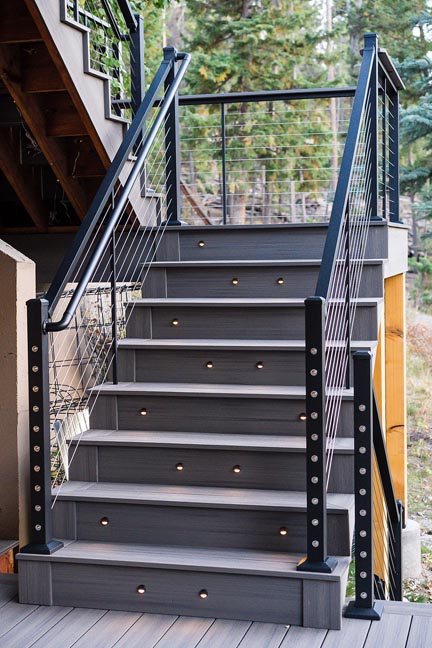
Snow load doesn’t only affect horizontal surfaces. Railings and stairs must also be designed to handle:
- Lateral forces
- Snow buildup on steps
- Freeze-thaw movement
These elements must be integrated into the overall structural plan.
Why Engineering and Permits Go Hand in Hand
Most Colorado jurisdictions require engineered plans for decks — especially covered decks and elevated structures. Permits ensure:
- Code compliance
- Proper snow load calculations
- Structural safety
- Protection of property value
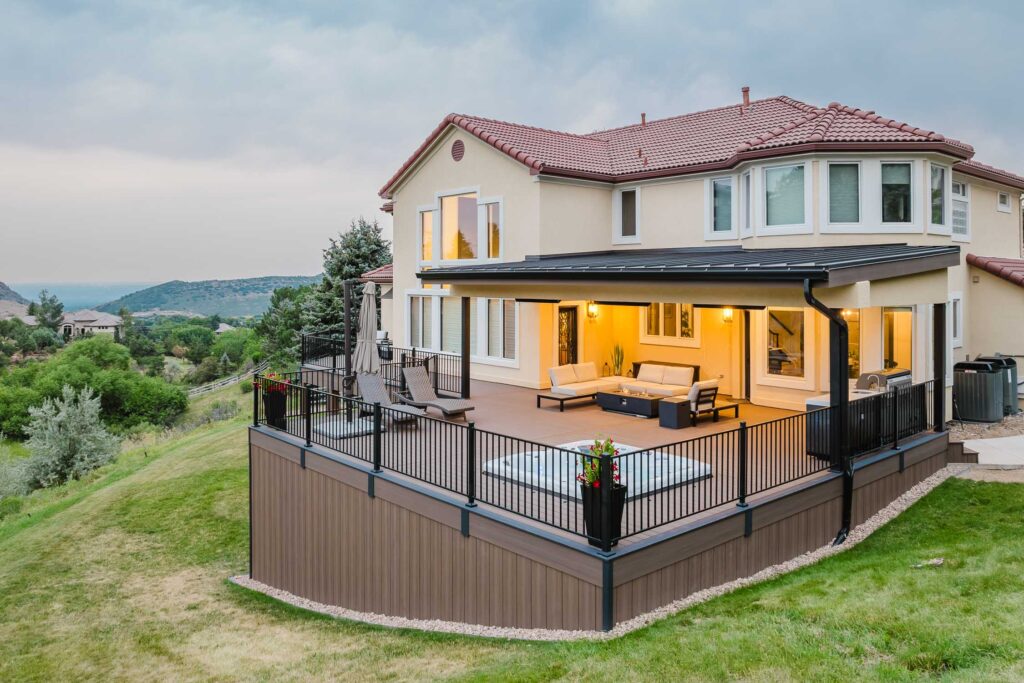
An experienced design-build contractor coordinates engineering and permitting to ensure everything is done correctly from the start.
The Importance of Working With an Experienced Builder
Decks built in Colorado’s foothills require a different level of planning than standard suburban builds. Experience with mountain construction ensures:
- Proper snow load calculations
- Site-specific design
- Long-term performance
- Peace of mind for homeowners
🔥 Why Homeowners Choose Colorado Custom Covers & Decks
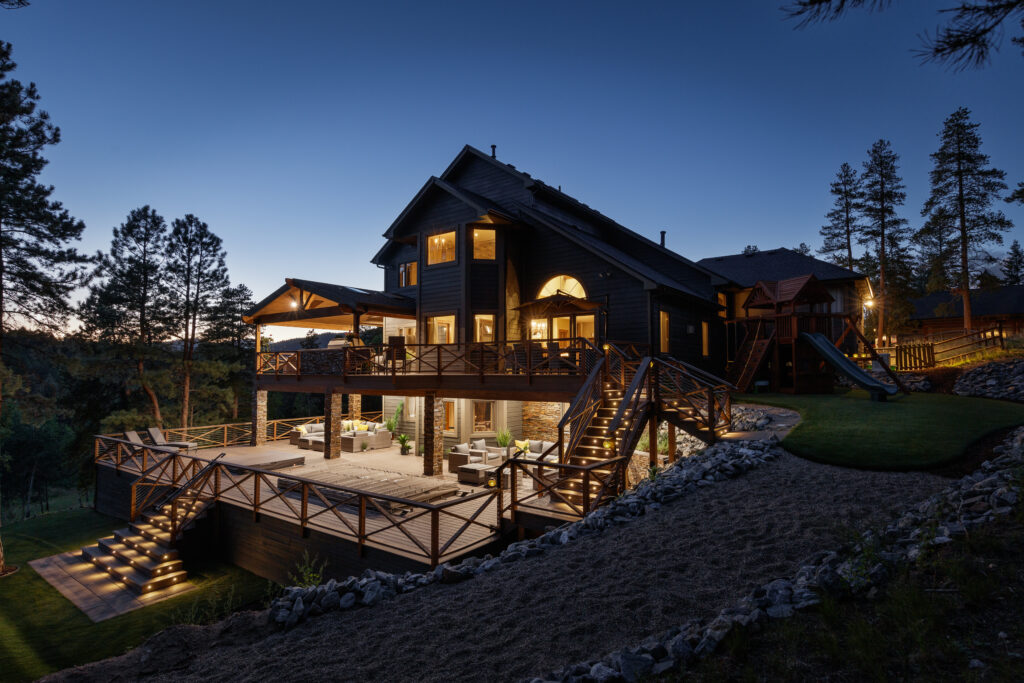
Homeowners choose Colorado Custom Covers & Decks because we don’t build one-size-fits-all decks. We specialize in custom-designed decks, covered decks, and outdoor living spaces built specifically for Colorado’s mountain and foothill environments.
Our design-build approach means every project is thoughtfully engineered from the start — accounting for snow loads, terrain, exposure, and long-term durability. From design and permitting to final construction, we manage the entire process so homeowners get an outdoor space that performs for decades, not just a few seasons.
If you’re planning a deck or covered structure in Colorado’s foothills, contact Colorado Custom Covers & Decks to schedule a design consultation and build with confidence.

