
Idledale, CO — Winter in Idledale, Colorado is not gentle. Sitting in the foothills west of Denver at an elevation where temperatures routinely cross the freezing point multiple times in a single day, this community sees some of the most punishing weather conditions a deck can endure. Colorado Custom Covers and Decks is helping local homeowners understand the real threat that freeze-thaw cycles pose to their outdoor structures and what practical steps they can take right now to prevent serious damage.

When moisture works its way into wood, fasteners, or concrete footings and then freezes, it expands. When it thaws, it contracts. That process, repeated across an entire winter season, puts enormous cumulative stress on every component of a deck. Boards develop cracks and begin to warp. Fasteners corrode and lose their grip. Structural joints shift and weaken. In Idledale, where temperature swings above and below freezing happen regularly from late fall through early spring, a deck that goes into winter without proper preparation often comes out the other side with damage that ranges from frustrating to genuinely dangerous.
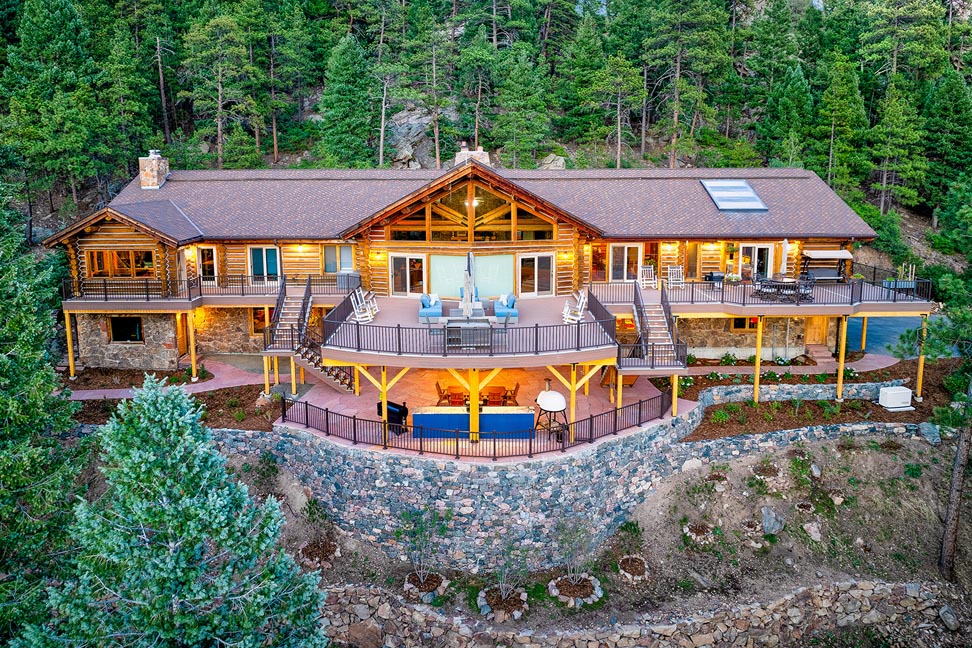
Deckorators® Certified Pro Elite Spotlight

Inspect the Deck Before Winter Arrives

Fall is the right time to get ahead of freeze-thaw damage, not spring when the evidence is already visible. Homeowners should give their deck a close look in late September or early October, checking for boards that show cracking, raised grain, or surface deterioration. These are signs that the wood has already been losing its battle against moisture and will absorb even more once freeze-thaw cycles intensify.

Loose railings, corroded fasteners, and boards that feel soft or springy underfoot all point to areas that need attention before the temperature drops. Identifying these problems in fall means fixing them on your own schedule and budget. Ignoring them means facing more extensive, more expensive repairs once the winter finishes its work.

Areas where water naturally collects deserve particular scrutiny. Spots near downspouts, low points in the decking, and corners where leaves and debris gather are all zones where moisture tends to linger, and lingering moisture is the starting point for freeze-thaw damage.

Clean the Surface and Apply a Quality Sealant

A dirty deck carries more moisture into winter than a clean one. Mold, mildew, and organic debris hold water against the wood surface and speed up deterioration. Power washing the deck in the fall and letting it dry fully before winter sets in removes that moisture-trapping layer and prepares the surface for sealing.

Applying a penetrating water repellent sealant is one of the highest-value steps a homeowner can take. It limits how much water the wood absorbs in the first place, which directly reduces the expansion and contraction that causes cracking over time. Idledale homeowners should plan on reapplying sealant every one to two years at minimum, and more frequently on decks that see heavy use or full weather exposure throughout the year.

Remove Snow and Ice Without Damaging the Surface

The tools homeowners use to clear their decks in winter can cause real damage if chosen carelessly. Metal shovels and sharp scrapers gouge and scratch wood, opening up new pathways for moisture to enter. A plastic shovel used with the grain of the wood is the right approach. Work carefully and avoid digging into the surface when clearing accumulated ice.
Chemical ice melts and rock salt are equally problematic on wood decks. They corrode metal fasteners and dry out wood fibers, creating long-term damage that adds up over multiple seasons. Sand is a far better choice for adding traction without introducing chemical deterioration.

After snow removal, take a quick look at the base of posts and anywhere the deck connects to the house. Ice buildup in these locations creates pressure on structural connections and can push water into areas that stay wet and hidden for long periods.

A Deck Cover Reduces Exposure Year After Year

For homeowners who want to move beyond seasonal maintenance and address the root cause of weather exposure, a deck cover or pergola structure offers lasting protection. Keeping precipitation off the deck surface throughout the winter means far less moisture reaches the wood, which directly reduces the frequency and severity of freeze-thaw damage.
A covered deck also extends the functional use of the space across all four seasons, which makes the investment practical on multiple levels. Modern cover designs work with a wide range of home styles and existing deck configurations, and the long-term savings on maintenance and repairs make them a financially sound choice for foothills properties that face serious weather each year.

Reach Out for a Professional Assessment

Structural damage from years of freeze-thaw cycles is not always visible from the surface. When footings, ledger boards, or framing are compromised, the problem needs professional evaluation and repair before the next winter begins.

Colorado Custom Covers and Decks works with homeowners throughout Idledale and the surrounding foothills region on deck construction, repair, and custom cover installation. To schedule a consultation or ask about available services, call 720 301 5535.

Get A Free Estimate

Call Now
Contact