A low estimate can look appealing, especially when you’re planning a larger home project. Yet two quotes may describe very different jobs. One may include excavation, base preparation, drainage, and cleanup; another may leave some of those costs out. Before choosing concrete patio contractors, make sure you understand the full scope, materials, schedule, and warranty. You’ll also want to know how the crew will account for your property’s slope, soil, and water flow. This guide helps you compare proposals fairly, check references, and ask direct questions before work starts. You’ll also learn how to clarify responsibilities when a concrete patio is part of a larger outdoor project.
Key Takeaways
- Check the contractor’s fit for your project: Review similar work, references, insurance, and plans for your property’s soil, slope, and drainage.
- Compare detailed written estimates: Confirm materials, preparation, finish, permits, cleanup, schedule, payment terms, and change-order costs.
- Plan the patio as part of your outdoor space: Coordinate connected features early, follow care instructions, and report drainage or surface concerns promptly.
What Do Concrete Patio Contractors Offer?
Concrete patio contractors may handle much more than pouring a slab. Depending on the company and project, services can include replacing an existing patio, preparing the site, choosing a finish, and coordinating the work with nearby outdoor features. Before hiring, ask exactly what the estimate includes and which tasks, if any, will be assigned to other contractors.
Install, replace, repair, and maintain patios
A contractor may install a new patio, remove and replace an aging one, or repair specific problems such as surface damage or cracks. The right solution depends on the patio’s condition and what caused the damage. A small, isolated issue may call for a targeted repair, while widespread deterioration or persistent drainage problems could require more extensive work.
Ask the contractor to explain the recommended approach and whether it addresses the cause, not only the visible damage. If maintenance is part of the service, request instructions for caring for the selected concrete finish and ask when the patio will be ready for use. If the patio will connect to a deck or covered area, discuss the layout early. Colorado Custom Covers & Decks designs and builds residential decks and outdoor spaces, making early coordination useful when planning connected features.
Prepare sites with grading, drainage, base work, reinforcement, and control joints
Proper site preparation helps create a stable patio and manage water around your home. Depending on the property, preparation may involve removing old materials, excavation, grading, and installing a base. The contractor should also consider how water will drain across the patio and away from your home’s foundation.
Ask how the crew will account for soil, slopes, drainage, reinforcement, and control joints. Have the contractor explain which steps are included in the estimate and how access or existing landscaping could affect the work. A written scope makes it easier to compare bids and understand what each contractor plans to do. Pueblo Concrete’s guide to avoiding common hiring mistakes recommends reviewing estimates and asking questions before work begins.
Apply standard or decorative finishes, colors, textures, patterns, borders, and edges
Concrete can have a straightforward finish or a decorative look that suits your home and landscape. Depending on the contractor’s services, options may include color, texture, patterns, borders, and shaped edges. These choices can affect both the appearance and price, so confirm what is included before approving the estimate.
Ask to see samples or photos of completed patios, and check that the quote names your chosen finish and color. A small sample may look different outdoors, where lighting and surrounding materials affect how the surface appears. It’s also worth asking how to clean and care for the finish you choose. Reviewing examples of concrete patio styles and colors can help you describe the look you have in mind when speaking with contractors.
Build steps and coordinate patios with decks, covers, pergolas, and outdoor living spaces
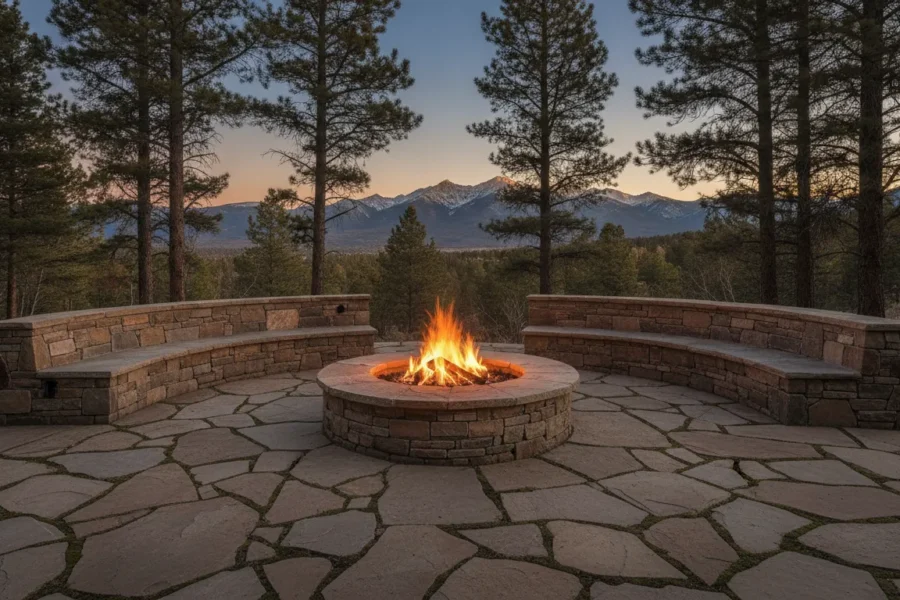
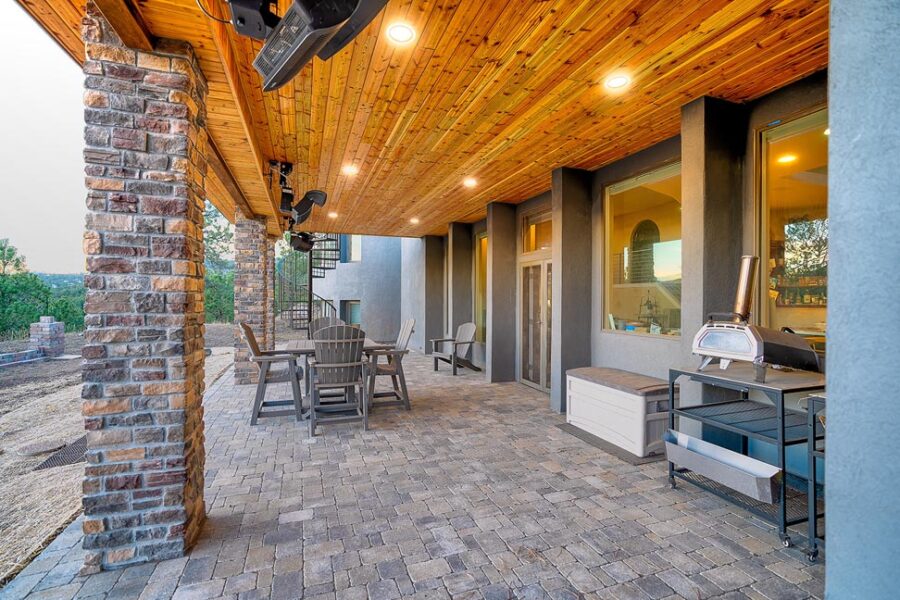
Some projects include concrete steps or a patio designed to connect with a deck, patio cover, pergola, outdoor kitchen, or fire pit. Planning these features together can help the finished space feel cohesive and function well. It also gives the project team a chance to coordinate elevations, access, and the placement of each feature before construction begins.
Share your plans for the entire outdoor area when requesting quotes, even if separate contractors will do the work. Ask who will take measurements, coordinate schedules, and confirm that connected features meet at the right heights and locations. Colorado Custom Covers & Decks creates custom outdoor living spaces, including decks and covered areas. Confirm whether concrete work is included in a proposed project or will be handled by another contractor.
Clarify who handles concrete work and other parts of a combined project
When a patio is part of a larger project, don’t assume one contractor is responsible for every task. Confirm who will manage the concrete work, coordinate subcontractors, handle permits and inspections, and share updates if the schedule or plan changes. If crews are working on a deck or cover at the same time, ask how they’ll coordinate access and the order of construction.
Request a written breakdown of each contractor’s responsibilities, along with the scope, materials, schedule, and payment terms. Find out who will oversee the work on site and whom you should contact with questions. If multiple companies are involved, agree on who will resolve conflicts between plans or schedules. American Paving’s guidance on reviewing estimates and contract terms is useful when responsibilities are shared across teams.
How Do You Find Reputable Concrete Patio Contractors Near You?
Choosing a contractor takes more than comparing photos or picking the first name in a search. Gather recommendations, verify business details, and ask how the contractor will address your property’s specific conditions. If your patio will connect to a deck, pergola, or covered area, also clarify who is responsible for each part of the work.
Ask neighbors and trusted local sources for referrals
Start with neighbors, friends, or local professionals who have recently hired a concrete contractor. Ask what the project involved, whether the crew followed the agreed schedule, and how the patio has held up. Find out whether the final price matched the estimate and how the contractor handled unexpected issues. A referral gives you a helpful starting point, but take time to check the contractor’s work and qualifications yourself. You can also ask contractors for references from customers whose projects were similar to yours. When you speak with those homeowners, ask what they would do differently if they were hiring again. This advice on questions to ask a concrete contractor can help you prepare.
Search review platforms and directories, then verify contractor details
Check several review platforms and look for patterns in what customers say about communication, scheduling, workmanship, and problem-solving. One negative review may describe an unusual situation, but repeated complaints about the same issue merit follow-up. Verify the contractor’s business name, contact details, service area, and any licenses required for the work in your location. Ask for current proof of liability insurance and workers’ compensation coverage, too. An online listing can be a useful source of information, but it should not replace direct verification. Read how the contractor responds to concerns and whether the response explains what was done to address them. This guide to common mistakes when hiring a concrete contractor offers more tips for reviewing feedback carefully.
Compare portfolios for similar project sizes, finishes, and site conditions
Ask to see completed patios that are close to your plans in size, layout, finish, and setting. A level backyard patio may require different preparation than one built on a slope or in a tight space with limited equipment access. Look for examples featuring the surface you want, such as a smooth, textured, or stamped finish. Ask what site preparation each project involved, including excavation, base work, drainage, and reinforcement. Photos give you a sense of the finished surface, while project details help show whether the contractor has handled similar challenges. If possible, request a reference for a comparable installation. Reviewing past work is one practical way to assess a contractor’s experience, as this advice on evaluating concrete contractor capabilities explains.
Look for experience with local slopes, soil, drainage, and freeze-thaw conditions
In Colorado’s foothills and Front Range, slopes, soil conditions, runoff, and freeze-thaw cycles can all affect patio planning. Ask how the contractor will evaluate your site, prepare the base, and direct water away from your home. Find out whether the design accounts for changes in elevation and how the proposed materials and installation methods suit the conditions on your property. A qualified contractor should explain the plan clearly and point out any site concerns before work begins. Be cautious of a one-size-fits-all recommendation that does not account for your yard. Local experience can help a contractor identify issues that may affect the patio’s performance. This overview of choosing an experienced concrete contractor explains why soil, drainage, and site conditions matter.
Confirm who handles permits, inspections, and subcontractors
Ask who will check permit requirements, submit applications, and schedule inspections. Rules vary by location and project, so confirm the process with the contractor and your local building department before work begins. If subcontractors will handle excavation, drainage, or other tasks, find out who supervises them and who will answer your questions. Put responsibilities, the project scope, schedule, and any allowances in writing. If the patio will connect to a deck or covered space, define where each contractor’s work begins and ends, including how the areas will meet. Colorado Custom Covers & Decks offers residential decking services for homeowners planning deck projects alongside outdoor features. Clear agreements help keep everyone aligned on coordination and responsibility.
What Should You Check in Contractor Reviews and Credentials?
Reviews can show you how a contractor treats customers, communicates during a project, and handles problems. Credentials help confirm that the contractor is prepared to do the work. Check both, and don’t rely on a star rating alone. Look for specific examples of completed patio projects, ask for references, and verify any licenses and insurance that apply to your location and project.
It’s also worth confirming exactly who will handle each part of the job. A concrete patio may be one piece of a larger outdoor renovation involving a deck, patio cover, or pergola. Ask who is responsible for permits, inspections, and subcontractors, and get those responsibilities in writing. If your plans include a deck, review the contractor’s residential decking services to understand how that part of the project may fit alongside the patio.
As you compare contractors, look for a consistent picture across reviews, references, and conversations. A pattern of clear communication and dependable workmanship is more useful than a handful of short, glowing comments. If something is unclear, ask for details before signing an agreement.
Verify applicable licenses, liability insurance, and workers’ compensation coverage
Ask which licenses are required for your project and verify them with the appropriate local or state agency. Requirements can vary by location and type of work, so check rather than assume. Request current proof of general liability insurance and workers’ compensation coverage, and confirm the policies will be active during construction. These coverages can help protect you if the project results in property damage or a job-site injury. Ask who is covered and whether subcontractors carry their own insurance. A qualified contractor should be willing to explain their coverage and provide documentation. This homeowner’s guide to hiring a concrete patio contractor also explains why confirming insurance and licensing matters.
Ask about relevant training or certifications and what they cover
Ask contractors whether they hold training or certifications related to the work, then find out what each one covers. A credential may focus on materials, installation methods, or quality standards, so check that it applies to your patio rather than assuming every certification means the same thing. Ask who earned it, whether it is current, and how the training informs the contractor’s recommendations for your site. Certifications can offer helpful context, but they don’t replace references, insurance checks, or a clear written estimate. Use them as one part of your overall assessment. These questions about contractor qualifications can help you get a more useful conversation started.
Request references and examples of similar patio projects
Ask for recent references from homeowners whose projects are similar to yours in size, finish, access, or site conditions. When you speak with them, ask whether the work matched the agreed scope, how the contractor handled unexpected issues, and whether they would hire the company again. Request photos of completed patios, but ask about the work behind the images, too. How did the crew prepare the site? Did they address drainage? If possible, view a completed project in person. A portfolio of concrete work can help you judge whether a contractor’s experience and finish quality align with what you want.
Look for specific feedback on workmanship, durability, communication, scheduling, and cleanup
The most useful reviews explain what happened, not just whether the customer was happy. Look for comments about the patio’s finish and how it has held up, as well as whether the crew arrived as planned and kept the homeowner informed about delays or changes. Feedback about protecting landscaping and cleaning up after construction can offer a fuller picture of the experience. A few detailed, consistent reviews are more helpful than many brief comments that say only “great job.” If reviews don’t provide enough detail, ask the contractor for examples and references. A contractor who can’t share photos, references, or local work should be ready to explain why, as this guide to contractor red flags points out.
Compare reviews across platforms and note responses to concerns
Check several review platforms to see whether the feedback tells a consistent story. Read positive and critical reviews, and pay attention to how the contractor responds to concerns. A respectful, specific reply can show that the company takes customer feedback seriously, while repeated unresolved complaints may be worth discussing before you hire. Consider the pattern rather than making a decision based on one review. When comparing estimates, make sure each contractor has included the same dimensions, materials, preparation, and cleanup. That gives you a fairer view of what each price covers. This advice on spotting contractor red flags also emphasizes comparing value and transparency, not price alone.
Scrutinize vague praise, repeated wording, and limited review histories
Short, positive reviews aren’t necessarily misleading, but they may not tell you much about the contractor’s work. Take a closer look if several reviews use nearly identical wording, include few project details, or appear within a short period. A limited review history alone doesn’t prove a contractor is unreliable. Treat it as a reason to ask for references, photos, and examples of completed patios. Look for concrete details about the customer’s experience, then compare those details with what the contractor tells you. One negative review can reflect a single difficult situation, while recurring complaints about the same issue deserve closer attention. This advice on evaluating contractor feedback offers a helpful perspective on spotting patterns.
What Affects Concrete Patio Costs and Quotes?
A concrete patio quote covers more than the concrete itself. Its price can reflect the patio’s size and shape, how easily crews can reach the site, and what needs to happen before they pour. On Colorado foothill properties, slopes, soil, drainage, and weather can add work that may not be obvious from photos or a rough description. A contractor’s site visit helps identify these conditions and explain how they affect the plan.
The finish and features you choose also matter. A simple broom finish, for example, requires different materials and labor than a stamped pattern or custom color. Steps, borders, demolition, permits, and cleanup may also be included or excluded. Ask for an itemized estimate that describes the work, materials, and responsibilities in clear terms. Then compare proposals with the same project details in mind, rather than choosing based only on the total. If the patio will connect to a deck or covered space, clarify how the work will be coordinated with the rest of your outdoor living project.
Consider size, layout, access, demolition, and site conditions
Square footage is only one factor in a patio estimate. A straightforward rectangle may take less forming and layout work than a curved design, several levels, or a patio shaped around existing features. Limited access can also affect how crews bring equipment and materials to the work area.
Ask whether the quote includes removing and disposing of an old patio, landscaping, or other obstacles. On a sloped lot, grading or additional work along the patio edges may be needed. Soil composition and drainage can influence the project plan, too. Ask the contractor to point out any site conditions they found and explain how those conditions affect the scope and price. Contractors familiar with local soil, drainage, and load requirements can identify potential challenges during planning, as this guide to choosing a concrete contractor explains.
Compare excavation, soil preparation, base work, drainage, and reinforcement
A patio’s foundation is mostly hidden after installation, but it plays an important role in how the surface performs. Check whether each estimate describes excavation, soil preparation, base material and depth, compaction, drainage, and reinforcement. These details should reflect your property and the intended use of the patio.
Don’t assume every preparation step is included just because a proposal says “patio installation.” Ask the contractor what your site needs and why. On a sloped Colorado property, ask how the plan will direct water away from your home and account for seasonal freeze-thaw conditions. If two bids differ, compare their installation methods as well as their prices. Skipping soil preparation or reinforcement to reduce the initial cost may create problems later. This checklist for hiring a concrete contractor also advises homeowners to review these steps carefully.
Account for concrete mix, thickness, finish, color, and decorative details
Ask each contractor to list the concrete mix and slab thickness in the estimate, and to explain how those choices suit your patio and property. The finish can also affect both cost and appearance. A standard broom finish differs from stamped concrete, exposed aggregate, or a colored surface in materials, labor, and installation steps.
If you want a pattern, border, texture, or custom color, describe it clearly and ask the contractor to include the specifications in writing. Photos of completed patios can help you assess whether the contractor has experience with the look you want. Ask how the surface may change with use and what maintenance it will need. Reviewing a contractor’s portfolio of completed concrete work can help you compare their experience with your plans.
Include steps, borders, permits, labor, cleanup, and connections to other features
A complete estimate should identify any steps, borders, edge details, and transitions to walkways or nearby structures. It should also state whether labor, material delivery, debris removal, and final cleanup are included. Ask whether permits or inspections apply to your project, and clarify who will handle them and any related fees.
If the patio will meet a deck, pergola, patio cover, or outdoor kitchen, confirm who is responsible for each part of the work. A concrete contractor may not build or install every feature in a larger outdoor project. Ask where each contractor’s scope begins and ends, and get those responsibilities in writing. Clear boundaries help prevent missing work, unexpected charges, and confusion about whom to contact if a connection or transition needs attention.
Compare quotes with matching dimensions, materials, and scope
Give each contractor the same project details so you can compare their estimates fairly. Share the patio’s dimensions and layout, your preferred finish and color, and any requests for steps, borders, demolition, or connections to existing features. Ask each contractor to list the materials and preparation work included in the proposal.
Then compare the estimates line by line. One contractor may include a thicker slab or more extensive base preparation, while another may have left those items out. The prices may look different, but the proposals do not describe the same job. Ask about anything that is missing or unclear, and request an updated estimate if needed. Concrete can be difficult and costly to correct once it has been poured, so make sure the proposed scope addresses drainage, access, and the finish you want before you sign.
Review exclusions, change-order costs, payment schedules, warranties, timelines, and weather contingencies
Read the agreement for exclusions such as permit fees, disposal, landscaping repairs, or extra site preparation. Ask how the contractor will price added work if unexpected conditions arise or you change the design. The written agreement should also explain the payment schedule, warranty coverage, and expected start and completion dates.
Confirm when payments are due and what each one covers. Ask what the warranty includes, how long coverage lasts, and how to report a concern. Weather can affect concrete work and scheduling, so ask how rain or cold temperatures may change the timeline and what steps the crew will take to protect the installation. Get any weather-related expectations in writing, too. Clear details about payments, warranties, and project timelines can help prevent misunderstandings once work begins.
Ask contractors to explain major price differences; don’t choose by the lowest bid alone
If one estimate is much higher or lower than the others, ask the contractor to explain why. A higher price may account for more site preparation, drainage work, reinforcement, or decorative details. A lower bid may exclude some of those items or specify different materials. You can assess the value of each proposal only after you understand what it covers.
Ask direct questions about unclear line items, and request a revised estimate if the scopes do not match. Notice whether the contractor can explain the plan in plain language and connect it to what they observed at your home. Price matters, but it should not be the only factor. Choose a proposal with a clear scope, materials suited to the project, and a realistic plan for completing the work.
What Should You Ask Before Hiring?
Before you hire a concrete patio contractor, ask how they’ll handle your specific property, what the estimate includes, and who will be responsible for the work. Clear answers can help you compare contractors fairly and catch gaps before construction begins. Get important details, including the scope, schedule, payment terms, and process for approving extra work, in writing.
If your patio will connect to a deck, pergola, or covered outdoor space, ask how the concrete work will fit with the rest of the project. Colorado Custom Covers & Decks designs and builds outdoor living spaces across the Front Range, so you can learn more about its residential decking services when planning how different features will work together.
How much experience do you have with patios and site conditions like mine?
Ask how many patio projects the contractor has completed and whether they’ve worked on properties with similar slopes, soil, drainage, and access. In Colorado’s foothills, uneven ground and freeze-thaw conditions can affect site preparation and long-term performance. Ask for photos and references from projects that resemble yours, rather than relying on a general portfolio.
A contractor should be able to explain how your site conditions affect the foundation and what preparation they recommend. Ask what they found challenging on similar projects and how they handled it. This guide to choosing an experienced concrete contractor explains why hands-on knowledge of soil, drainage, and load requirements matters. Look for specific answers that connect the contractor’s experience to your property.
What concrete mix and installation methods suit my property?
Ask the contractor to explain the concrete mix, patio thickness, reinforcement, base materials, and finish they recommend. The right choices depend on the site, how you plan to use the patio, and whether it will meet steps or other outdoor features. Ask how the crew will install control joints and whether color, texture, patterns, or borders are appropriate for your design.
Request examples of patios with a similar size, finish, or use, and ask what materials and methods went into them. A contractor should explain the reasoning behind their recommendations in plain language, rather than offering a one-size-fits-all plan. Reviewing examples of a contractor’s past work can help you assess whether their experience fits the look and function you want.
How will you prepare the site, manage drainage, and direct water away from my home?
Ask what site preparation includes, such as excavation, grading, soil compaction, base installation, and reinforcement. Have the contractor explain how the patio will slope to move water away from your home, and how the plan accounts for downspouts, existing drainage, and nearby landscaping. Standing water or runoff directed toward the house can create problems beyond the patio itself.
If the patio will meet a deck, cover, or pergola, ask how the surfaces and drainage will work together. Clarify whether drainage improvements are included in the estimate or would cost extra. Ask the contractor to document the preparation and drainage plan in the written scope, so you can review it before work starts. These steps for avoiding hiring mistakes include checking the estimate and asking questions before construction begins.
Who will manage the project and be on site during construction?
Find out who your main contact will be, who supervises the crew, and whether employees or subcontractors will handle each part of the job. Ask how often the project manager will be on site and how the contractor will share updates if the schedule or plan changes. You should also confirm who coordinates permits, inspections, deliveries, and cleanup.
Before signing, review the written estimate or contract for the work, materials, schedule, and payment terms. Make sure it explains how you’ll approve changes and who to contact with questions. If subcontractors will be involved, ask who is responsible for their work and how their schedules affect the project. Putting these responsibilities in writing gives both you and the contractor a shared reference, as this guidance on reviewing a concrete contractor’s agreement recommends.
How could weather or unexpected site conditions affect cost and schedule?
Ask how rain, cold temperatures, or other weather conditions could affect pouring, curing, and the project timeline. The contractor should describe what may cause a delay and how they’ll keep you informed. Also ask what happens if excavation reveals unsuitable soil, buried utilities, or drainage problems that weren’t visible during the estimate.
Find out whether the contractor will stop and get your approval before starting extra work, and how they’ll calculate any added cost. Compare estimates with the same dimensions, materials, and scope, rather than choosing the lowest price without checking what it leaves out. A transparent concrete quote should make the included work and possible cost changes easy to understand. Get the process for approving changes in writing before the crew begins.
What written warranty and care instructions will you provide?
Ask what the warranty covers, how long it lasts, and whether maintenance or other conditions affect coverage. Request the written terms, including how to report a concern and who will assess it. Ask when the patio can be walked on or used, how to clean it, and whether the surface should be sealed. Care recommendations can vary by finish and exposure, so ask for instructions specific to your installation.
Before you hire, request references and photos of completed patios, especially projects similar to yours. Ask past clients about communication, workmanship, scheduling, and how the contractor handled concerns after the job. If a contractor can’t provide examples or references, ask why. These questions about references and past work can help you assess the contractor’s experience and follow-through.
What Hiring Mistakes Should You Avoid?
Choosing a concrete patio contractor involves more than comparing a few prices. The estimate should explain how the crew will prepare your site, manage drainage, install the concrete, and finish the surface. Ask questions when details are missing, and make sure you understand who is responsible for each part of the work before signing.
This is especially important if your project connects a patio with other outdoor features. A deck, pergola, or patio cover may involve different materials and responsibilities. Clarify which contractor handles each feature, how the work will be coordinated, and who to contact with questions. If you’re planning to connect a patio to a deck, review the contractor’s residential decking services to understand how that part of the project may fit into your plans.
Don’t choose by price alone or rely on a verbal estimate
A low bid can be appealing, but it may leave out important work, such as excavation, grading, a stable base, drainage, or reinforcement. Ask contractors to explain what their prices cover and how their approach suits your property. The Pueblo Concrete guide to hiring a concrete contractor recommends checking that essential preparation is included, rather than judging a bid by its total alone.
Get the estimate in writing before work begins. It should describe the project, materials, expected costs, and any assumptions about access or site conditions. A verbal estimate can lead to misunderstandings if the contractor’s expectations differ from yours or plans change during construction.
Check credentials, insurance, references, and reviews
Ask which licenses apply to the work in your area, and request proof of liability insurance and workers’ compensation coverage. Confirm that the policies are current, and ask how coverage works if subcontractors join the project. Requirements vary by location, so verify the details instead of relying on a verbal assurance.
Request references from homeowners with similar patios. Ask about workmanship, scheduling, communication, and how the surface has held up. Read reviews across several platforms, looking for specific details that appear consistently. The homeowner’s guide to hiring concrete patio contractors also recommends checking credentials, insurance, and references before you commit.
Get the scope, materials, schedule, payment terms, and warranty in writing
Your contract should outline the patio’s dimensions, site preparation, concrete specifications, finish, drainage plan, and cleanup. It should also state who handles permits and inspections, if required. Confirm that it includes a projected schedule, payment milestones, warranty terms, and any work the contractor has excluded.
Read the agreement before signing, and ask for clarification if any wording seems unclear. Find out how weather or unexpected site conditions could affect the cost or timeline. The American Paving checklist for hiring a concrete contractor highlights the value of documenting the scope, materials, schedule, payments, and warranty so everyone shares the same expectations.
Address vague answers or poor communication early
Before hiring, notice how clearly the contractor responds to your questions. You should be able to get a straightforward explanation of how the crew will prepare the site, manage runoff, and protect nearby features. If you receive vague answers or have trouble getting a response about basic project details, ask for clarification before moving forward.
Also ask who your main contact will be and how you’ll receive updates. No contractor can predict every issue, but they should explain how they’ll communicate if plans change. Pete’s Concrete Masonry’s guide to contractor red flags notes that unclear communication is worth taking seriously from the start.
Agree in writing on added work, delays, and change orders
Site conditions can become clearer once excavation begins. If the contractor recommends extra work, such as additional digging or drainage improvements, ask for a written change order before approving it. It should explain what will change, why it’s needed, how much it will cost, and whether it affects the schedule.
Ask how the contractor will report delays caused by weather or unexpected site conditions, and how the revised timeline will be handled. Keep estimates, contracts, messages, and approved changes together so you can refer to them if questions come up. The American Paving guide also recommends documenting changes to the original agreement.
How Do You Maintain a Concrete Patio?
Routine care helps keep a concrete patio clean and makes it easier to notice changes early. Follow the instructions provided for your patio, since curing time and maintenance needs depend on the concrete, finish, weather, and site conditions.
Follow curing instructions and confirm when the patio is ready to use
Fresh concrete needs time to cure. Ask your contractor when it’s safe to walk on the patio, set out furniture, or place heavier items such as a grill. The timing can vary, so use the instructions for your project rather than relying on a general estimate.
Keep the surface clear while it cures, and avoid dragging furniture or equipment across it once it’s ready for use. If rain, temperature changes, or other conditions raise questions during the curing period, contact your contractor. Concrete can be difficult to repair after it’s poured, and proper installation and curing can help limit the risk of early problems.
Clean regularly and use deicing products cautiously
Sweep away leaves, dirt, and other debris regularly. For routine cleaning, use water and a mild cleaner approved for your concrete finish. Follow the product directions, and test it on a small, less visible area first. Avoid harsh chemicals or abrasive tools that could discolor or damage a decorative surface.
Take extra care in winter. Some deicing salts can harm concrete, particularly when it’s newer or already showing wear. Ask your contractor which products are suitable for your patio. For traction, sand may be an option; HomeAdvisor recommends sand instead of road salt. Clear snow carefully, too, and avoid hitting the surface with sharp metal tools.
Seal the surface as recommended for its finish and exposure
A sealer may help protect concrete from moisture, stains, and everyday wear. The right product and schedule depend on the patio’s finish and exposure. Colored or decorative concrete may need different care than a plain slab, so ask your contractor whether sealing is appropriate and how often to repeat it.
Before applying sealer, clean the surface and allow it to dry as directed by the product label. Sealing over dirt or moisture can affect the result. Don’t assume every patio needs the same product or schedule. HomeAdvisor’s patio guidance suggests sealing concrete every few years, but your contractor can recommend an approach for your surface and local conditions.
Watch for cracks, standing water, or drainage changes, and raise concerns early
Check the patio periodically for new or widening cracks, spots that stay wet, or water pooling near the house. Take a photo and note when you first noticed the change, so you can track whether it develops. A small crack doesn’t always signal a serious problem, but changes in the surface or drainage are worth discussing with your contractor.
After heavy rain or snowmelt, check that water flows away from your home rather than collecting near the foundation or patio edge. If you notice pooling, soil erosion, or a new runoff pattern, ask a qualified professional to assess it. Concrete contractor guidance notes that rushed work can lead to cracking, so report concerns promptly.
Check whether the contractor’s warranty covers repairs
Keep your estimate, contract, warranty, and care instructions together. Review what the warranty covers, how long it lasts, and how to report a concern. Coverage may have limits related to settlement, drainage, surface wear, or maintenance, so check the written terms instead of assuming a repair is included.
If you notice a potential issue, contact the contractor and share photos along with a brief description of when it appeared. Ask whether they recommend an inspection before you attempt a repair, and keep any response or repair agreement in writing. Reviewing the contract and estimate can help clarify the contractor’s responsibilities and the terms that apply to your project.
Coordinate patio care with nearby decks, pergolas, patio covers, and other outdoor features
Concrete patios often meet decks, pergolas, patio covers, steps, or outdoor kitchens. Check these connection points for gaps, pooling water, loose materials, or signs that runoff is moving toward your home. Keep nearby gutters and drains clear so water can flow away from the patio and other structures.
Before making repairs or adding a feature, explain how the patio connects to the rest of the outdoor space and where water flows across the site. A change to one area can affect drainage, access, or nearby surfaces. For connected projects, consider a contractor experienced in coordinating outdoor features. Colorado Custom Covers & Decks describes its residential decking and outdoor projects for homeowners planning a cohesive space.
Related Articles
- Avoiding Common Mistakes When Hiring a Concrete Contractor
- 5 Questions to Ask Your Concrete Contractor
- A Homeowner’s Guide to Hiring Concrete Patio Contractors
- The Importance of Choosing a Reputable Concrete Contractor
- 5 Red Flags to Avoid When Hiring a Concrete Contractor
Frequently Asked Questions
How many estimates should I get for a concrete patio?
Compare at least three written estimates when possible. Give each contractor the same dimensions, finish preferences, and project details, then check that the proposals include comparable site preparation, drainage, materials, and cleanup.
What should a concrete patio estimate include?
It should describe the patio’s size, concrete specifications, finish, excavation and base work, drainage plan, and any steps or decorative details. Check for permit fees, demolition, cleanup, schedule, payment terms, warranty, and exclusions, too.
How can I tell whether a concrete patio contractor is qualified?
Verify any required local licenses and request current proof of liability insurance and workers’ compensation coverage. Ask for references and examples of similar projects, then check reviews for specific feedback about workmanship, communication, and scheduling.
Can I build a concrete patio and deck as one project?
Yes, but the work may involve separate contractors. Before signing, confirm who handles the concrete, deck, permits, inspections, and coordination between crews. Colorado Custom Covers & Decks builds decks and outdoor living spaces, so homeowners can discuss how those features may connect with a patio.
What should I do if my new patio develops a crack or holds water?
Take photos, note when you first noticed the issue, and contact the contractor promptly. Check your written warranty and care instructions before attempting a repair, since coverage and recommended steps depend on the installation and surface.