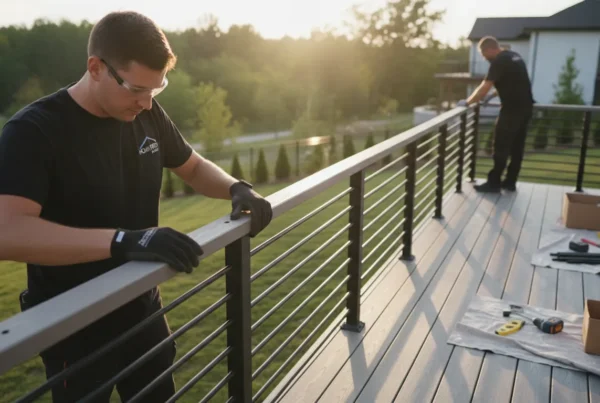
A deck replacement can solve structural problems, but it can also be a chance to make your outdoor space work better for everyday life. Wider stairs may improve access. New railings can change the look and feel of the deck. A cover or pergola might make the space more comfortable, while an outdoor kitchen or fire pit can support the way your household likes to gather. Start by assessing the deck’s condition and listing the features you want. Then look for a deck replacement contractor who can connect design choices with structural needs, materials, permits, and construction. These practical steps can help you plan a project that fits your property and priorities.
Key Takeaways
- Get safety concerns checked promptly: Rot across multiple areas, a shifting frame, or loose stairs can indicate structural trouble. Keep people off an unstable deck and arrange a professional assessment.
- Compare contractors using the same project details: Review written estimates for materials, demolition, structural work, permits, schedule, and exclusions. Verify insurance, references, and who will oversee the work.
- Choose materials and terms with care: Weigh upkeep, cost, warranties, and Colorado site conditions. Before signing, confirm the project scope, payment schedule, change process, and warranty coverage in writing.
Does Your Deck Need Replacement?
A deck can show cosmetic wear while its structure remains sound, but serious problems may also be hidden beneath the boards. Take a look at the full structure, including the surface, framing, stairs, railings, and the connection to your home. A few weathered boards may need a focused repair. Rot in several areas, visible movement, or damage that keeps returning may point to a larger problem.
Notice how the deck feels and whether its condition has changed. Does it slope, shift, or feel soft underfoot? Do stairs or railings move? These signs are reasons to arrange a professional assessment. If the deck seems unstable, keep people off it until it has been inspected. Deck safety guidance recommends professional inspection when a deck shifts or slopes, has rot in multiple places, or needs repeated repairs.
Replacement may also give you the chance to rethink how your outdoor space works. You might want wider stairs, new railings, or a covered area. A contractor can assess the existing structure and discuss options, including those offered through Colorado Custom Covers & Decks’ residential decking services. Your next step should depend on the deck’s condition, your priorities, and a close look at its framing.
Check for Rot, Cracked or Sagging Framing, Loose Connections, and Unsafe Railings
Look for soft or crumbly wood, cracked posts or beams, sagging joists, and boards that feel spongy underfoot. Check visible connections for rust, missing fasteners, or gaps where the deck meets the house. Take a careful look at the stairs and railings, too. If they appear loose or damaged, avoid putting weight on them and ask a professional to inspect them.
One damaged board does not necessarily mean you need a new deck. But rot in several areas, a shifting frame, or loose stairs and railings may signal broader concerns. Avoid testing the structure by leaning hard on a railing or walking across a section that feels unstable. Deck inspection guidance identifies shifting, sloping, widespread rot, and recurring repairs as reasons to seek professional advice.
Compare Targeted Repairs With the Safety and Value of Replacement
A repair may be a sensible choice when damage is limited to a few boards or a small section of railing and the underlying structure is sound. Ask the contractor to explain what caused the damage and whether the proposed work will address the source. That information helps you compare the repair cost with the deck’s overall condition.
Replacement may be worth considering when structural problems affect multiple areas, repairs keep recurring, or the layout no longer suits your needs. Look beyond the upfront price: factor in safety, expected maintenance, and how long the deck is likely to serve your household. If the deck moves or feels unstable, stop using it and arrange an assessment. A qualified contractor can review the framing and explain whether repair or replacement is the more appropriate option.
Factor in Colorado Weather, Elevation, and Foothill Conditions
Strong sun, dry air, snowmelt, and temperature swings can wear on decks along Colorado’s Front Range. South- and west-facing areas may fade and dry out faster, while shaded spots can hold moisture and develop soft areas or rot. In the foothills, a property’s slope, exposure, and access can also affect the deck’s condition and the work involved in replacing it.
As you inspect the deck, note where you see fading, cracking, or moisture damage, and whether the same wear appears in several places. Share those observations with a contractor familiar with local conditions. Denver-area deck safety guidance outlines how sun, snowmelt, and temperature changes can affect outdoor structures. Ask how your property’s exposure may influence material and design choices, so the replacement plan fits the site as well as your needs.
What to Look for in a Deck Replacement Contractor
A deck replacement involves more than installing new boards. Your contractor should assess the existing structure, explain the replacement plan, coordinate approvals, and make clear who will oversee the work. Ask direct questions and get the answers in writing so you can compare contractors on more than price.
Verify Licensing, Liability Insurance, and Workers’ Compensation
Ask what licenses or registrations apply to your project and location, then confirm requirements with your city or county. Local rules can vary, so a contractor should be prepared to explain which requirements apply and provide any relevant documentation.
Request current certificates of general liability insurance and workers’ compensation coverage. Liability insurance can help protect you if construction damages your property, while workers’ compensation generally covers employees who are injured on the job. Ask whether subcontractors are covered, too, and verify that policies remain active during your project. A contractor should be willing to provide proof and answer questions about coverage. If you’re comparing bids, request at least three written estimates with a defined scope, as recommended in this deck-builder hiring checklist.
Check Replacement Experience, References, and Recent Reviews
Replacing a deck requires a close look at the structure that’s already there. Ask how much experience the contractor has with replacement projects, including assessing existing framing, connections to the home, stairs, and railings. Ask for examples similar to yours in size, design, or site conditions.
Request references from recent customers and ask about communication, schedule, cleanup, and how the team handled unexpected issues. Read recent reviews on more than one platform, looking for patterns rather than relying on a single comment. Photos can show the finished result, while references can tell you what working with the contractor was like. This guide to evaluating a deck replacement contractor offers more questions to consider as you compare experience and references.
Ask About Credentials Like Deckorators Certification and NADRA Recognition
Credentials can help you understand a contractor’s product knowledge, training, or involvement in the decking industry. Ask what a certification involves, whether it is current, and how it informs the recommendations for your project. If you’re considering composite decking, for example, your contractor should be able to discuss the product’s installation requirements, compatible framing, fasteners, and care.
You can also ask about recognition from the North American Deck and Railing Association, or NADRA. Certifications and awards are useful context, but they don’t replace proof of insurance, references, or a detailed contract. Ask to see completed projects and discuss how design decisions, such as railing and post placement, affect your view and walkway. Colorado Custom Covers & Decks shares its company background and credentials for homeowners who want to learn more about its experience.
Confirm Experience With Local Permits, Inspections, Codes, and Engineered Plans
Ask who will determine which permits and inspections your project requires. Requirements can vary by location and project details, so the contractor should check with the appropriate building department instead of making assumptions. Find out whether permit fees are included in the estimate, who submits applications, and who schedules inspections.
For complex designs, challenging site conditions, or significant structural work, ask whether engineered plans are needed and who will arrange them. It’s also helpful to ask how framing and connections will be documented before they’re covered. A contractor should explain the approval process in plain language and put responsibilities in writing. Skipping required permits or using inadequate framing can lead to safety concerns and costly complications, as discussed in this overview of common deck-building mistakes.
Clarify Who Handles Design, Demolition, Construction, and Project Oversight
Get a clear picture of who is responsible for each stage, from design and material selection to demolition, disposal, construction, and inspections. Ask who your main contact will be, who oversees the crew on site, and whether subcontractors will handle any part of the work. The contractor should remain clear about who is accountable for the project as a whole.
Your written proposal should spell out what’s included and identify possible exclusions, such as repairs to framing discovered during demolition. Ask how the team will share schedule updates, approve changes, and price additional work before proceeding. A detailed scope makes it easier to compare estimates and gives everyone a shared reference if plans change. Colorado Custom Covers & Decks outlines its residential decking services, including a process that guides homeowners from design and planning through construction.
Compare Deck Replacement Materials
The best decking material for your replacement project depends on more than the look of the boards. Consider your upfront budget, the time you want to spend on upkeep, how the deck will be used, and how the material may perform in your specific setting. In Colorado, sun exposure, snow, moisture, and temperature swings are all worth discussing with your contractor.
Compare complete estimates rather than board prices alone. A quote should identify the product, installation details, and any related work, such as replacing stairs or railings. Ask for samples, care instructions, and warranty information before you choose. If you’re considering a larger outdoor living project, think about how the deck will connect with features such as a patio cover, pergola, or outdoor kitchen. A contractor experienced with residential decking in Colorado can help you match materials to your home, site conditions, and plans for the space.
It also helps to compare the trade-offs side by side: purchase and installation costs, cleaning and maintenance needs, surface characteristics, and warranty terms. No single material is the right fit for every home. A clear understanding of what each option requires can help you choose a deck you’ll feel good about living with for years.
Pressure-Treated Wood: Lower Cost, More Upkeep
Pressure-treated wood is often among the lower-cost decking options, so it may suit homeowners focused on keeping initial expenses down. The lumber is treated to help resist rot and insects, but it still needs regular care. Depending on the product and conditions, that can include cleaning and applying stain or sealant to help protect the boards from moisture and sun.
Wood can also crack, warp, or splinter over time. Ask your contractor what lumber grade they plan to use, what maintenance the manufacturer recommends, and how often you should inspect the deck. Include future staining and sealing in your budget, not only the installation cost. Pressure-treated wood has its own cost and maintenance considerations.
Cedar and Other Natural Woods: Distinctive Looks, Regular Maintenance
Cedar and redwood have natural grain and color that many homeowners appreciate. Their appearance can complement a range of home styles, and some people like the way the wood changes as it weathers. As with other natural decking, though, regular maintenance helps preserve its appearance and protect it from deterioration. Cleaning and periodic staining or sealing may be needed, depending on the wood, finish, and exposure.
Ask how the species you’re considering is likely to perform in your setting, especially if the deck receives strong sun or is exposed to snow and moisture. Find out how often refinishing may be needed and what that work could cost. Compare natural wood with other popular options so you can weigh its appearance against its care requirements.
Composite: More Design Options and Easier Care, Higher Upfront Cost
Composite decking is made from a blend of materials, including wood fibers and plastic. It comes in a range of colors and textures, including options designed to resemble natural wood. Many composite products need less maintenance than wood, and they typically don’t require routine staining or sealing. You’ll still need to clean the surface and follow the care instructions for the specific product.
Composite boards often cost more upfront than pressure-treated lumber. Compare the complete installation estimate and check the product warranty for coverage, exclusions, and maintenance requirements. Ask to see samples outside, where sunlight can affect how a color appears. Composite and PVC differ in how they look, feel, and handle heat. For a Colorado project, ask your contractor about the product’s installation guidance for changing temperatures.
PVC: Strong Moisture Resistance, With Cost and Appearance Trade-Offs
PVC decking is made from plastic, rather than a blend of wood fibers and plastic. It resists moisture and typically requires less upkeep than natural lumber, which may make it worth considering for areas where water exposure is a concern. Product details vary, so review the care instructions and installation requirements for the specific boards in your estimate.
PVC can cost more than wood or composite decking, and its appearance may not suit homeowners looking for a natural wood look. View samples and compare colors and textures with your home’s exterior before deciding. Ask the contractor how the material will work with your deck’s design, stairs, and railings. Wood, composite, and plastic decking differ in look, upkeep, and cost. Compare warranty terms alongside price and appearance so you understand what each product includes.
Compare Lifespan, Maintenance, Slip Resistance, and Material Warranties
Look beyond the initial price and appearance. Ask how long the proposed product is expected to last, what routine care it needs, and whether its surface is suitable for your household. Slip resistance can vary by product and finish, and conditions such as rain or snow may affect footing. Request product information and discuss how the material will perform on stairs and other high-traffic areas.
Read the manufacturer’s warranty before making a decision. Coverage, duration, exclusions, and maintenance requirements differ by product, and some warranties depend on following specific installation instructions. Travelers’ comparison of wood and composite decking covers factors such as lifespan, upkeep, and slip resistance. Ask your contractor to identify the exact product in the estimate and explain how its warranty applies to your project.
Compare Deck Replacement Estimates
A deck replacement estimate should make it clear what the contractor will do, which materials they’ll use, and what the price covers. Compare the details before you compare totals. Ask each contractor to price the same project scope and features so you can spot differences and follow up with specific questions.
Request Itemized Estimates With the Same Scope, Materials, and Assumptions
Ask each contractor for a written estimate based on the same deck dimensions, layout, features, and materials. If one quote includes composite decking and another assumes pressure-treated wood, their totals aren’t directly comparable. Share the same plans or project description with each contractor, and confirm whether stairs, railings, lighting, or a cover are included.
An itemized estimate lets you compare proposed work line by line. A contractor selection guide recommends reviewing the scope and materials across multiple quotes. If a contractor hasn’t assessed your deck or property, ask what assumptions they made and whether those could affect the final price.
Compare Demolition, Disposal, Labor, Structural Work, Stairs, Railings, and Permits
Check that each estimate explains how the contractor will remove and dispose of the existing deck. Then review the listed labor, structural work, stairs, railings, and permit or inspection costs. These items can affect the total, particularly when the site has limited access or the existing framing needs extensive work.
Ask whether the quote covers footings, posts, beams, and ledger connections, not only the visible deck boards. Confirm who will coordinate permits and inspections, since requirements vary by project and jurisdiction. Colorado Custom Covers & Decks outlines its residential decking services for homeowners planning a deck project. Use the estimate review to clarify responsibilities before construction starts.
Review Material Specs, Allowances, Exclusions, and Potential Extra Costs
Look for specific material details rather than broad descriptions such as “composite decking” or “wood railing.” The estimate should identify product lines, colors or finishes, board profiles, railing types, and other major components. If it includes an allowance, ask what that amount covers and how choosing a different product could change the price.
Review exclusions, too. A quote may not include lighting, landscaping repairs, painting, or repairs to structures near the deck. Ask how the contractor will address concealed damage found during demolition, and make sure you’ll approve extra work and its cost before it begins. Estimate comparison advice recommends comparing scope and materials before price. Clear specifications help you understand what each estimate includes.
Check Payment Terms, Change-Order Policies, and the Written Contract
Review the payment schedule, project milestones, and accepted payment methods before signing. Ask when each payment is due and which work or materials it covers. The contract should describe the project scope, materials, estimated schedule, responsibilities, and process for approving changes. Check that it matches the estimate, and get any promised updates in writing.
A change-order policy explains how the contractor will document and price work outside the original plan. Ask whether you’ll approve additional costs before the work proceeds and how schedule changes will be communicated. A contract checklist recommends putting the work description, materials, payment terms, and timing in a signed agreement. Take time to read the documents and ask about anything that isn’t clear.
Watch for Vague Pricing, Unclear Scope, Signing Pressure, or Large Upfront Payments
A short estimate without material details or a work breakdown leaves important questions unanswered. Ask for clarification if the quote doesn’t explain demolition, structural work, disposal, or permits. A lower price may reflect a smaller scope or different materials, and added costs may arise if key tasks aren’t included. Ask each contractor to explain how they arrived at the price before you compare bids.
You should also have time to review the contract without pressure to sign right away. Ask for a clear payment schedule, and confirm what each payment covers before paying. Check that the contractor has appropriate insurance and that the written agreement spells out the work and payment terms. A useful estimate gives you a clear basis for comparing contractors and knowing how the team will handle unexpected work.
Plan for Project Costs, Timing, and Warranties
A deck replacement involves more than choosing new boards. The estimate, schedule, and warranty terms all affect the project, so ask contractors to explain what happens from the first site visit through final inspection. A detailed proposal helps you compare bids fairly and understand how the contractor will handle unexpected repairs or changes.
In Colorado’s foothills, sloped terrain, limited backyard access, and local permit requirements can influence both cost and timing. Colorado Custom Covers & Decks guides homeowners through design, engineered plans, permits, and construction as part of its residential decking services. Ask each contractor to put the scope, schedule, and warranty details in writing before you sign.
Consider How Size, Design, Site Access, and Terrain Affect Cost
Deck size affects the amount of material and labor required, but design complexity also matters. A simple platform may take less work than a multi-level deck with custom stairs, detailed railings, or built-in features. Your material selection, demolition and disposal needs, and any repairs to the supporting structure can add to the estimate.
The property itself can influence labor, too. A steep lot may require taller supports or additional framing, while narrow access can make it harder to move materials and equipment. A deck cost breakdown identifies location, builder experience, and design complexity as factors behind labor costs. Use general price ranges only as a starting point. Ask contractors to explain their estimate, identify what it includes, and describe conditions that could change the final price.
Plan for Consultation, Site Assessment, Design, Material Selection, and Permits
A useful estimate begins with a discussion about your plans and a visit to the property. The contractor should inspect the existing deck, take measurements, and note the site’s access and terrain. You can then talk through design options, choose materials, and confirm which features belong in the project scope.
Ask whether the proposal includes design, engineered plans, permit applications, demolition, disposal, and inspections. If it uses material allowances, find out how those budget placeholders may change when you make your final selections. Compare the scope and materials in each bid before focusing on price. This guide to comparing deck estimates explains why a brief quote can leave costs unclear. Request an itemized proposal that shows what is included, what is excluded, and which costs may be billed separately.
Allow Time for Engineering, Demolition, Construction, Weather, and Inspections
The construction start date is only one part of the schedule. Design decisions, engineering, material orders, and permit reviews may all happen before work begins. During demolition, the crew may uncover damaged framing or other issues that need attention before building can continue.
Ask the contractor for estimated start and completion windows, plus key milestones for each stage. The project’s size, design, material availability, and site conditions can affect how long construction takes. Colorado weather may also cause delays, and required inspections can affect the sequence of work. Clarify who schedules inspections, how the contractor will notify you about delays, and how unexpected repairs could change the schedule or cost. Include the timeline and the process for approving changes in your written agreement. That gives both you and the contractor a shared plan to refer to as the project progresses.
Distinguish Manufacturer Material Warranties From Contractor Workmanship Warranties
A manufacturer’s warranty covers specific product issues under the manufacturer’s terms. It may apply to decking boards, railing components, or other materials. A contractor’s workmanship warranty is separate, and covers certain issues related to installation. The terms and coverage can differ, so ask for both in writing.
Before selecting a product, ask for its exact name and warranty documents. Coverage may depend on how the product is installed, maintained, and used. Review the product terms carefully, including the conditions that apply. Ask the contractor to explain the workmanship warranty, how long it lasts, and how to report a concern. Keep both warranties with your contract and product information. That way, you can check which party to contact if an issue arises and what steps to take.
Confirm Warranty Coverage, Duration, Exclusions, and Service Requests
Read warranty documents before construction begins. Check what each warranty covers, how long coverage lasts, and whether it transfers to a future owner. Look for exclusions involving fading, stains, normal wear, cleaning methods, or changes made after installation. Ask whether the warranty requires specific care or installation practices to remain valid.
It’s also helpful to know how to request service. Find out whether you should contact the contractor or manufacturer first, what information you’ll need, and who reviews a claim. Your signed contract should describe the work, materials, payment terms, and schedule. A contractor selection checklist emphasizes the importance of documenting these details. Save the contract, receipts, permit records, and warranty paperwork together. If the contractor makes a verbal promise about coverage, ask for written confirmation before work starts.
Is a Local Deck Replacement Contractor the Right Fit?
A local contractor can bring useful knowledge of the conditions around your home, but location alone doesn’t guarantee a good fit. Look for a team that understands your property, listens to how you plan to use the deck, and can explain how the replacement will move from assessment to construction. On a Front Range or foothills property, ask how the contractor will account for terrain, site access, weather, drainage, and the connection between the deck and your house.
Compare contractors on the details of the work, not just the estimate total. Review the proposed design, materials, project scope, schedule, and who will oversee the work. Ask for recent references or examples of similar projects, and make sure you understand what is included before signing. It’s also worth requesting more than one estimate. A guide to choosing a replacement contractor recommends reviewing material quality alongside quotes, so you can compare the value of each proposal.
A good contractor should make it easier to understand your options and make informed choices. Use the questions below to assess whether a local deck replacement contractor fits your home, priorities, and budget.
Match Materials, Design, and Services to Your Property and Budget
Start by considering how you’ll use your deck and how much upkeep you’re comfortable with. Composite decking can be a practical option if you want to spend less time on routine maintenance. Natural wood may suit your style if you’re prepared to care for it regularly. Ask contractors to explain the differences in appearance, maintenance, warranties, and cost, and how each material will work with your home and site.
Next, confirm that the contractor can handle the scope you have in mind. You may need a straightforward deck replacement, or you may want to add stairs, new railings, a cover, or other outdoor living features. Ask what’s included in the estimate and what would cost extra. A deck estimate comparison guide recommends comparing scope and materials before price. That approach helps you judge whether each proposal reflects the design and services you actually want.
Look for Clear Communication, a Realistic Schedule, and Defined Oversight
Ask who your main contact will be and how often you can expect updates. The contractor should explain the project stages, which may include a site assessment, design, permits, demolition, construction, and inspections. Request a schedule that reflects the work involved, and ask what could affect it, such as weather, material availability, site conditions, or approvals.
Before signing, confirm who will oversee the work and how the team will handle questions or changes. Read the written estimate and contract carefully. They should describe the project scope, materials, payment terms, and change-order process. If a detail is unclear, ask for it in writing rather than relying on a verbal explanation. Comparing estimates by scope and materials, as advised in a contractor comparison guide, can help reveal differences that a bottom-line price won’t show.
Consider Local Front Range Experience and a Design-to-Build Process
Ask how the contractor approaches conditions common to your part of Colorado, including elevation, changing weather, drainage, access, and uneven terrain. A contractor’s experience with projects in nearby communities can offer helpful context, but ask for specific examples rather than relying on a general claim of local expertise. Recent project photos and references can help you understand the quality and type of work they’ve completed.
Also find out how the contractor connects design with construction. A design-to-build process can bring the layout, material selections, engineered plans, permits, and building work together. Ask which steps the contractor manages and when you’ll need to make decisions. Understanding the process early helps you see how design choices affect the project scope and timeline. Colorado Custom Covers & Decks outlines its residential decking services for homeowners planning deck projects across the Front Range and foothills.
Review Colorado Custom Covers & Decks’ Credentials and Replacement Services
If you’re considering Colorado Custom Covers & Decks, compare its experience and services with what your project requires. Based in Morrison, the company serves homeowners in Evergreen, Conifer, Genesee, Golden, Littleton, Lakewood, and nearby foothill communities. Since 2016, the team has completed more than 400 projects across Colorado’s Front Range, including deck replacements and custom outdoor living spaces.
The company is a Deckorators Certified Elite contractor and has received recognition from NADRA. Its project process includes 3D design, engineered plans, permitting, and construction. Ask how those services would apply to your property, what the estimate includes, and who will manage each stage of the work. You can review the team’s background on the Colorado Custom Covers & Decks About Us page, then request a site assessment and detailed estimate to evaluate whether the company is the right fit.
Related Articles
- How to Choose the Right Deck Replacement Contractor
- 5 Mistakes Homeowners Make When Hiring a Deck Builder
- Best Deck Material Options
- PVC vs. Composite Decking: Differences and Which to Choose
- The 7 Biggest Decking Mistakes Homeowners Make and How to Avoid Them
Frequently Asked Questions
How can I tell whether my deck needs repairs or full replacement?
If damage is limited to a few boards and the frame is in good condition, a targeted repair may be enough. Widespread rot, sagging supports, movement, or repairs that keep recurring call for a professional assessment. Stop using the deck if it feels unstable.
Which decking material works best for Colorado homes?
The right choice depends on your budget, preferred appearance, maintenance expectations, and the deck’s exposure to sun and moisture. Compare wood, composite, and PVC samples, and ask your contractor about installation requirements and warranty terms for each product.
What should a deck replacement estimate include?
Look for a written, itemized scope that identifies materials, demolition and disposal, structural work, stairs, railings, permits, and inspections. Check allowances and exclusions, too, and ask how concealed damage or other changes will be priced and approved.
Do I need a permit to replace my deck in Colorado?
Permit and inspection requirements depend on your location and the details of the project. Ask your contractor to confirm requirements with the relevant building department and clarify who will submit applications, pay fees, and schedule inspections.
What warranties should I review before hiring a deck contractor?
Check the manufacturer’s warranty for the decking and other products, then review the contractor’s workmanship warranty separately. Confirm what each covers, how long coverage lasts, what exclusions apply, and how to request service.