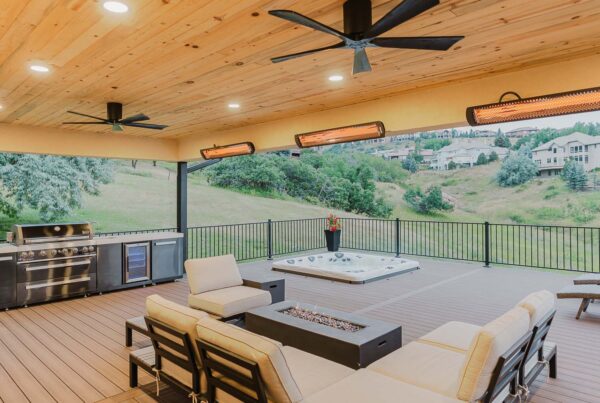
A deck or patio can be a favorite place to unwind, but Colorado’s strong sun and changing weather may leave you wishing for more shade. A patio cover and a pergola can both define an outdoor living area, yet they offer different levels of shelter, light, and weather protection. When weighing patio cover vs pergola, start with how you want to use the space. Do you want a dependable roof over an outdoor dining area, or filtered sunlight and an open view of the sky? Your home’s layout, deck structure, and exposure to wind and snow matter, too. Here’s how to compare the options and choose a design that fits your home.
Key Takeaways
- Match the structure to how you’ll use the space: A patio cover offers more shelter, while a pergola lets in filtered sunlight and airflow.
- Plan for your home and local conditions: Check snow and wind requirements, drainage, permits, and whether your deck can support the added structure.
- Look beyond the upfront price: Compare materials, design and installation costs, added features, and ongoing maintenance before choosing.
Patio Cover or Pergola: What’s the Difference?
A patio cover and a pergola both add shade and structure to an outdoor space, but they differ in roof coverage, attachment, and materials. A patio cover usually has a solid or partially solid roof for more shelter. A pergola typically has an open roof that filters sunlight and keeps the space feeling airy.
Think about how you want to use the area before choosing. If you picture outdoor meals under consistent shade, a covered structure may suit you. If you want filtered light and a view of the sky, a pergola could be a better fit. In Colorado, your design should also account for snow, wind, and sun exposure. A contractor can help you weigh those conditions against your home’s layout and plans for the space. Browse residential decking and outdoor living options for ideas.
Choose Solid, Slatted, Retractable, or Louvered Roofs
A solid roof provides dependable shade and more protection from rain and snow than an open pergola roof. It can work well over a dining area or outdoor kitchen, especially if you plan to use the space often. Slatted roofs let some sunlight and airflow through, creating partial shade. As a pergola overview explains, this open design offers less shelter from rain than a patio cover.
Retractable panels and adjustable louvers give you more control over sun and airflow. They can open or close as conditions change, but they also add design and installation considerations. Ask how the chosen roof will manage drainage and whether it’s designed for the wind and snow conditions at your property.
Choose Attached or Freestanding Structures
Many patio covers attach to the home, extending shade over a nearby deck or patio. That can make it easy to move between indoor and outdoor dining areas. Pergolas can be attached to a home or built as freestanding structures, depending on the design. Since terminology can vary, ask your contractor how the structure will be supported and connected.
Attached designs need a suitable connection to the home. Freestanding structures rely on their own posts and supports. In either case, the design should account for the existing deck or patio, ground conditions, and local weather. If you’re planning to shelter furniture or an outdoor kitchen, this patio cover and pergola comparison can help you consider how roof coverage affects the space.
Compare Wood, Composite, Aluminum, and Other Materials
Wood offers a natural look and can be stained or painted to complement your home. Cedar, redwood, and pressure-treated pine are common choices, but they differ in cost and maintenance needs. This Cedar and redwood are two of the wood options homeowners compare most often.
Aluminum is valued for durability and resistance to rot, and it typically needs less routine upkeep than wood, though the initial cost may be higher. Those are the main trade-offs. Composite materials may coordinate well with a composite deck, but make sure any product you consider is designed for its intended structural use. Ask your contractor to compare appearance, maintenance, and performance in your home’s setting before deciding.
How Do Shade and Weather Protection Compare?
The roof is the main difference between a patio cover and a pergola. A patio cover typically offers more consistent shelter, while a pergola filters sunlight and keeps the space open to the sky. In Colorado, consider how you want to use the area as well as the sun, wind, snow, and hail it may face. The right design depends on your priorities and the conditions at your home.
Get Full Shade and Shelter From Rain, Snow, and Hail
A solid or semi-solid patio cover blocks more direct sun and provides better protection from rain and snow than an open-slat pergola. That can make the space more comfortable in bright weather and help protect furniture from the elements. The roof design makes a major difference in how much shelter a structure provides.
Protection depends on the roofing material, construction, and site-specific design. Hail resistance varies, so ask your contractor about the materials and their performance. If you want a sheltered area for dining or relaxing, explore covered deck options designed for your home and outdoor space.
Enjoy Filtered Shade, Airflow, and Views
A pergola’s open or slatted roof softens direct sunlight instead of blocking it completely. You’ll get changing patterns of shade, more airflow, and an open view of the sky. This can suit a seating or dining area where you want some relief from the sun without a fully covered feel. A pergola’s open roof creates a different balance of light and shade than a solid patio cover.
The trade-off is less protection from rain, snow, and hail. Some pergolas can be fitted with retractable canopies or adjustable louvers, though the amount of shelter depends on the design. Consider when you’ll use the space most: if you prefer fresh air and filtered sunlight, a pergola may fit. For more dependable cover, a patio cover may be a better choice.
Plan for Roof Drainage, Wind, and Snow Loads
A roof needs to do more than provide shade. Its design should account for rain and melting snow, including where runoff will go, and for the wind and snow loads expected at your property. Conditions can vary across Colorado’s foothills, so ask how the structure will be engineered for your specific site. Don’t assume a roof can handle heavy snow or strong gusts without checking its specifications.
Before building, discuss how the structure will connect to your home or deck and whether the existing deck can support the added weight. Material choice matters, too. For instance, aluminum can resist rust and rot, but the whole structure still needs proper design and installation. A local contractor can assess the site and help plan a cover or pergola suited to your home.
What Are Patio Covers and Pergolas Best For?
Both structures can make an outdoor area more inviting, but they serve different needs. A patio cover offers more shelter, while a pergola creates a defined space with an open, airy feel. Consider how you plan to use your yard, what you want protected, and how much sun and weather you want to let in.
Create Spaces for Dining, Lounging, and Outdoor Kitchens
A patio cover can make an outdoor dining or lounge area more comfortable by providing shade and shelter from changing weather. It’s also a practical option for an outdoor kitchen, where overhead protection can help make cooking and dining outside more enjoyable. Plan the structure around the kitchen layout, including the placement of appliances and any manufacturer requirements for clearance and ventilation.
A pergola can define a dining or seating area while keeping it open to the sky. Its slatted roof filters sunlight, but doesn’t provide the same coverage as a solid roof. If you’re planning a deck alongside your covered space, explore residential decking options to see how the elements can work together.
Define Seating Areas, Highlight Gardens, and Grow Climbing Plants
A pergola can give your yard structure without closing it off. Use one to mark a seating area, frame a garden view, or create a transition between your home and the rest of the yard. The open roof allows airflow and filtered sunlight, making a pergola a good fit when you want shade but still enjoy an outdoor, open-sky feel.
You can also add climbing plants or lighting to make the space feel more personal. Keep in mind that slats provide little protection from rain, so a pergola is best for creating a comfortable gathering spot rather than a fully sheltered area. If an open look, room for plants, and a lower initial cost are priorities, see a comparison of pergolas and patio covers.
Protect Furniture, Appliances, and Decking
If you want to shield outdoor furniture, kitchen appliances, or decking from the elements, a patio cover generally offers more protection than a typical pergola. Its roof can block direct sun and help keep rain and snow off the space below. That can reduce exposure to weather, though outdoor items and surfaces still need regular care.
The cover’s material also affects its upkeep. Aluminum, for example, resists rust and rot and typically needs little maintenance. In Colorado, have the design account for local snow and wind conditions, along with drainage. A pergola can provide partial shade, but its open roof leaves furniture and decking more exposed to rain and snow.
What Are the Pros and Cons of Each?
A patio cover offers more shelter, while a pergola keeps the space open and lets in filtered sunlight. Consider how you’ll use your outdoor area, how much upkeep you’re comfortable with, and which features matter most in Colorado’s changing weather.
Weigh Patio Cover Benefits and Trade-Offs
A patio cover’s solid or semi-solid roof provides dependable shade and more protection from rain and snow than an open pergola. It can also shade nearby windows, which may help reduce heat entering your home. If you plan to dine outside often or want to protect furniture from direct sun and precipitation, that coverage can make your patio more comfortable and useful.
A roof may also make the space feel darker or more enclosed, depending on its size and placement. Material matters, too: aluminum typically needs little upkeep, while wood offers a natural look but may need periodic staining or sealing. In Colorado, the structure should be designed for local snow and wind conditions. Explore residential decking and outdoor structures to see how a cover can fit into a larger outdoor-living plan.
Weigh Pergola Benefits and Trade-Offs
A pergola defines an outdoor room without closing it off. Its slatted roof filters sunlight, creating partial shade while preserving an open view of the sky. It can frame a dining area, seating nook, or garden, and climbing plants can add shade and greenery over time.
The main trade-off is limited weather protection. An open roof won’t keep out much rain or snow, so you may need to cover or store cushions and other furnishings. Wood is a popular pergola material for its warm appearance, but it may require repainting or restaining every few years to help protect it from pests and rot. As a pergola overview explains, pergolas provide partial shade, while patio covers offer stronger shelter from the elements.
Add Lighting, Fans, Screens, or Adjustable Shade
Both structures can be designed around the way you spend time outside. Lighting makes evening meals and gatherings more comfortable, while a fan can help move air on warm days. Screens can add privacy and help keep insects out. Plan these features early so your builder can account for wiring, mounting points, and other installation needs.
For more control over sun and shade, consider a retractable canopy or adjustable louvers. Some motorized louvered systems close to provide a more weather-resistant roof, combining a pergola’s open feel with added coverage. These features can add cost and require care, so weigh their convenience against your budget and maintenance preferences. A comparison of pergolas and patio covers describes how adjustable roofs can offer this flexibility.
How Much Does a Patio Cover or Pergola Cost?
The price of a patio cover or pergola depends on its size, materials, roof style, and installation requirements. Site conditions matter, too: a sloped yard, an existing deck, or limited access can affect the work involved. Published price ranges can help you start planning, but a project estimate should reflect your home and the structure you want.
Compare Size, Materials, Roof Style, and Features
As a general reference, a basic aluminum or vinyl pergola may cost $1,000 to $2,500, while a custom wood or louvered pergola may range from $3,500 to $12,000. A solid aluminum patio cover may cost $2,000 to $3,500; insulated-panel or wood covers may range from $4,000 to $13,000, according to a patio cover cost comparison. These figures are broad examples, not quotes for a Colorado project.
A larger structure typically needs more materials and support. Features such as adjustable louvers, lighting, fans, or screens can add to the total. When comparing estimates, check that each one lists the dimensions, materials, roof style, and included features. If your plans also involve a deck, explore the residential decking services available from Colorado Custom Covers & Decks.
Budget for Design, Engineering, Permits, and Installation
A complete estimate may include design, engineered plans, permits, site preparation, footings, and installation. Ask what’s included, and whether permit fees or additional site work could change the price. Sloped ground, access challenges, or connections to an existing deck can affect the project scope. In Colorado, it’s also important to ask how the plans will address local snow and wind requirements.
Installation time depends on the design and site. As a general guide, one contractor estimates one to three days for a pergola and three to seven days for a patio cover. Your project may take a different amount of time, particularly if the structure is custom or requires more extensive preparation. A pergola installation overview provides a useful reference, but ask your contractor for a schedule based on your plans.
Consider Upkeep and Long-Term Value
The initial price is only part of the cost. Wood pergolas may need regular staining or sealing to protect them from the elements. Metal patio covers are often simpler to maintain, and aluminum resists rust and rot, helping it retain its appearance with less routine care.
Consider how you’ll use the space and what you want to protect. A solid cover can shelter a dining area or outdoor kitchen, while a pergola provides filtered shade and an open-air feel. If you plan to keep furniture or appliances outside, factor in how much weather protection they need. The right choice balances the upfront cost with maintenance needs, local conditions, and the features that will make the space useful for your household.
How Do You Choose the Right Option for a Colorado Home?
Start with how you want to use your outdoor space, then consider your home’s style, the site’s exposure, and the structure’s requirements. Colorado weather and property conditions vary, so a design that works well in one yard may not suit another. A qualified contractor can help assess the site and plan a patio cover or pergola around your priorities.
Plan for Sun, Wind, Snow, Hail, and Seasonal Use
Consider how much afternoon sun, wind, snow, and hail your deck or patio receives. A solid patio cover provides more consistent shade and shelter, while an open pergola offers filtered shade and airflow but less protection from rain and snow. Adjustable louvers or retractable roofs may give you more control, depending on the product and its engineering.
Ask how the design will handle the conditions at your property, including snow loads and wind exposure. Material choice also affects upkeep: aluminum covers can offer durability with relatively little maintenance, while wood may need periodic staining or sealing. Think about when you’ll use the space, too. If you want to enjoy it in more seasons, a solid roof or added features such as screens may be worth considering.
Match Your Yard, Home, and Intended Use
Choose a structure that fits your home’s architecture and the scale of your yard. A pergola’s open beams can complement traditional styles and garden settings, while a simple roofline may feel more at home with contemporary architecture. Consider the view from inside, how the structure connects to the house, and whether its posts will interrupt walkways or usable deck space.
Next, picture the activities you want to make room for. A covered area can suit outdoor dining or a kitchen, while a pergola can define a lounge or seating area without blocking as much light. Allow space for furniture, circulation, and features such as a grill or fire pit. Explore residential decking projects for ideas on coordinating a cover or pergola with a larger outdoor living space.
Check Deck Capacity, Structural Support, Drainage, and Permits
A roof or pergola adds weight and can catch wind, so don’t assume an existing deck can support it. Have a contractor assess the framing, footings, attachment points, and overall condition. The design may call for reinforcement or deck replacement, especially if the current structure wasn’t built to carry the added load.
Plan how water will move, too. A solid roof may need gutters and downspouts to direct rain and melting snow away from the home, deck, and walkways. Post placement and roof design can affect drainage and access. Permit and inspection requirements vary by location and project, so confirm them before work begins. Colorado Custom Covers & Decks can guide homeowners through design, engineering, permitting, and construction, helping ensure the plan accounts for the home and site.
How Do You Maintain Patio Covers and Pergolas?
Regular seasonal care helps a patio cover or pergola stay attractive and function as intended. Your routine will depend on its materials and roof style. In Colorado, inspect the structure in spring and fall, and take a closer look after heavy snow, hail, or strong winds.
Clean and Care for Each Material
Start by clearing away leaves and debris, then wash the structure with mild soap, water, and a soft cloth or brush. Check the manufacturer’s care instructions before using a pressure washer or specialty cleaner, as the wrong method can damage the surface.
Wood typically needs more upkeep than aluminum or composite materials. Look for peeling paint, fading stain, soft spots, or signs of pests and rot. Repainting or restaining every few years can help protect the wood, though the right interval depends on its exposure and finish. That is why wood structures need periodic refinishing. Aluminum and vinyl or composite covers usually need only routine cleaning, along with checks for scratches and loose trim. For connected deck surfaces, follow the care recommendations for residential decking.
Inspect Roofs, Fasteners, and Drainage Each Season
At the start of spring and fall, check roof panels, louvers, and slats for cracks, movement, or other damage. Look at bolts, brackets, and posts for looseness, rust, or signs that the structure has shifted. Follow the manufacturer’s instructions for minor repairs, and contact a qualified contractor if you notice a structural concern.
Clear gutters and downspouts so water can flow away from the structure and your home’s foundation. After snow or hail, check for dents, leaks, sagging, and debris buildup. Don’t climb onto a roof unless it’s designed for access and you can do so safely. Even low-maintenance materials need regular attention.
Can You Combine a Patio Cover and Pergola?
Yes. Combining a patio cover and pergola can give you both reliable shelter and filtered shade in one outdoor living space. For example, a solid roof might cover a dining area beside the house, while an open pergola defines a lounge space nearby. The right layout depends on how you use your yard, the structure of your deck or patio, and the weather each area needs to handle.
Combine Shelter and Filtered Shade
A hybrid design can use a solid-roof patio cover over the areas where you want dependable protection, then transition to a pergola for softer shade and more airflow. You can also consider a retractable canopy or adjustable louvers that open to let in sunlight and close when you want more coverage. Some designs combine solid and open roof sections, offering different levels of shelter within the same footprint. Explore hybrid roof options to see how these features can shape the space.
For a Colorado home, plan for snow, wind, and drainage from the start. Roof style affects how the structure handles local conditions, so an open appearance should not be mistaken for a lightweight or simple installation. A qualified contractor can help assess the site and design a structure that suits your intended use.
Coordinate Materials, Structure, and Outdoor-Living Features
A coordinated design helps the cover and pergola feel like parts of one outdoor space. Choose finishes that complement your home, deck, and landscaping, then plan where posts will sit and how each structure will attach or stand independently. If you’re adding either structure to an existing deck, have its capacity and support checked before construction. Colorado Custom Covers & Decks can guide homeowners through residential deck design and construction.
Plan amenities at the same time as the roof. Lighting, fans, screens, an outdoor kitchen, or a fire pit can affect placement, wiring, clearances, and ventilation. Material choice also shapes upkeep: low-maintenance patio cover materials may suit homeowners looking to reduce routine care, while wood typically needs more regular attention. Coordinating these decisions early helps create a comfortable space that works as a whole.
Frequently Asked Questions
Is a patio cover or pergola better for Colorado weather?
It depends on the shelter you want and your property’s exposure. A patio cover generally offers more protection from sun and precipitation, while a pergola provides partial shade and an open-air feel. Have the design checked for local wind and snow conditions before choosing.
Can I add a patio cover or pergola to my existing deck?
Possibly, but the deck needs an assessment first. A roof or pergola adds weight and can catch wind, so a contractor should check the framing, footings, and attachment points. Reinforcement or deck replacement may be needed.
Which option is easier to maintain?
Maintenance depends more on the material than the structure. Aluminum typically needs routine cleaning, while wood may need periodic staining or sealing. Check the manufacturer’s care instructions for the specific product you choose.
Do patio covers and pergolas require permits in Colorado?
Permit requirements vary by location and project details. Check with your local building department before construction, and ask your contractor whether permits, engineered plans, and inspections are included in the project process.
Can a patio cover or pergola be designed around an outdoor kitchen?
Yes. Plan the structure alongside the kitchen so the layout accounts for appliances, ventilation, clearances, lighting, and utility connections. A covered area can provide more shelter, while a pergola offers filtered shade and airflow.