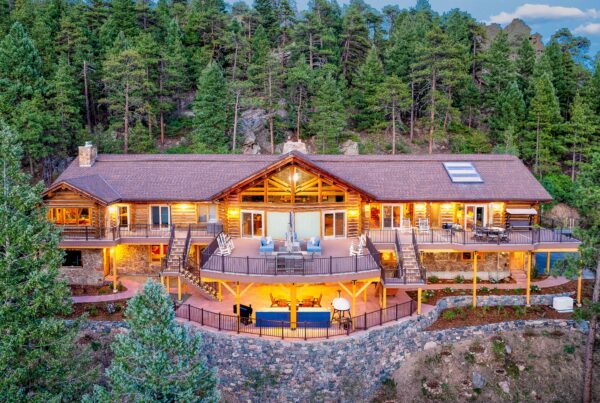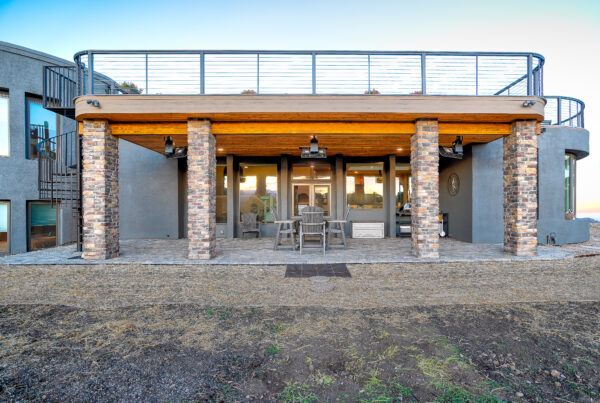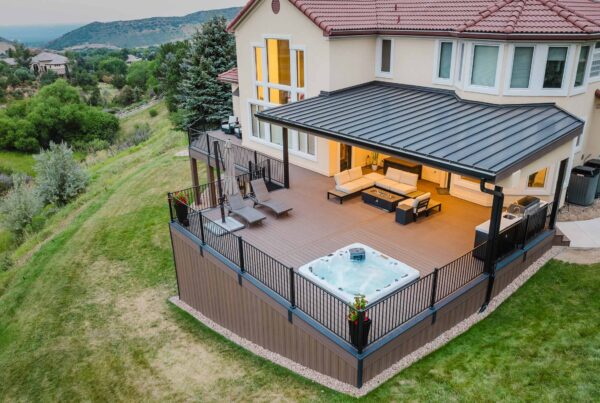
Many homes in Jefferson County, Evergreen, Conifer, Morrison, and surrounding Colorado foothill communities are located in designated wildfire hazard areas. While these locations offer beautiful views and privacy, they also require special consideration when it comes to deck construction.
Building a deck in a wildfire hazard area involves more than standard design and installation. Local regulations, material selection, spacing, and construction methods all play a critical role in ensuring safety, compliance, and long-term performance.
Why Wildfire Regulations Matter for Deck Construction
Decks are often one of the largest exterior features of a home and can significantly impact wildfire behavior. Improperly designed decks may:
- Trap embers beneath the structure
- Use combustible materials near the home
- Increase the risk of fire spread
Because of this, many foothill communities enforce Wildland-Urban Interface (WUI) requirements that apply specifically to decks and exterior structures.
Common Deck Requirements in Wildfire Hazard Areas
While requirements vary by jurisdiction, decks in wildfire-prone areas often must meet additional standards related to:
Approved Materials
Some areas restrict or limit the use of certain combustible materials. Depending on location, requirements may include:
- Fire-resistant or ignition-resistant decking materials
- Specific framing or surface material approvals
- Reduced use of exposed wood near the home
Material selection should always be reviewed against local regulations.
Deck Design and Spacing
Wildfire regulations may influence:
- Spacing between deck boards
- Clearance between the deck and grade
- Enclosure or screening of the area beneath the deck
These measures are designed to prevent ember accumulation and reduce ignition risk.
Construction Methods and Detailing
Proper detailing is essential in wildfire zones. This may include:
- Closing off vulnerable openings
- Using approved fasteners and connectors
- Integrating the deck safely with the home’s exterior
Attention to detail helps ensure compliance and long-term safety.
Additional Foothill Considerations Beyond Wildfire Risk
In addition to wildfire requirements, decks in foothill communities must also account for:
- Snow load engineering
- Freeze-thaw cycles
- Sloped or uneven terrain
- Wind exposure and weather extremes
Permitted construction ensures that all of these factors are addressed together, not in isolation.
Permits, Inspections, and Compliance
Most decks built in wildfire hazard areas require:
- Detailed plans
- Permit approval
- Inspections during construction
Permits confirm that the deck meets both wildfire mitigation standards and structural safety requirements. Skipping this step can result in costly corrections or liability issues later.
Why Experience Matters in Wildfire Zones
Deck construction in wildfire-prone areas requires:
- Knowledge of local WUI regulations
- Experience with foothill permitting processes
- Understanding of material performance in extreme conditions
Working with a contractor who understands these requirements helps homeowners avoid delays, failed inspections, and future safety concerns.
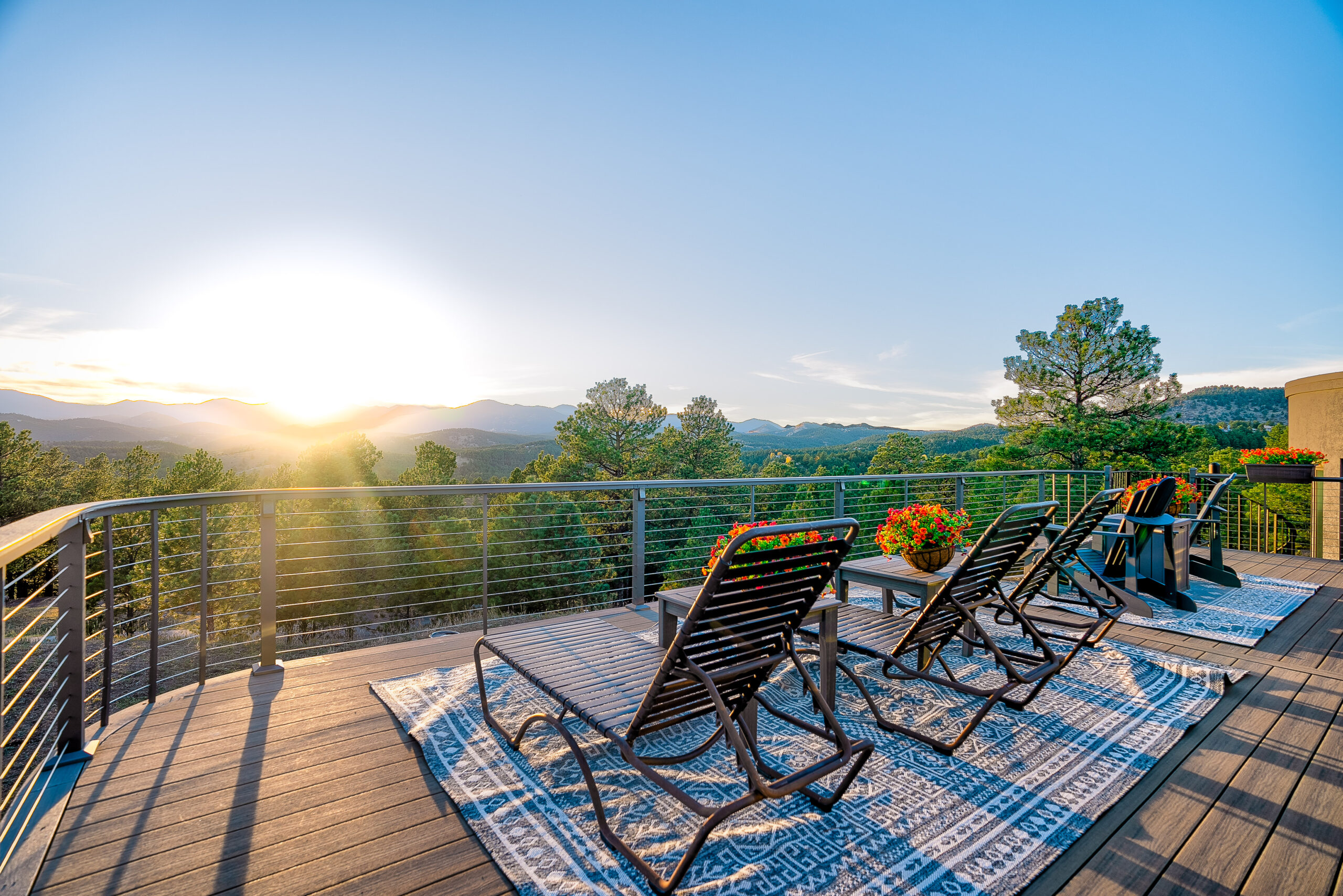
Why Homeowners Choose Colorado Custom Covers & Decks
Homeowners choose Colorado Custom Covers & Decks because we specialize in custom-designed decks built specifically for Colorado’s foothill and wildfire-prone environments.
Our design-build approach ensures every deck is engineered to meet local wildfire regulations, snow load requirements, and terrain challenges. From design and permitting to construction and inspections, we manage the entire process so homeowners receive a compliant, durable, and high-performing outdoor living space.
If you’re planning a deck in a wildfire hazard area, contact Colorado Custom Covers & Decks to schedule a consultation and build with confidence.