Morrison sits at the edge of the Front Range foothills, where elevation, decomposed granite soil, and brutal winter freeze-thaw cycles make outdoor construction more demanding than almost anywhere else in Colorado. A deck built without respect for these conditions will heave, shift, or crack within just a few seasons, even when the surface boards still look brand new from above. The damage often starts hidden in the footings long before the homeowner notices anything wrong on the deck surface.
This guide walks through what frost line depth means for a Morrison deck installation, how concrete footings carry the load through Jefferson County winters, and exactly what local inspectors check before signing off on the finished structure.
Why Frost Line Depth Matters in Morrison
The Morrison area sits at roughly 5,800 feet elevation, with frost line depths that push significantly deeper than the Denver metro flatlands just minutes east. Jefferson County code requires footings to extend below the frost line to prevent the freezing soil from heaving the structure during winter, which means most deck footings in Morrison need to go at least 36 inches deep to stay safely anchored through the coldest stretches of the year.
Going shallow on footing depth is the single most common reason deck installation projects fail in this climate. When water freezes in soil above the footing, it expands with enough force to lift entire posts out of the ground in a process called frost heave. The lift may only be a fraction of an inch per season, but over a few winters the cumulative shift cracks beams, pulls fasteners loose, tilts the entire deck out of level, and creates safety hazards that get worse every year.
Traditional Concrete Footings Done Right
Traditional concrete footings remain the standard for residential deck installation in Morrison. Properly installed, they anchor the structure below the frost line and provide the bearing surface that distributes the deck’s load into stable soil that does not move with seasonal temperature changes. The execution details matter as much as the depth itself, and small mistakes during the pour create big problems later on.
A correct footing starts with a clean, undisturbed bottom in the hole. The concrete pours against firm soil rather than loose backfill that compresses under load over time. Post bases attach with proper anchor bolts set into wet concrete, not after the fact with surface fasteners. Skipping these basics creates footings that look right from above but fail to perform when winter pressure hits the structure season after season for the life of the deck.
What Jefferson County Inspectors Actually Check
Jefferson County inspectors follow the Colorado adoption of the International Residential Code, with local amendments that reflect the realities of Front Range conditions. The first inspection happens after footing holes are dug but before concrete pours, so the inspector can verify hole depth, diameter, and undisturbed soil at the bottom of each excavation. Cutting corners on hole depth gets caught here every time, and rework at this stage is expensive and frustrating.
After footings cure, framing inspection covers ledger board attachment, lateral load connectors, joist hangers, beam sizing, and post-to-beam connections across every section of the structure. Inspectors also check the railing height, baluster spacing, and stair geometry against current code requirements. The final inspection verifies that the surface boards, fasteners, and finishing details all meet specification. A qualified deck installation contractor handles permit acquisition and walks the structure with the inspector at every stage of the build.
Material Choices That Survive Colorado Conditions
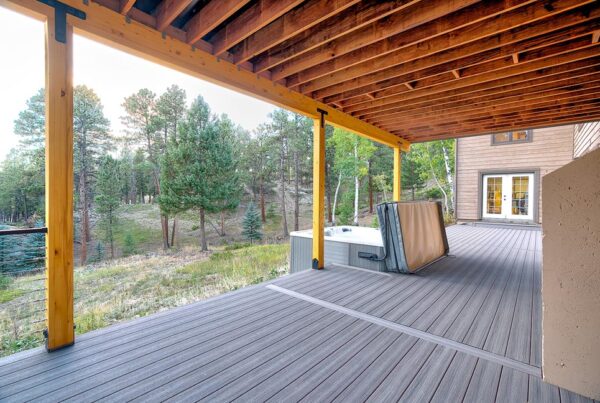
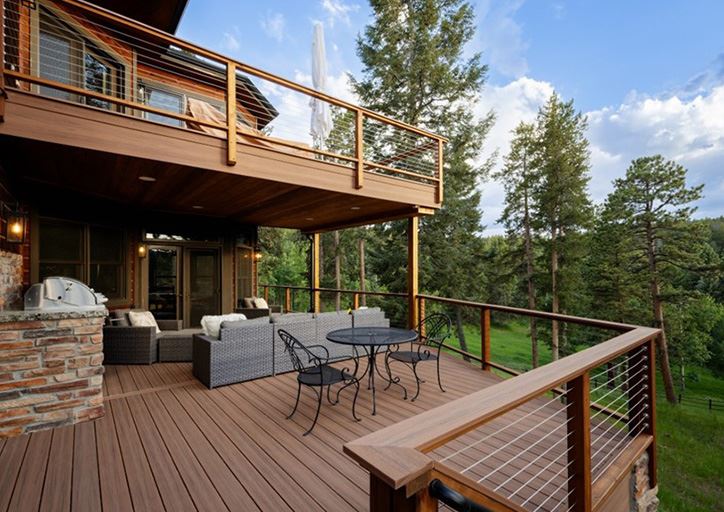
Morrison weather is rough on building materials. Intense UV at elevation breaks down softer woods quickly, and the freeze-thaw cycle stresses every connection point across the deck. Composite decking from Deckorators handles these conditions exceptionally well, with capped polymer technology that resists fading, cracking, and the surface damage that destroys traditional wood within a few short seasons of installation in this demanding climate.
Exotic hardwoods like Ipe, Tigerwood, and Cumaru deliver another premium option for homeowners who want natural wood without the maintenance burden of softer species. The dense tropical grain resists moisture, insects, and the dimensional movement that affects lesser woods in the Colorado climate. For framing beneath the surface, ProWood pressure-treated lumber and PWT premium wood treated stock both deliver the structural performance needed for a long-lasting deck installation in Morrison through every season of weather extremes.
Planning the Build the Right Way
A successful Morrison deck installation starts with design consultation and 3D modeling that shows exactly how the finished structure will sit on the lot. This planning stage catches setback issues, slope challenges, and access problems before construction begins, which saves significant cost compared to discovering these problems after the footings are already poured into the ground. The right design also accounts for sun exposure, wind patterns, and the specific way the family plans to use the space.
The right contractor handles foundation installation, framing, surface installation, railing, and permit acquisition as a single coordinated project rather than handing off pieces to subcontractors who may not communicate well during the build. For expert deck installation in Morrison and across the Jefferson County area, contact Colorado Custom Covers and Decks at (720) 301-5535 to schedule a consultation and start your project the right way.