When you compare gazebo quotes, the lowest number doesn’t always represent the lowest total project cost. One estimate may cover delivery, foundation work, installation, and permits, while another includes only the structure. The gazebo construction cost also changes with size, roof complexity, material choice, and site preparation. If your yard has a steep slope, limited access, or drainage concerns, those conditions may add work before construction begins. A clear, itemized estimate helps you see what each contractor proposes and identify potential extra costs. Here’s what to ask, what to budget for, and how to assess whether a kit or professional build makes sense for your project.
Key Takeaways
- Use published prices as rough guides: Get estimates based on your gazebo’s size, materials, design, and property conditions.
- Compare the full project scope: Check whether each quote covers delivery, foundation work, site preparation, permits, electrical work, and cleanup.
- Choose the right structure and build method: Compare prefab kits, custom gazebos, pergolas, and covered decks based on your budget, desired coverage, and plans for the space.
How Much Does It Cost to Build a Gazebo?
Gazebo construction costs vary because the term covers a range of structures, from a basic soft-top shelter to a permanent, custom-built feature. National estimates put many projects between $1,580 and $7,952, with overall prices ranging from about $200 for a simple option to $14,400 or more for a larger or customized build. These figures offer a starting point, not a local quote. Size, materials, labor, site conditions, and the work included in the estimate all affect the final cost.
One published estimate puts gazebo construction at $75 to $100 per square foot. Use that figure for early budgeting rather than as a firm price: a small, straightforward design has different requirements from a large gazebo with a complex roof or custom details. Angi’s gazebo cost guide explains common price factors, but Colorado homeowners should also ask contractors how access, ground conditions, and local requirements affect their project.
Before comparing prices, decide what kind of structure you want and how you plan to use it. A gazebo intended for occasional shade may call for a different design than one built as a permanent outdoor gathering space. Request itemized estimates based on similar dimensions and features, and check whether each quote includes delivery, foundation work, installation, and permits. That makes it easier to compare the full project cost, not just the price of the structure or kit.
Typical costs by size, material, and build type
Size is a major factor: an 8-by-8-foot gazebo generally uses fewer materials and requires less labor than a 12-by-16-foot or 20-by-20-foot structure. Roof design, materials, and finish details also affect the price, so square footage alone won’t give you a reliable estimate. A broad published benchmark is $75 to $100 per square foot, but the final cost depends on the plans and site.
Build type matters, too. A basic kit may cost a few hundred dollars, while a custom, professionally built gazebo can reach five figures. When reviewing prices, compare structures with similar sizes and features, then confirm what installation and site preparation include. Angi’s cost breakdown offers national estimates to help you start planning.
Prefab kits vs. custom-built gazebos
Prefab kits can be a lower-cost choice if you’re comfortable with a set design and your site is relatively straightforward. Prices vary by size, material, and included features. Remember to budget for delivery, tools, foundation work, and assembly. The kit’s listed price may not reflect the cost of a finished, installed gazebo.
A custom build gives you more control over dimensions, roof style, materials, and details, but design and construction add to the cost. One estimate places custom gazebos at about $8,000 to $14,400, with larger or more elaborate projects potentially costing more. Ask whether the proposal includes plans, labor, foundation work, and finishing details before comparing it with a kit. Compare those expenses before you choose a kit or a custom build.
Costs for wood, vinyl, metal, and soft-top gazebos
Material affects the upfront price, appearance, and upkeep. Wood offers a classic look and can be customized, but the wood species and finish influence both cost and maintenance. One cost guide estimates wood gazebos at roughly $2,300 to $6,000, although size and design can move the price outside that range.
Metal gazebos, including aluminum models, may start around $1,500. Vinyl and other options vary depending on construction, size, and features. Soft-top gazebos are often less expensive, but their fabric covers may need replacement over time. For a permanent structure, compare expected maintenance as well as the purchase price. Those figures are examples; confirm current product and installation costs with local providers.
What contractor estimates include, and exclude
A contractor’s estimate may include the gazebo, delivery, labor, foundation, and installation, but the scope varies. Grading, drainage, permits, electrical work, lighting, and landscaping repairs may be listed separately or left out. Ask for an itemized proposal that identifies included work, allowances, and additional costs.
Labor can also vary with the project. Basic kit assembly may cost a few hundred dollars, while complex installation or custom work can add substantially more. Before accepting a bid, confirm the structure’s dimensions and materials, foundation plan, site preparation, cleanup, and any permit or engineering fees. If you’re planning a larger outdoor living project, compare the gazebo with options such as a covered deck or patio cover, since each has different design and construction requirements.
What Drives Gazebo Construction Costs?
A gazebo’s price depends on more than its size. Materials, design details, site access, and local requirements all affect the final estimate. In Colorado’s foothills, slopes, weather exposure, and permit rules can add planning or construction work. Knowing what shapes the cost helps you compare estimates and decide where to spend.
Size, shape, roof design, and structural complexity
A larger gazebo generally costs more because it requires additional materials and labor. As a broad national reference, Angi estimates gazebo construction at $75 to $100 per square foot. That range is not a local quote, and the final price depends on the project. An 8-by-8-foot structure will typically require less work than a 12-by-16-foot or 20-by-20-foot design.
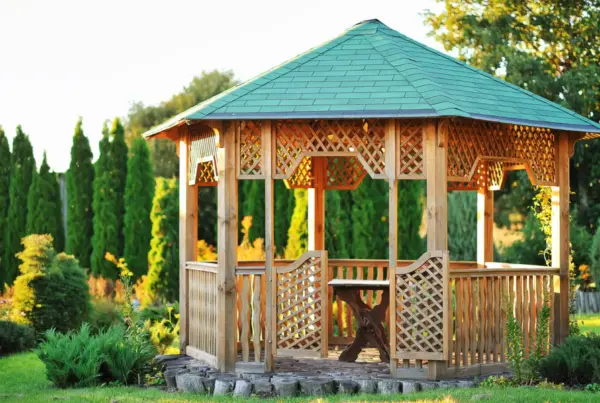
Shape and roof details matter, too. A simple square plan with a straightforward roof is usually less complex than an octagonal layout, a multi-level roof, or custom framing. Longer spans, unusual angles, and heavier roofing may require stronger supports or additional engineering. If you’re weighing different covered outdoor spaces, compare gazebo designs with options such as custom decks and patio covers.
Material durability and maintenance
Materials affect both the upfront price and the care required over time. Pine is often a lower-cost wood option, while cedar and redwood tend to cost more. Angi puts gazebo material costs at $2,000 to $8,500, with cedar or redwood commonly ranging from $4,800 to $7,000. These are general estimates, not prices for a specific Colorado project.
Vinyl is another choice and can require less routine maintenance than wood. One published overview lists vinyl gazebo costs at about $2,100 to $5,800. Metal and soft-top structures have their own price ranges and upkeep needs. When reviewing options, ask how each material handles sun, snow, and regular exposure to the elements. Also consider cleaning, refinishing, and replacement costs. Choosing a material that suits your maintenance preferences can help you plan beyond the initial construction bill.
Custom features: screens, flooring, lighting, heaters, and cupolas
Added features can make a gazebo more comfortable and useful, but they also increase the project scope. Screens can help keep insects out, while finished flooring gives the space a more complete feel. Lighting and heaters may extend the hours you can spend outside. A cupola adds a distinctive roof detail and, depending on its design, may provide ventilation.
The price of each addition depends on the product and the work needed to install it. Wiring, extra framing, or custom finishes can affect labor as well as material costs. Screens, cupolas, flooring, and lighting are common optional upgrades. Before requesting estimates, make a list of the features you want and ask for them to be priced separately. Itemized costs make it easier to compare proposals and decide which details to include now or plan for later.
Labor, delivery, site access, and installation
Labor costs vary with the type and complexity of the build. As a general benchmark, Angi reports that basic kit assembly may cost $300 to $800, while complex or custom labor can range from $1,000 to more than $4,000. A custom-built gazebo may also involve design coordination, framing, roofing, and finish work that a kit assembly does not.
Delivery and access can affect the estimate as well. A narrow driveway, steep path, or limited space for materials may make it harder to get supplies and equipment to the work area. Some proposals include delivery and site preparation, while others list these separately. Ask what the labor estimate covers, how the crew will reach the site, and whether cleanup is included. If the gazebo is part of a larger outdoor project, ask how the work will coordinate with a deck or patio cover.
Grading, drainage, foundations, and site prep
A gazebo needs a stable base, and preparing the site can add to the budget. An uneven area may need grading, leveling, or brush and tree removal before construction begins. Angi estimates that land leveling and grading can cost $1,200 to $4,300 when tree or brush removal is needed. A concrete slab foundation may add about $500 to $2,000. Actual costs depend on the property, access, and foundation design.
Drainage is worth discussing before you settle on a location. If water collects in the area or flows toward the house, the site may need grading or another plan to direct runoff. These preparations can add work, but they help create a stable setting for the structure. Ask your contractor to assess the slope, soil, drainage, and foundation requirements before the estimate is finalized. Colorado Custom Covers & Decks helps homeowners plan residential outdoor projects from design through construction.
Permits, engineered plans, and Colorado foothill conditions
Permit requirements vary by municipality, structure size, and design, so check local rules before construction. Angi’s national guidance puts many building permits at $50 to $200 and notes that permanent structures 10 by 10 feet or larger often require one. Treat those figures as a starting point: requirements and fees differ among communities across the foothills and Front Range.
Some permanent gazebos may also need engineered plans, depending on their size, roof, foundation, and location. A sloped lot, snow exposure, wind, or limited site access can affect design decisions and construction planning. When you compare estimates, ask whether drawings, engineering, permit applications, and inspections are included. Colorado Custom Covers & Decks serves communities including Evergreen, Conifer, Golden, and the surrounding foothills. Its team and project process offer homeowners a starting point for discussing the planning involved in an outdoor structure.
Does DIY Gazebo Construction Cost Less Than Hiring a Pro?
DIY can save on labor, but it isn’t automatically the less expensive option. Your total depends on the gazebo design, materials, site conditions, and how much work you can take on yourself. Compare the full scope, including tools, delivery, foundation work, permits, and finishing, before choosing a build approach.
Compare kit, material, tool, and labor costs
A DIY build may cost less upfront if you choose budget-friendly materials and already have the tools you need. One builder estimates that a 20-by-20-foot gazebo can start around $2,500, but that figure isn’t a guaranteed total. Design, materials, delivery, and site preparation can all change the final cost. Review the estimate and what it assumes before using it to plan your budget.
A kit can make it easier to order compatible parts, but check whether its price includes delivery, a foundation, and installation. For a custom build, add up materials, hardware, tool purchases or rentals, and labor. Contractor estimates vary by project scope, so ask for itemized quotes and compare what each one includes. Installation costs can span a wide range depending on the structure and what the site needs.
Factor in time, skills, mistakes, and structural needs
DIY takes more than assembly time. You’ll need to plan the build, prepare the site, handle construction, and complete the finishing work. Be realistic about your experience with measuring, cutting, fastening, and keeping the structure level. If you need to buy tools, rent equipment, or redo work, those costs can reduce the savings you expected.
A permanent gazebo also needs a stable foundation and secure connections suited to its design and site. Mistakes can create stability problems or lead to repairs. Before committing, consider how much time you can set aside and whether you have the skills to complete each step safely. A DIY project can require more time, extra tools, and basic construction skills than the kit listing suggests.
Consider professional design, planning, and permit coordination
A contractor can help you plan a gazebo that fits your yard and identify site requirements before construction begins. Ask whether the estimate includes design, delivery, grading, foundation work, permit coordination, and cleanup. Some contractors include these services, while others price them separately or expect the homeowner to arrange them.
In Colorado’s foothill communities, slopes, site access, and local requirements may affect the plan and budget. Confirm who will check permit requirements and whether engineered plans are included. If your project is part of a larger outdoor living plan, explore Colorado Custom Covers & Decks’ residential decking services. Request a written, itemized scope so you can compare a contractor’s proposal with the full cost of doing the work yourself.
Know when to hire a contractor for a permanent structure
Professional help may make sense for a large gazebo, a structure built on a slope, or a project that includes electrical work, screens, or other custom features. These details can add planning and construction steps. Hiring a contractor may also be the practical choice if you don’t have the tools, time, or experience to complete the work.
Before signing, ask about the foundation, site preparation, materials, permits, schedule, and warranty. Get exclusions in writing so you know which costs are still your responsibility. A professionally built gazebo may contribute to curb appeal, but don’t count on a specific resale return. Published discussions of resale value don’t put a number on it. Focus on a design and build that suit your property and budget.
What Extra Costs Should You Add to Your Gazebo Budget?
The gazebo itself is only part of the project budget. Permits, site preparation, electrical work, landscaping, and long-term maintenance can all affect the final cost. Ask contractors to spell out what their estimates include, what they exclude, and which expenses may change once work begins.
If you’re planning a structure in Colorado’s foothills, discuss your property’s slope, drainage, access, and exposure to seasonal weather during the planning stage. These details can shape the design and installation plan, so it helps to address them before comparing bids.
Permits, utilities, landscaping, and site restoration
Permit requirements and fees vary by location and project. As a general reference, Angi estimates gazebo permits at $50 to $200 and notes that permanent structures measuring 10 by 10 feet or larger almost always require a permit. Check with your local building department before construction, and ask your contractor whether permit fees, drawings, or other approvals are included in the estimate.
The site itself may need work before installation. Clearing vegetation, grading uneven ground, improving drainage, or preparing a foundation can add costs. Consider what may need repair afterward, too. Equipment access can disturb a lawn, path, or planting bed, and restoring those areas may not be included in the construction price. Ask contractors to list site preparation and cleanup as separate line items so you can see what’s covered.
Electrical work, maintenance, and future repairs
Lighting, outlets, fans, and heaters can make a gazebo more comfortable, but electrical work may be priced separately. Ask whether the estimate includes wiring, fixtures, permits, and the connection to your home. The cost can depend on how far the gazebo sits from a power source and what equipment you plan to use. If electrical work isn’t included, ask whether you’ll need to hire a licensed electrician.
Set aside money for ongoing care as well. Wood may need periodic sealing, metal parts may need rust prevention, and structures exposed to snow may require regular inspections. One published estimate puts annual gazebo maintenance at $100 to $1,000, depending on the work required. Ask which materials need routine attention, how often to maintain them, and whether the contractor’s warranty covers specific repairs.
Check common cost assumptions before you commit
Published price ranges are useful for early research, but they can combine very different products and projects. One published overview gives a broad gazebo cost range of $200 to $14,400. That range may include options with different sizes, materials, and installation needs, so it isn’t a direct comparison of similar structures.
Before relying on an online estimate, check what the price covers. Does it include the gazebo only, or also delivery, labor, foundation work, and site preparation? Is the example a soft-top model or a permanent structure? A prefabricated kit and a custom-built gazebo may have very different requirements. Use published figures as a starting point, then request estimates based on your design and property.
Compare detailed estimates and budget for contingencies
Ask contractors for written estimates that describe the structure, materials, foundation, delivery, labor, site work, and optional features. Have them identify exclusions and explain how they’ll handle unexpected conditions, such as drainage or soil issues discovered during construction. When each estimate covers the same work, it’s easier to understand what accounts for differences in price.
It’s also sensible to reserve part of your budget for changes or site conditions that weren’t clear at the start. The amount depends on the project, so ask contractors which uncertainties are most relevant to your property. Colorado Custom Covers & Decks helps homeowners plan through design, engineered plans, permits, and construction. Its residential decking services offer a closer look at the planning involved in building a permanent outdoor structure.
Compare gazebos with pergolas, patio covers, and covered decks
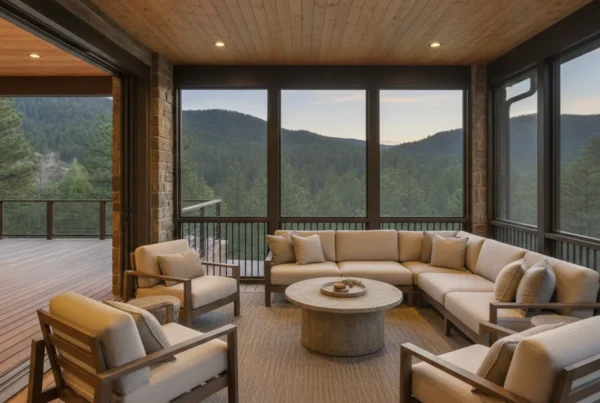
A gazebo is one of several ways to add shade and shelter to your yard. A pergola typically has an open roof, while a gazebo offers more complete overhead coverage. A patio cover or covered deck can attach to your home, creating a sheltered space close to indoor living areas. The right choice depends on how you plan to use the space, how much coverage you want, and the layout of your property.
For a rough price comparison, one set of published examples puts basic wood gazebos around a few thousand dollars and basic wood pergolas in a similar range. Treat these figures as broad examples, since design and installation details affect the final cost. You can also compare options such as custom covered decks and patio covers if you want a structure connected to your home or an outdoor space planned around features like a kitchen or fire pit.
Frequently Asked Questions
How much should I budget for a gazebo in Colorado?
Published national estimates can help you start planning, but they aren’t a substitute for a local quote. Your total depends on the gazebo’s size, materials, design, site preparation, and installation. Ask contractors for itemized estimates based on the same plans and features.
Do I need a permit to build a gazebo in Colorado?
Permit rules vary by city, county, and project. The structure’s size, location, and design may affect what approvals or engineered plans are needed. Check with your local building department, and confirm who will handle permits and inspections before construction begins.
Is a gazebo kit cheaper than a custom build?
A kit may cost less upfront, especially if you can assemble it yourself, but the listed price may not include delivery, foundation work, tools, or installation. A custom build typically costs more, but offers flexibility in dimensions, materials, and features. Compare the full project scope before deciding.
What site conditions can increase the cost of a gazebo?
Sloped or uneven ground, drainage concerns, limited access, and the need for a foundation can add work. In foothill areas, discuss these conditions with a contractor early so they can assess the site and include likely preparation costs in the estimate.
Should I choose a gazebo, pergola, or covered deck?
Choose based on the coverage you want and how the space connects to your home. A gazebo is typically a freestanding structure with a roof, while a pergola offers a more open overhead design. A covered deck or patio cover may work better if you want shelter beside your home.