Composite decking has become the go-to material for homeowners who want a low-maintenance outdoor surface that holds up in demanding weather. Along Colorado’s Front Range, where intense UV, dry winters, sudden storms, and wide temperature swings test every building material, composite decking delivers performance that natural wood struggles to match.
But not all composite products are the same. Here is what to consider when choosing the right one for your property.
Understand What Composite Decking Is
Composite decking is made from a blend of wood fibers and plastic polymers. The combination creates a board that resists moisture, warping, and insect damage far better than natural wood. Most composite decking products come with a protective cap layer on the surface that blocks UV rays, prevents staining, and resists scratching.
The result is a surface that looks like wood but requires almost none of the upkeep.
Consider Your Climate
Colorado’s Front Range brings a unique set of conditions. High altitude means more intense UV exposure. Temperatures can swing 40 degrees in a single day. Low humidity dries materials out, and sudden afternoon storms dump heavy rain or hail on unprotected surfaces.
Composite decking handles these conditions well because the material does not absorb moisture, does not crack from drying out, and resists UV fading better than untreated wood. When choosing a product, look for composite decking with strong fade and stain warranties that specifically cover UV exposure and moisture resistance.
Compare Cap Technologies
The cap layer on composite decking is what protects it from the elements. Higher-quality products feature a thicker, more advanced cap that provides better resistance to fading, staining, scratching, and mold. Entry-level composite decking may use a thinner cap that wears down faster, especially in high-UV environments like Colorado.
Ask your builder about the cap technology and warranty coverage for each product you are considering. A 25 to 30 year fade and stain warranty signals a product built for long-term performance.
Think About Color and Finish
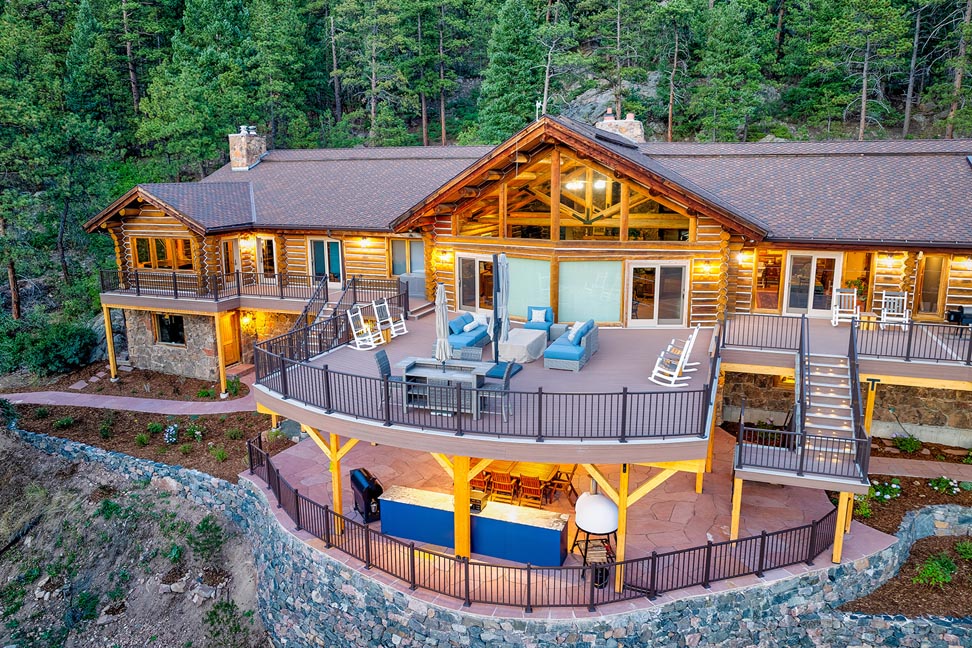
Composite decking comes in a wide range of colors and grain patterns. Lighter colors stay cooler underfoot in direct sun, which matters on hot Colorado afternoons. Darker colors provide a richer, more dramatic look but absorb more heat.
Variegated grain patterns mimic the natural appearance of hardwood. Solid colors give a cleaner, more uniform look. Your choice depends on the aesthetic you want and how the deck connects to your home’s existing finishes.
Match the Decking to the Framing
The performance of composite decking depends on the framing underneath it. Proper joist spacing, beam sizing, and foundation work all affect how the surface looks and performs over time.
Framing materials like wood, steel, composite, and PWT (pressure-treated LVL) each have strengths depending on the size and design of the deck. Traditional concrete footings provide reliable foundation support for most Front Range residential projects. A professional builder matches the framing system to the decking product so the entire structure works together.
Factor In the Full Cost
Composite decking costs more upfront than pressure-treated lumber. But the absence of annual staining, sealing, sanding, and board replacement means composite saves money over the life of the deck. When you factor in 20 to 25 years of maintenance costs, composite decking typically costs less overall than wood.
Work With a Builder Who Knows the Material
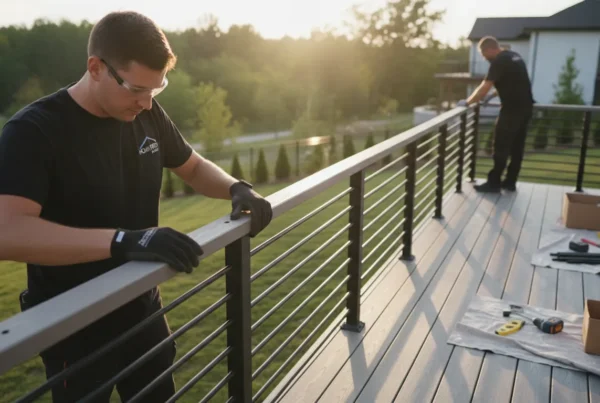
Composite decking has specific installation requirements for fastener spacing, expansion gaps, and joist layout that differ from wood. A builder experienced with composite decking and the Front Range climate ensures the installation performs the way it should from day one.
Choose the Right Composite Decking for Your Home
The right product depends on your climate, your budget, and how you want the deck to look and perform. Colorado Custom Covers and Deck designs and builds composite decking projects for residential and commercial properties across Colorado’s Front Range. Call +1 720 844 2156 to schedule a design consultation and find the right material for your project.