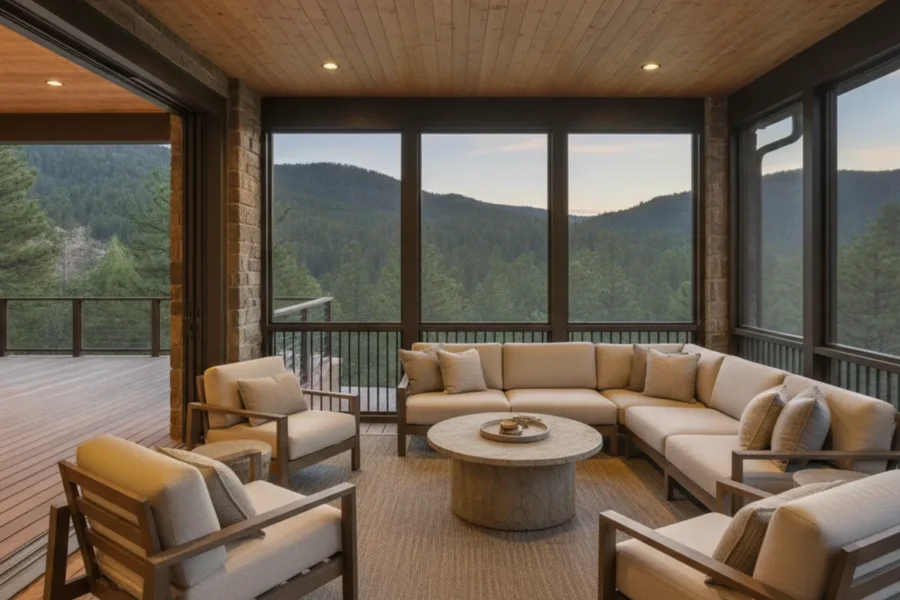
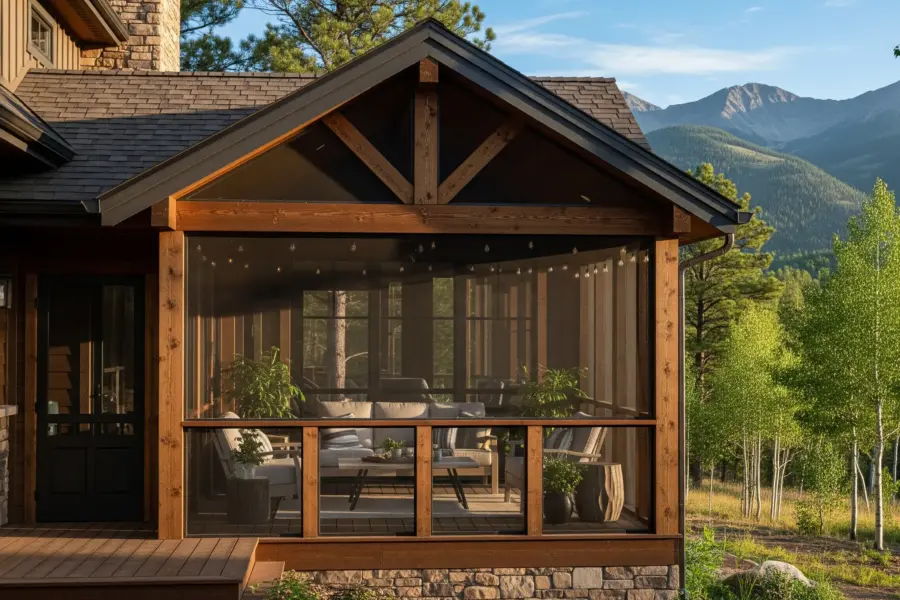
A screened porch installation starts with what you want the space to do. Fewer insects at dinner, a safer spot for pets, more shade, or a place to catch a foothills breeze will change the mesh, layout, door hardware, and budget. Check that the frame is stable and dry first. Then review measurements, fasteners, permits, and any HOA or landlord rules. This guide walks through materials, installation, upkeep, and the point where a professional should take over.
Get a free estimate from Colorado Custom Covers & Decks if you want a screened porch planned with the rest of the deck.
Key Takeaways
- Inspect and repair the porch first: Check framing, fasteners, drainage, and measurements before installing screens.
- Choose materials and a system that fit your needs: Account for pets, weather exposure, maintenance, and whether the frame supports spline tracks or staples.
- Plan for safety and approvals: Check local and HOA requirements, use professional help for structural or elevated work, and inspect screens regularly.
Plan Your Screened Porch Installation
Define airflow, shade, privacy, and pet needs
Decide how you will use the porch before you pick mesh. A breeze, insect control, a shaded meal spot, or a secure place for pets each changes the layout and the screen. Note sun exposure and where privacy matters. A partial privacy wall, lattice, or pergola can add comfort without blocking airflow. Planning for shade and privacy as part of the design. If pets will use the porch, ask about durable mesh and secure door hardware. Standard insect screen often fails under claws. Write the priorities down before design work starts.
Budget for screens, repairs, permits, and help
Budget for more than the mesh. Framing repairs, base strips, fasteners, trim, a screen door, and finish work all belong on the list. Repair the porch before new screens go up, or you may pay for the same work twice. Check permits, zoning, and HOA rules first. Why permit and zoning checks matter. Ask for an estimate that separates materials, repairs, permits, and labor.
Large panels, elevated porches, and damaged frames are where a pro earns the fee. The risks of installing screens without the right tools and experience. If you see movement or damage, have the frame assessed before you buy materials.
Account for Colorado weather and matching finishes
Sun can fade finishes and heat a west-facing porch. Wind loads screens and framing. Snow and moisture make roof coverage and drainage matter. Note exposure, where water runs, and whether the existing roof is enough. Plan the porch as part of the house, including furniture and seasonal use. Planning the porch’s size and fit with the home. A contractor who knows Colorado sites can weigh exposure, materials, and drainage before install.
Match colors to siding, trim, and the deck. Dark frames can disappear into the view. Compare samples outside, because sun and shade change the color. Wood posts may need periodic finish. Applying finish to cedar when you want to keep its color. If the project includes deck work, look at residential decking that fits the porch and your upkeep tolerance. Choosing both early keeps the outdoor space consistent.
What Should You Check Before Installation?
Confirm the frame is sound before you buy mesh. Screens cannot fix a weak structure, and installing them first can hide the repair. If the porch is elevated, or a major post or roof support is damaged, get a professional assessment before you proceed.
Inspect posts, rails, roof, flooring, and connections
Press gently on posts, rails, floorboards, roof supports, and connections. Look for soft wood, cracks, sagging, loose fasteners, and sections that shift, especially at corners where water collects. If a post moves or a roof support looks damaged, stop and find out why. A deck professional can assess the structure. For more checks, see a screened porch planning guide.
Measure openings and check drainage
Measure every opening at the top, middle, and bottom, and again on the left, center, and right. Record trim and hardware that change the fit. Neighboring bays often differ. Follow your system’s extra-mesh allowance, and fix any shift you feel while measuring.
Water should leave the porch, not pool at posts or run across the floor. Clear gutters and look for stains, damp spots, or soft wood. Snow and storms in Colorado make runoff paths worth a second look. Fastener surfaces for base strips or staples must be solid, not split or loose. The guide to porch screening explains how poor fastening leads to loose screens.
Repair structural issues before you hang screens
Fix damaged framing, loose connections, leaks, and drainage before the mesh goes up. Minor repairs should use materials that match the structure and local rules. Posts, roof supports, and major connections, especially on a second story, need a qualified assessment. Colorado Custom Covers & Decks can help homeowners review deck and outdoor-living projects across the foothills and Front Range. A stable, dry frame is what lets the screens stay tight.
Which Materials and Tools Do You Need?
Match the mesh to the frame, how you use the porch, and whether pets will scratch it. Measure every opening, then buy screen, spline, base strips, fasteners, and trim that are made to work together. If the job is part of a larger deck update, see the screened-in porch work Colorado Custom Covers & Decks builds.
| Material | Best for | Watch for |
|---|---|---|
| Fiberglass | Most home projects. Flexible, lower cost, and easier to handle. Black mesh cuts glare. | Standard insect screen can tear if pets paw it. |
| Aluminum | A more rigid mesh when you want a firmer panel. | It kinks if bent during install. Handle it carefully. |
| Vinyl-coated polyester (pet screen) | Porches where dogs or cats press or scratch the mesh. | Confirm it fits your spline system. No mesh is claw-proof. |
In a base-and-spline system, the spline presses mesh into a channel, a base strip screws to the framing, and a snap-on cap hides the edge. A spline that is too small will not hold. One that is too large is hard to seat and can damage the screen. Screen Tight’s porch screening guide compares these materials and shows how the parts fit.
Have a tape measure, straightedge, utility knife, spline roller, drill, the right screws, a level, and a pry bar or flathead screwdriver. Wear gloves and eye protection when you cut mesh or pull old fasteners. For a first project, fiberglass is usually easier to tension than aluminum. Choose pet mesh where claws are likely, then confirm the spline and trim match that roll. The Screen Tight DIY guide is a useful side-by-side when you are weighing handling against durability.
Which Screen Installation Method Fits Your Frame?
Pick the method from the framing, the opening size, and the finish you want. The frame has to be sturdy, straight, and able to hold fasteners. The right system looks cleaner and makes a later panel swap easier.
Compare base-and-spline systems with stapling
A base-and-spline system screws a track to the frame. Mesh presses into the groove with spline, and a cap covers the edge. The Screen Tight system is one example. It looks finished, and you can often replace one panel without disturbing the rest.
Stapling attaches mesh straight to sound, flat wood. Battens or trim hide the staples. It can work, but tension is harder to keep even, and a sagging panel usually means removing the trim to refasten it. Choose based on the frame you have and how you want to repair it later.
Check tension, replacement, and whether the frame can hold the system
Either method needs even tension. Too much pull distorts the screen or strains the frame. Too little leaves wrinkles. Wide openings are the hardest to keep square. Screen installation guidance explain why a sound frame matters.
Before you buy, confirm the frame can take the fasteners. Base strips need solid screw backing. Staples need sound wood. Repair loose joints, soft spots, and out-of-square openings first. Tracks, caps, or battens should match the porch and must not block a door. If screening is part of a larger deck, plan it with the rest of the structure. Skip removable or surface-mounted panels when the frame shifts or the fastener points are damaged. A screen system should not hide framing problems. If you are unsure the frame can hold the system, have a qualified professional inspect it, especially on large or elevated openings.
How Do You Install Screens on an Existing Porch?
Replacing screen mesh is manageable when the frame is sturdy and the openings are sound. Work one opening at a time, follow your system’s instructions, and fix structural issues first. In Colorado, wait for a dry, calm day. Wind makes large panels hard to handle.
- Remove old screens and fasteners, then clean the frame. Pry off wood battens, cut away the mesh, and pull or flatten staples, tacks, and nails. Wear gloves and eye protection. Brush the frame clean, then look for soft, cracked, or loose wood. Do not fasten into damaged framing. If a post or connection moves, pause and have a deck professional assess it.
- Measure each opening and cut mesh with extra material. Check width and height in more than one place, even when bays look the same. Use the largest measurement and leave the allowance your system requires for spline or staples. Keep the mesh flat. An old panel is only a rough guide, because it may have stretched.
- Install base strips, or prepare sound wood for staples. Set base strips on solid framing with the recommended screws, spacing, and materials. Keep each strip straight and do not overtighten. For staples, clear loose paint and old fasteners first. If the frame is uneven or soft, repair it before you add tension.
- Secure the mesh evenly, then trim and test the door. Leave similar extra material on each side. Press spline one edge at a time, or staple from the center outward. Aim for a smooth panel, not a drum-tight one. Excess pull can bow the frame. Trim with a sharp utility knife angled away from the finished screen. Open and close the door to confirm clearance and latch. For a branded system such as Screen Tight’s porch screening system, follow that product’s base, spline, and roller steps. If screening is part of a larger deck update, review framing options on the residential decking page.
What Installation Mistakes Should You Avoid?
A screened porch can look like a weekend project, but small misses lead to loose mesh, water trouble, or repairs that cost more than the screens. Check that the porch is sound, plan each opening, and confirm approvals before you start.
Don’t skip permits, landlord approval, or structural checks
Ask your building department whether the work needs a permit or inspection. Rules vary, especially if you change framing, a roof, stairs, or a second-story deck. Renters need written landlord approval and a plan for later removal. Soft wood, loose connections, and shifting parts need repair first. Screens will not fix a weak frame. If you find damage, have a professional assess it. Colorado Custom Covers & Decks provides residential decking services when the job is more than mesh replacement.
Don’t overtighten mesh, trim early, or fasten into bad wood
Mesh should sit flat, not drum-tight. Too much tension wrinkles the opening or bows the frame. Too little tension sags. Work a small section at a time and check as you go. A spline roller seats the cord without a hard pull. Leave extra mesh until the screen is fully secured, then trim with a sharp knife. If you see wrinkles, reset that area instead of stretching a panel you already cut.
Base strips and staples need solid wood. Repair soft, split, or rotted spots before you attach anything. Tighten screws until the strip sits firm, not until the hole strips. If the frame flexes while you work, stop and find the cause. A sound surface is what keeps the finished screen in place.
Plan the layout, and stop if the frame shifts
Measure every opening and sketch doors, corners, railings, and pet zones before you buy mesh, spline, trim, or fasteners. Budget for repairs, drainage, permits, and help, not only the screen roll. Large panels need a second person so the mesh does not fold or snag. Use a stable platform, and do not lean past a safe reach. If a post or rail moves, stop. Have the cause assessed before you continue. Colorado Custom Covers & Decks has completed deck and outdoor-living projects across the Front Range, including work beyond a simple screen swap.
How Do You Maintain Screens and Handle Repairs?
Check screens, doors, and the frame every few months, and again after wind, heavy rain, or snow. Colorado weather wears on mesh, fasteners, drainage, and exposed wood. Start at door edges, lower panels, corners, and where mesh meets the frame. Note loose edges, small tears, clogged gutters, and water that lingers. A screen is only as dependable as the structure holding it. If a post, roof, or deck connection moves, fix that before you replace mesh.
Patch small tears and replace stretched panels
A small tear can widen when wind or a pet presses the mesh. Use a patch made for that screen and follow the product directions. If a panel has several tears, has stretched, or has pulled from its channel, replace it. While you are there, confirm the door swings, closes, and latches. Tighten loose hinges and replace bent hardware. The screen porch maintenance guide recommends regular checks of hinges and fasteners. If a panel keeps slipping, inspect the spline and channel instead of only pulling the mesh tighter.
Clean mesh and frames, then check fasteners and drainage
Rinse dust and pollen with a garden hose, then wipe with a soft cloth and mild cleanser. Skip abrasive brushes and harsh cleaners. Work from the top down, rinse the soap, and let screens air dry. Advice on maintaining a screened porch follows the same light wash-and-dry routine. Check composite or painted surfaces against their own care instructions.
Look for loose screws, gaps at joints, and movement where posts meet the deck. Do not overtighten fasteners. On wood, watch for peeling paint or worn stain. The screen porch guide also recommends refreshing finish when it breaks down. Soft wood or a shifting post means stop and have the structure assessed.
After a storm, look for branches, bent sections, and loose fasteners. Clear gutters so water drains away from posts. Standing water or a damp area under the deck needs attention before more screen work. If the porch ties into a deck that also needs work, Colorado Custom Covers & Decks offers residential decking services across the foothills and Front Range.
Prepare for the season
Before winter, clear leaves, confirm drainage is open, and store lightweight furniture and cushions. Do not lean on mesh to push snow off. In spring, recheck screens, fasteners, doors, and wood finishes, then clean surfaces before regular use. These screened porch winterizing tips also cover protecting furnishings from cold weather.
What Changes for Rentals and Second-Story Porches?
Get written approval and confirm removal
If you rent, get written landlord approval before you buy materials or change the porch. Agree on what you may install, who pays, and whether screens come down when you move. Say who removes them and who repairs screw holes. Even a kit that looks removable can mark the finish. Keep the approval with your notes.
Check attachment points, then plan safe access
Posts, rails, trim, and the spots where strips or staples will land need to be solid. A weak or out-of-square frame makes mesh hard to tension, and doors may not close. Repair damage before you fasten into it. Colorado sun, moisture, and temperature swings make small wear worth a look. These screen installation tips explain why the frame comes first.
A second-story porch adds fall risk to already awkward panels. Plan how you will reach each opening and move materials. Use a stable platform and real fall protection. Do not stand on a chair or lean over a rail. If you cannot reach an area securely, or the porch shifts, stop and have it assessed. A porch project planning guide covers extra risks at height. For structural changes up high, a qualified deck builder should set the approach.
Check permits before you alter the porch
Ask the building department whether the work needs a permit, especially if you change structure, roof, stairs, or guardrails. Landlord approval, HOA rules, and local permits are separate. Keep the paperwork. For work beyond mesh, a local pro can help name what needs review. Colorado Custom Covers & Decks works with homeowners on residential decking, including planning and construction. This screened-porch checklist also says to confirm requirements before work starts.
When Should You Call a Professional?
Call for damaged framing, roofs, posts, or large openings
Soft wood, loose posts, shifting rails, a sagging roof, or a wide opening without support are reasons to stop. Screens need a sound frame and solid attachment points. Fastening mesh to a weak surface can loosen panels or add damage. A professional can name the repairs to make first. Learn why screening specialists recommend professional installation when the work involves structure or hard openings.
Get help with height, permits, or work past a screen swap
A careful DIYer may replace a ground-level panel. A second story, a roof edge, or an unstable ladder is different. Call if you cannot reach the frame safely, or if the repair is more than mesh and spline. Check local rules before you change structure or add roof parts. Permits, zoning, and HOA approval depend on the site. Permit and HOA considerations are worth reading before you buy materials.
Use a deck builder when screening joins a larger project
New posts, a changed roof, wider openings, or a modified deck make this a structural job. A qualified deck builder can see how new pieces tie into the existing structure and can coordinate design, plans, permits, and construction. That matters when a screened porch joins a covered deck or other outdoor living. A screened-porch installation guide also points to a deck builder for structural changes. In Colorado, local conditions and project rules matter. Colorado Custom Covers & Decks builds porch installations for homeowners planning a larger deck or porch project.
See covered porch options, or request a free estimate if the frame needs more than new mesh.
Frequently Asked Questions
Can I screen in an existing porch myself?
A DIY installation may work if the porch frame is sturdy, the openings are manageable, and you can work safely. Repair any loose or damaged framing first. For elevated porches, large panels, or structural changes, ask a professional to assess the project.
What screen material is best for pets?
Vinyl-coated polyester pet screen is designed to resist scratching better than standard fiberglass mesh. Check that it is compatible with your screen system, and remember that no mesh is completely resistant to damage.
Do I need a permit to screen in my porch?
Requirements depend on your location and the work involved. Contact your local building department before starting, especially if the project changes the framing, roof, stairs, or guardrails. Check HOA rules or landlord approval separately.
How can I help screened porch panels last longer in Colorado?
Inspect screens, fasteners, doors, and drainage regularly, especially after storms. Keep gutters clear, address small tears promptly, and follow care instructions for your screen and frame materials.
When should I contact a deck builder?
Get professional help if you find rot, shifting posts, a sagging roof, or other structural concerns. A deck builder can also help when screening is part of a larger project, such as a covered deck or outdoor living space.