Decks are one of the most popular outdoor living features for Colorado homes, offering space to relax, entertain, and enjoy the outdoors. However, decks are exposed year-round to sun, snow, moisture, and freeze-thaw cycles — all of which take a toll over time.
Knowing the warning signs that indicate your deck needs to be replaced is critical for maintaining safety, avoiding costly repairs, and protecting your home’s value. Below are the top five signs Colorado homeowners should never ignore.

1. Structural Damage or Movement
The most serious sign that a deck needs replacement is structural failure. Carefully inspect the deck’s support system, including posts, beams, and joists.
Red flags include:
- Visible rot or decay
- Insect damage to framing members
- Sagging, bouncing, or uneven surfaces
If the structure itself is compromised, repairs are often no longer sufficient. Structural damage creates serious safety risks — especially for elevated or multi-level decks common in foothill areas.
2. Loose, Warped, or Rotted Deck Boards
Deck boards endure constant exposure to weather and foot traffic. Over time, deterioration is unavoidable.
Watch for:
- Boards that are cracked, warped, or splintering
- Soft or spongy areas underfoot
- Boards that loosen easily or pull away from fasteners
While replacing a few boards may extend a deck’s life temporarily, widespread deterioration usually signals deeper issues that point toward full replacement.
3. Failing Fasteners and Connections
Decks rely on proper connections to remain safe. As decks age, fasteners and hardware can deteriorate.
Common warning signs include:
- Rusted or corroded fasteners
- Loose nails, screws, or bolts
- Separation between the deck and the home
Failing connections increase the risk of collapse and can allow moisture to enter the home’s structure. When fastener failure is widespread, replacement is often the safest solution.
4. Persistent Moisture, Mold, or Water Damage
Moisture is one of the leading causes of deck failure in Colorado. Snowmelt, rain, and poor drainage can trap water within older deck systems.
Signs of moisture damage include:
- Ongoing mold or mildew growth
- Standing water or poor drainage
- Wood that remains damp long after storms
Chronic moisture weakens framing and accelerates rot. In many cases, replacing the deck with modern materials and improved drainage is more cost-effective than repeated repairs.
5. Age and Outdated Construction Standards
If your deck is 15–25 years old or older, it may no longer meet current safety standards. Building codes and construction practices have changed significantly.
Older decks often lack:
- Proper footing depth
- Adequate snow load engineering
- Modern railing and guardrail safety standards
Beyond safety concerns, older decks may also look dated compared to modern designs that use composite materials, cable railings, and cleaner architectural lines.
Repair or Replace: Making the Right Choice
Minor issues can sometimes be repaired, but replacement is usually the better option when:
- Structural components are failing
- Safety standards are outdated
- Maintenance has become constant
- You want improved performance and design
A new deck provides peace of mind, better durability, and improved long-term value.
Why Homeowners Choose Colorado Custom Covers & Decks
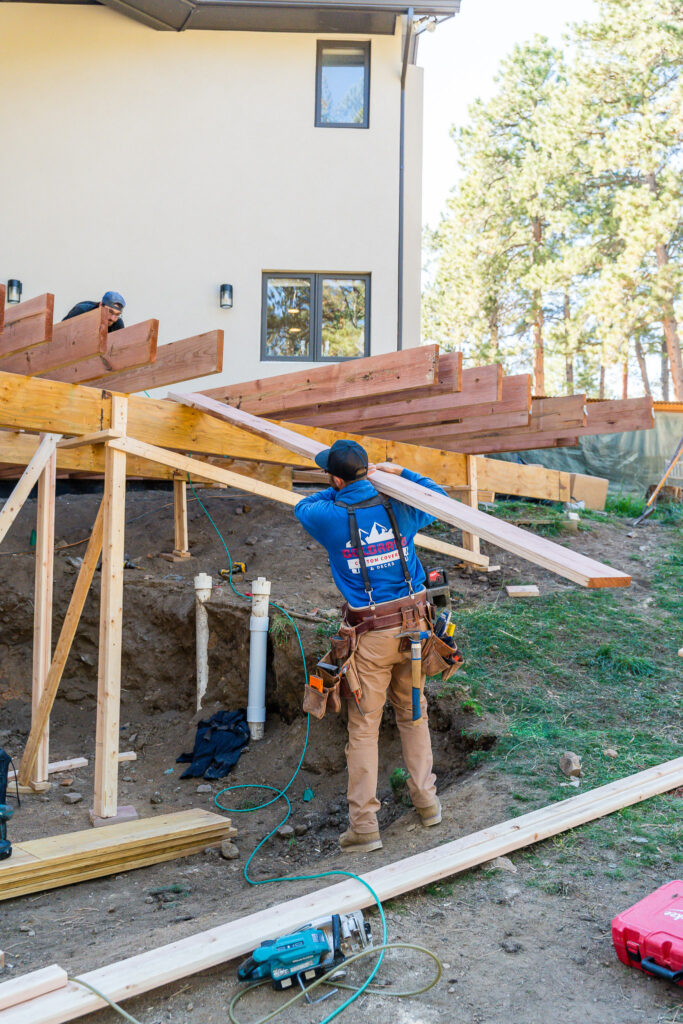
Homeowners choose Colorado Custom Covers & Decks because we specialize in custom-designed deck replacements built specifically for Colorado’s mountain and foothill environments.
Our design-build process addresses structure, snow loads, drainage, and long-term durability from the start. From inspection and design to permitting and construction, we manage every step so homeowners receive a safe, high-performing outdoor living space built to last.
If you’re seeing signs your deck may need replacement, contact Colorado Custom Covers & Decks to schedule a professional consultation and get clear guidance.