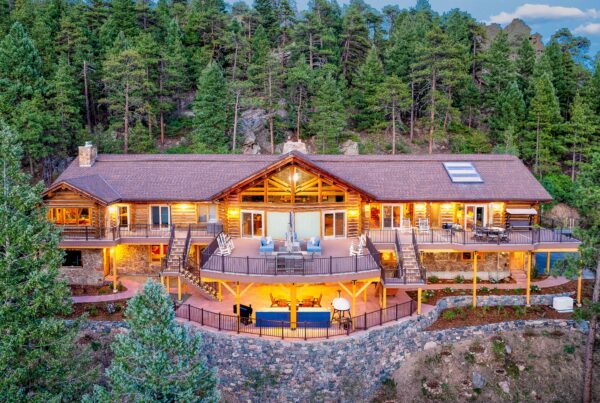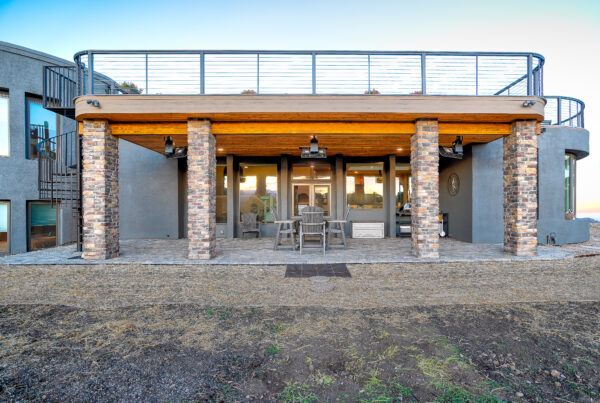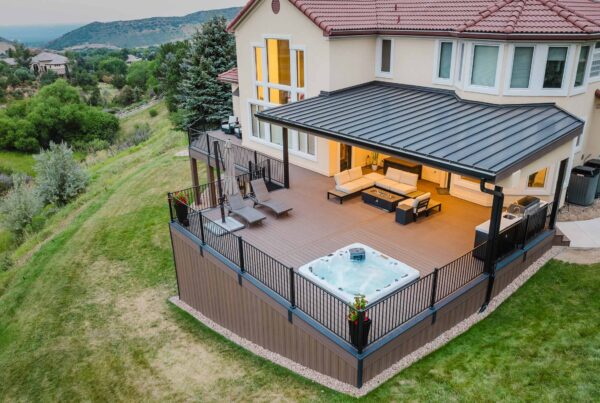
A deck is one of the most important outdoor living features of a Colorado home — but it’s also a structural system that must remain safe and functional over time. Exposure to snow, moisture, sun, and freeze-thaw cycles can gradually weaken deck materials, often in ways that aren’t immediately obvious.
Knowing when to replace your deck — rather than continuing to repair it — is essential for protecting your family, your home, and your investment.
Why Deck Replacement Is a Safety Issue
Many deck failures don’t happen suddenly. They occur after years of moisture intrusion, biological growth, and structural fatigue. In Colorado’s climate, these issues can progress faster than homeowners realize.
Older decks or decks not originally designed for local conditions may no longer meet modern safety standards — even if they look acceptable from the surface.
Key Warning Signs It May Be Time to Replace Your Deck
White Mold or Fungal Growth on Joists
One of the most serious warning signs is white mold or fungal growth where deck boards meet the joists. This often indicates trapped moisture and active decay within the framing system.
Once rot reaches structural components, surface repairs are usually no longer sufficient.
Green Algae, Moisture Staining, or Constant Dampness
If you notice green algae, dark staining, or wood that stays damp long after storms or snowmelt, moisture is being trapped within the deck system. Over time, this leads to:
- Rotting joists and beams
- Compromised fasteners
- Structural instability
Persistent moisture problems often point toward full replacement rather than continued patchwork repairs.
Loose Deck Boards or Movement Underfoot
Loose boards, soft spots, or movement when walking on the deck can indicate deeper structural issues. While individual boards can sometimes be replaced, widespread looseness often means the framing beneath has deteriorated.
This is especially concerning for elevated decks, which are common in foothill and mountain areas.
Aging Materials and Outdated Construction Methods
If your deck is 15–25 years old or more, it may have been built using outdated construction practices. Older decks often lack:
- Proper footing depth
- Snow load engineering
- Modern ledger attachment methods
- Current railing and guardrail safety standards
Replacing an older deck allows homeowners to upgrade to modern materials, safer designs, and code-compliant construction.
Repair vs. Replace: Making the Right Decision
Minor, isolated issues can sometimes be repaired. However, replacement is usually the smarter option when:
- Structural components are affected
- Moisture damage is widespread
- Safety standards are outdated
- Maintenance has become ongoing and costly
A replacement deck provides peace of mind, improved performance, and better long-term value.
Built for Colorado Conditions
Decks in Colorado must be designed for:
- Snow loads
- Freeze-thaw cycles
- UV exposure
- Terrain and elevation
Replacing a failing deck gives homeowners the opportunity to build a structure that performs properly in these conditions rather than continuing to fight ongoing issues.

Why Homeowners Choose Colorado Custom Covers & Decks
Homeowners choose Colorado Custom Covers & Decks because we specialize in custom deck replacements built specifically for Colorado’s mountain and foothill environments.
Our design-build process addresses structural safety, moisture management, snow loads, and long-term durability from the start. From inspection and design to permitting and construction, we manage the entire process so homeowners receive a safe, high-performing outdoor living space built to last.
If you’re unsure whether your deck should be repaired or replaced, contact Colorado Custom Covers & Decks to schedule a professional consultation and get clear, honest guidance.
Schedule your deck consultation