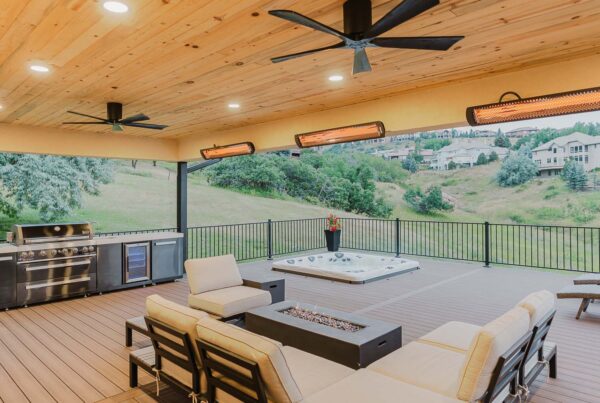
A backyard fire pit sounds like a simple addition, until you start comparing models, fuel types, installation needs, and site work. The fire pit installation cost can vary widely, from a few hundred dollars for a portable option to several thousand for a permanent gas or masonry feature. Your yard’s slope, access, materials, and distance from utilities can all affect the estimate. If you’re planning a pit beside a deck, patio, or covered area, safety requirements also shape the design. This guide breaks down the costs to consider, what contractors may include, and how to plan a fire feature that works with your outdoor space.
Key Takeaways
- Use cost ranges as a starting point: Fire pit prices vary with the design, materials, fuel, labor, and site conditions. Request itemized local estimates to compare the same scope of work.
- Budget beyond the fire pit: Include site preparation, utility connections, permits, seating, landscaping, and ongoing fuel and maintenance costs.
- Plan safety and placement early: Check local rules, manufacturer instructions, clearances, and surface requirements, especially near decks, pergolas, and covered patios.
What Does Fire Pit Installation Cost?
Fire pit installation can cost a few hundred dollars for a simple portable setup or several thousand for a custom, built-in feature. One cost guide estimates that many projects fall between $300 and $2,500, with an average of about $850. Your total depends on the pit’s type, size, materials, fuel, installation work, and site conditions. Excavation, masonry, gas connections, or extensive finishing can add to the price.
When you compare estimates, check what each one includes. A product price may not cover delivery, a noncombustible base, labor, permits, or nearby seating and landscaping. In Colorado, slope, site access, and the condition of an existing deck or patio may also affect the work. If your project includes a deck, plan the fire feature alongside the broader residential decking design and construction so surface requirements and clearances are considered early.
Ask contractors to itemize the pit, installation, and surrounding work. That makes it easier to compare estimates and decide which features fit your budget. Treat published price ranges as starting points, not guarantees: local labor rates, product choices, and site requirements can change the final quote.
Compare typical installed costs by fire pit type
Portable fire pits are generally the least expensive option. Prefabricated above-ground models can cost more once delivery, assembly, and base preparation are included. In-ground and custom masonry pits tend to be pricier because they may require excavation, foundation work, skilled labor, and finished stone or brick.
As a general guide, Site Prep’s fire pit cost overview places many setups between $300 and $2,500, with an average of about $850. Professional installation may range from $500 to $4,000 or more, depending on the project’s complexity. Use these figures to start your planning, then request local quotes based on your design and site. Ask each contractor to separate product, labor, and site work so you can compare estimates with the same scope.
Price portable pits, delivery, and setup
Basic portable fire pits can cost less than $200, making them a flexible option if you don’t want a permanent feature. Keep in mind that the pit price may not include delivery, fuel, a cover, or a safe surface. Check the manufacturer’s instructions to find out what type of surface is suitable and what clearances the unit requires.
A gravel fire pit area with a properly prepared foundation can sometimes cost under $600, according to Site Prep’s cost guide. The final price depends on the area’s size, ground conditions, and need for grading or additional base material. Before purchasing, consider where the pit will sit in relation to decks, fences, trees, and overhead structures. A portable unit still needs a stable location and safe clearance.
Price above-ground and prefabricated pits with installation
Prefabricated above-ground pits come in a range of sizes and finishes. Some need little more than delivery, while others require assembly, a level base, or work to finish the surrounding area. For a fair comparison, look beyond the product price and confirm what’s included in setup.
Professional installation may cost about $500 to $4,000 or more, depending on the complexity of the work. The estimate could include a site assessment, foundation preparation, assembly or placement, and cleanup. Ask whether delivery, leveling, disposal, and installation warranties are included. If the pit uses gas, confirm whether the estimate covers the gas connection or only the fire feature itself. Request an itemized quote so you can see which tasks are included and avoid unexpected costs during installation.
Estimate in-ground and custom pits, including excavation, masonry, and finishes
An in-ground or custom-built pit can create a lasting focal point, but it usually calls for more planning and labor than a portable or prefabricated option. The budget may need to cover consultation, excavation, material delivery, a stable base, masonry, and finishing details such as a stone cap. The pit’s shape and size, material choice, and access to the work area all affect the price.
One custom fire pit cost breakdown estimates professional installation at about $700 to $3,500, including items such as consultation, excavation, transport, and construction labor. Your project may differ, particularly if it needs extra site work or premium finishes. Ask for a quote that specifies the materials and construction steps, not just a total. That helps you compare design options and adjust the scope to suit your budget.
Separate fire pit costs from site prep and surrounding work
The fire pit may be only one part of the project budget. Site preparation, utility connections, permits, lighting, seating, and landscaping can all add to the total. Backyard Oasis’s installation guide lists possible costs such as $300 to $500 for a 20-foot gas line, $50 to $500 for permits, and additional expenses for site preparation, electrical work, seating, or landscaping. These are broad estimates, so check local requirements and contractor pricing.
Ask for surrounding work to appear as separate line items. You can then decide whether to build the seating area or add landscaping now or in a later phase. Before construction, confirm permit and fire requirements with your local authority. If the pit will be on or near a deck, include surface requirements and clearances in the plan from the start.
Which Fire Pit Materials Affect Installation Cost?
A fire pit’s material affects more than its purchase price. It can influence installation labor, site preparation, maintenance, and how long the feature lasts. A lightweight metal pit may need little setup, while a custom masonry design may require a stable base and skilled installation. The figures below are general material or product-price ranges, not guaranteed installed costs. Your final estimate will depend on the design, site conditions, and local labor rates.
Compare steel, cast iron, and stainless steel prices, durability, and upkeep
Steel fire pits are often the least expensive option, with units commonly priced around $75 to $300. They’re relatively light and simple to set up, but exposure to moisture can cause rust, so protective coatings and routine care may be needed. Cast iron typically costs $200 to $600. It holds heat well, but its weight can make handling and installation more difficult, and it needs regular attention to prevent rust. Stainless steel often costs $300 to $1,200, but it resists rust and corrosion with less upkeep. Fire Pits Direct compares these metal options. In Colorado, consider how snow, rain, and temperature swings may affect your fire pit between uses.
Compare concrete, fire-rated blocks, brick, and firebrick costs and labor
Concrete fire pit materials can cost about $150 to $800, depending on the design and materials used. Fire-rated blocks may add $200 to $500 for materials, while brick pits can range from $300 to $1,500. Firebrick, designed to withstand high temperatures, may add another $150 to $450. These figures may not include delivery, a prepared base, or installation labor. Masonry work takes careful planning and assembly, and the price can rise with a complex design or challenging site. Use materials rated for high heat in the combustion area, since ordinary masonry may not withstand repeated exposure. Backyard Oasis lists common fire pit material costs. Ask contractors to itemize materials, labor, and site preparation so you can compare estimates accurately.
Compare natural stone finishes and installation costs
Natural stone can complement a patio or other outdoor features, but it can also raise material and labor costs. Stone finishes may range from about $500 to $4,000 or more, depending on the stone, design, and amount of work required. Installation labor is often higher because the work calls for masonry skill; one estimate puts it at roughly $60 to $125 per hour. HomeGuide explains how stone and installation affect fire pit costs. Treat these numbers as general estimates, since local rates and project details vary. Stone is also heavy, so the site may need a suitably stable base. If the fire pit is part of a larger outdoor living project, coordinate its finish with nearby surfaces. Colorado Custom Covers & Decks can help homeowners plan connected features through its residential decking and outdoor living services.
Compare lifespan, maintenance, and replacement-part availability
The least expensive fire pit upfront may not be the least expensive to own. With proper care, steel models may last around five to 10 years, while cast iron can last 10 to 20 years but needs regular rust prevention. Stainless steel may last 20 years or more with minimal upkeep. Concrete and brick pits can last for decades when properly built, though mortar, bricks, or liners may eventually need repair. American Fire Products covers lifespan and maintenance considerations. Before choosing a model, check whether replacement burners, grates, covers, and other parts are available. Ask about the manufacturer’s repair and warranty process, too. Accessible parts and a maintenance routine you can keep up with can make a durable pit a better long-term value.
How Do Fuel, Size, and Features Change the Cost?
Fuel type, fire pit size, and added features all affect the installation budget. A portable wood-burning pit may have a lower upfront cost than a built-in gas feature, but the full project can also include fuel, utility connections, site work, seating, and ongoing care. Compare the complete setup, not just the price of the pit.
Estimate wood-burning setup, firewood, and ash cleanup
A wood-burning fire pit usually avoids the cost of a gas line and burner connection, which can make the initial setup simpler. You’ll still need a stable, noncombustible surface and a safe place to store firewood. Add the cost of wood to your ongoing budget, based on how often you plan to use the pit and how long you typically keep it burning.
Wood fires also require regular ash removal and cleanup. Think about where ash will go and whether you’re comfortable with the added maintenance. The surrounding patio and seating area can cost more than the fire pit itself, so plan the whole space together. If the pit is part of a larger deck or patio project, coordinate its location and materials early with your outdoor living design.
Estimate propane burners, tank storage, and fuel costs
Propane offers adjustable flames without the firewood storage or ash cleanup that comes with a wood-burning pit. The setup needs a burner, a properly sized propane tank, and a safe location for the tank. A built-in design may also require an enclosure with suitable ventilation and access for maintenance. Include refills in your long-term budget, since fuel use varies with flame size and how often you use the pit.
When reviewing an estimate, ask whether it includes the burner, tank storage, connections, and permits. Costs depend on the site and local requirements. For reference, a 20-foot gas connection may cost $300 to $500, before any applicable permit fees. Confirm which parts of that estimate apply to your project, and get current local pricing before work starts.
Estimate natural gas lines and professional connections
A natural-gas fire pit connects to your home’s gas supply, so it can be a practical choice if you expect to use it often. You won’t need to refill a propane tank, but installing or extending a gas line adds cost. Have a qualified professional complete and test the connection.
Your final price can depend on the distance from the gas supply, access to the work area, and whether excavation or surface repairs are needed. One estimate for an installed permanent natural-gas fire pit ranges from $3,500 to $8,000. Treat that as a general reference, not a guaranteed quote. Ask contractors to itemize the pit, gas line, labor, permits, and restoration so you can compare estimates clearly.
Price larger pits, custom shapes, ignition systems, and premium finishes
Larger fire pits typically use more materials and require more labor. In-ground designs can cost more because they may involve excavation and additional construction. One published estimate by pit size lists small models at $150 to $500, medium models at $500 to $1,500, and large models at $1,300 to $4,500. Actual installed costs vary by design, materials, and site conditions.
Custom shapes, premium stone or metal finishes, and electronic ignition can add to the total. Before choosing upgrades, consider how many people you want to seat and how much room you need for walkways and safe circulation. If the fire feature will be part of a larger project, a coordinated outdoor living plan can help the pit fit the space and the overall design.
Price seating, covers, cooking features, and other add-ons
Built-in seating, protective covers, cooking grates, and decorative details can make a fire pit area more functional, but each adds to the project cost. Seating walls and patio extensions may need separate materials and installation. Check that covers and cooking accessories are made for your specific model, and include any required storage or surface protection in your plan.
Remember to budget for maintenance after installation. Depending on the setup, ongoing costs may include fuel, inspections, cleaning, and replacing fire media such as lava rocks. One annual maintenance estimate puts those expenses at $100 to $300, though your actual costs will depend on use and upkeep. Before buying, ask about warranty coverage and the availability and price of replacement parts.
What Site Work Can Add to the Cost?
The fire pit itself is only one part of the project budget. Preparing the ground, running utilities, and building a comfortable area around the pit can add significant costs, especially if your yard is sloped, difficult to access, or needs drainage improvements. Before choosing a model, consider how you want to use the space and what the site will need to support it.
Ask contractors to separate the fire pit, site preparation, utility work, and surrounding features in their estimates. That makes it easier to compare proposals and see where costs may change. A site visit can also help uncover issues that are hard to spot from photos, such as rocky soil, limited equipment access, or existing paving that needs to be removed.
If your fire pit is part of a larger deck or patio project, plan the layout and construction together. Colorado Custom Covers & Decks helps homeowners create custom outdoor living spaces, with design and construction planned around the property. Whether you’re adding a simple gathering spot or a more complete outdoor area, a clear scope helps you budget for the work beyond the pit.
Budget for excavation, grading, drainage, and a stable noncombustible base
A fire pit needs a stable, level surface that can safely support its weight and handle heat. Depending on the location, preparation may involve removing soil or old paving, grading the area, improving drainage, and installing a noncombustible base. The cost depends on the size of the work area, soil conditions, and how much material needs to be moved.
One published guide estimates professional fire pit installation at $500 to more than $4,000, depending on project complexity. Use this as a broad reference, not a guaranteed price for your property. Ask contractors to specify what the estimate includes, such as excavation, base materials, labor, cleanup, and any warranty. A site preparation cost guide can help you identify questions to raise when reviewing a quote.
Include utility connections, delivery, disposal, and site access
A gas fire pit may need a new line or a connection to an existing supply. One cost guide estimates $300 to $500 for a 20-foot gas line installation, but the final price depends on the route, materials, labor, and connection requirements. Ask whether the quote includes fittings and inspection, and confirm that gas work will be completed by a qualified professional.
Remember to account for delivery, disposal of excavated soil or old materials, and access to the work area. A narrow side yard or steep path may make it harder to bring in equipment and materials, adding time and labor. Request an itemized estimate so you can see these costs separately. Fire pit installation cost details can provide a starting point for comparing possible expenses.
Price pavers, seating walls, retaining walls, and landscaping
The area around the fire pit can shape both the look and cost of the project. Pavers create a defined gathering space, while a seating wall can add built-in places to sit. On a sloped yard, a retaining wall may help create a level area. Paths, lighting, and landscaping can make the space feel connected to the rest of your yard.
Costs vary by design, materials, and site conditions. One estimate places seating construction at $500 to $5,000 and landscaping at $500 to $3,000. Treat these figures as general examples, then ask for pricing based on your plans. If the fire pit is part of a larger patio or deck, coordinate the layout before construction begins. This can help avoid reworking finished surfaces or moving utilities later.
Check permit, inspection, and local fire restriction costs
Permit and inspection requirements vary by location and by project type. A built-in fire pit, gas connection, and electrical lighting may each have different rules. One installation guide estimates permits at $50 to $500, but your local building department can confirm what applies to your property and what fees to expect.
Before buying materials or scheduling work, contact your city or county building department and local fire authority. Ask whether you need permits or inspections, and whether seasonal fire restrictions affect when or how you can use the pit. In Colorado’s foothills, requirements can differ between jurisdictions and may change with local conditions. Confirm who will submit permit applications and arrange inspections, so responsibilities are clear before work begins.
Plan for slope, soil, and changes to existing outdoor spaces
The condition and shape of your yard can affect the design, schedule, and cost. A sloped site may need grading, steps, or a retaining wall to create a level area. Rocky soil, drainage problems, or buried obstacles can require extra labor or equipment. If you already have a patio, deck, path, or garden nearby, ask whether it needs protection, changes, or removal.
Have the contractor assess the site and access before finalizing the estimate. Also ask how unexpected work will be priced if the crew uncovers a problem after excavation starts. This gives you a clearer picture of potential costs and helps avoid surprises. For more on how site conditions can affect estimates, review this guide to common construction estimating mistakes.
Should You Choose a Portable, Above-Ground, or In-Ground Fire Pit?
The best fire pit for your home depends on your available space, how often you plan to use it, and whether you want a flexible feature or a permanent part of your outdoor living area. Portable models are easy to move, while above-ground and in-ground options can suit more defined gathering spaces. Compare the full installation plan, not just the price of the pit: fuel, site preparation, seating, safety clearances, and maintenance all matter.
Match pit type and size to your space and plans
A portable fire pit can work well on a smaller patio or if you want to store the unit between uses. Check the manufacturer’s instructions for approved surfaces, clearances, and storage requirements before setting it up.
Above-ground, prefabricated pits offer a more permanent feel without the same level of customization as a built-in design. An in-ground or custom pit may be a better fit for a larger outdoor space, especially if you want it integrated with a patio or seating wall. These projects can involve excavation, masonry, and additional site work. Fire pit installation costs vary by design and project scope, so include more than the pit itself in your budget.
Measure the area and decide how many people you’d like to seat around the fire. A large pit can crowd a small patio, while a compact model may not suit your plans for regular gatherings.
Consider smoke, wind, seating, and safe circulation
Think about where smoke may travel before choosing a location. Wind can carry it toward seating, doors, windows, or a neighbor’s yard. Observe how air moves through the space, and consider whether nearby walls or structures might redirect smoke. Fire pit layout guidance can help you plan for wind and comfort before installation.
Plan seating and circulation together. Leave enough room for chairs, people to move around them, and a clear path back to the house. Follow the fire pit manufacturer’s instructions and local requirements for distance from combustible items, including cushions and stored firewood.
If you’re planning a fire feature near a deck, pergola, or covered patio, get qualified guidance before selecting a model. Colorado Custom Covers & Decks can help homeowners coordinate fire features with residential decking and covered spaces.
Look beyond appearance and account for maintenance
Maintenance varies with the pit’s material, fuel, exposure to weather, and frequency of use. A wood-burning pit needs ash removal and a dry place to store firewood. Gas models avoid ash cleanup, but burners and ignition components still need inspection. Portable steel models may also need protection from moisture, while masonry pits can require care for joints and nearby surfaces.
Before buying, check how easy it is to find replacement parts. Ask whether the manufacturer recommends a fitted cover, seasonal storage, or routine servicing. A design that looks appealing may be harder to maintain if parts are difficult to source.
Consider long-term upkeep alongside the purchase price. A lower-cost model may need more frequent repairs or replacement. Review the maker’s care instructions and warranty, and consider how the pit will handle local weather. This overview of common fire pit installation and maintenance problems offers useful points to check before choosing a design.
Compare dimensions, materials, fuel ratings, warranties, and safety certifications
Compare product specifications, not just photos. Check the fire bowl’s dimensions, total footprint, required clearances, and approved installation surfaces. For a gas pit, confirm the fuel type and rated input, then make sure the model suits the planned gas supply. A propane tank or natural gas connection can affect both the layout and installation costs.
Review the materials, warranty terms, and any safety certifications listed for the model. Confirm what the warranty covers, how long it lasts, and whether it requires professional installation. For a built-in pit, ask what foundation, drainage, and ventilation details the design requires.
Request an itemized estimate that separates the fire pit, labor, base, fuel connection, and surrounding work. This makes it easier to compare proposals and see what each includes. The fire pit installation cost guide outlines common considerations such as site assessment and foundation work.
Does Professional Fire Pit Installation Cost More Than DIY?
DIY installation can cost less upfront, especially for a simple, portable wood-burning pit. But a fair comparison includes more than the fire pit’s purchase price. Materials, tools, delivery, site preparation, your time, and possible repairs all affect the total. The best choice depends on the design, your site, and the work you’re prepared to take on.
Compare labor for prefabricated, masonry, and gas installations
A prefabricated pit may need only a prepared base and assembly, while a masonry design can require excavation, heavy material handling, and skilled construction. Gas installations may also involve connecting a fuel line, which adds specialized labor. One fire pit installation cost breakdown estimates professional installation at about $700 to $3,500, including consultation, excavation, transport, and construction labor. Treat this as a general range, not a quote: design, site access, materials, and local requirements can change the price. Ask contractors to specify whether the estimate includes the pit, base, site work, and utility connections. If the fire feature will sit near a deck or patio, plan it as part of your outdoor living project.
Include materials, tools, delivery, time, and possible rework in DIY costs
A basic DIY fire pit may cost around $300 to $1,500 for materials, depending on its size and design. Add the cost of gravel or another base, delivery, tool purchases or rentals, and time for preparing the site and assembling the pit. Heavy materials may also require a suitable vehicle or paid transport.
DIY can work well for a simple above-ground wood-burning pit built according to the manufacturer’s instructions. More involved projects carry a greater risk of added costs if the base shifts, materials are unsuitable, or you need to redo part of the work. Review this DIY fire pit cost guide for a starting range, and check local suppliers to compare delivery charges and material prices.
Compare itemized estimates and confirm what each quote covers
Request an itemized estimate before hiring a contractor. It should identify costs for the pit or burner, excavation, base materials, masonry, delivery, cleanup, and any gas or electrical work. Confirm whether permits and inspections are included or charged separately. If a quote gives only a total, ask for a breakdown so you can compare it with other proposals on the same basis.
Ask what could change the price, including limited site access, unexpected soil conditions, or extra preparation. Find out how the contractor handles changes and whether they’ll get your approval before doing additional work. Clear estimates make it easier to set a realistic budget and compare proposals that cover the same scope. Good construction estimating practices help both homeowners and contractors avoid confusion about project costs.
Hire qualified professionals for gas connections and complex masonry
A simple prefabricated wood-burning pit may suit a confident DIYer, but gas connections and substantial masonry call for qualified professionals. A gas system needs compatible components, proper connections, and enough airflow to work as intended. Ask who will complete the gas work, what qualifications they hold, and whether the estimate includes testing the system. Poorly planned installations can lead to ignition issues or repairs, as this overview of common fire pit installation problems explains.
For masonry, an experienced installer can help select suitable materials, create a stable base, and account for drainage and site conditions. Ask to see examples of similar work and review the written scope and warranty. If the fire pit is part of a deck or patio project, coordinate its location, materials, and utilities with your builder early in the design process.
How Can You Estimate Fire Pit Installation Costs and Stay on Budget?
Start with the full project, not just the price of the fire pit. Site preparation, seating, utilities, and ongoing care can all affect your budget. Review these details before choosing a design, then compare estimates that cover the same work.
Assess the location, slope, access, and utilities before choosing a pit
Walk the yard and note the slope, ground conditions, nearby structures, and the route workers will use to bring in materials. A level, open space may need little preparation, while a steep or confined area could require grading, excavation, or extra labor to move materials. In Colorado’s foothills, elevation changes and existing site features can affect both the design and installation plan.
Check for gas or electrical lines, drainage paths, trees, and overhead structures before settling on a location. Ask a contractor to review the site and identify potential work before preparing an estimate. As Beck Technology explains, overlooking site conditions can make construction estimates less reliable.
Plan the fire pit and seating area together
Decide how many people you want to seat and how they’ll move around the fire pit. Allow room for chairs, walkways, and safe clearances from buildings and other features. If you’re considering built-in seating, pavers, or a retaining wall, include them in the initial layout instead of adding them after installation.
The surrounding patio and seating area may cost as much as, or more than, the fire pit, particularly if the project includes extensive paving or masonry. Planning everything together helps you select a pit size and location that fit your yard and how you’ll use it. Colonial Classics recommends including the patio and seating area in your fire pit budget. If the fire feature will be part of a larger deck project, coordinate it with your deck design and construction plans.
Compare current product, material, labor, and site-work quotes
Request itemized estimates that separate the fire pit, materials, labor, delivery, site preparation, and utility work. Comparing the same categories across quotes helps you see what’s included and identify costs that may be missing. Confirm that each estimate uses the same dimensions, fuel type, materials, finishes, and installation details.
Prices can change with product availability, site access, and the amount of preparation required. Ask contractors for current pricing and find out what conditions could affect the total. Clear estimates make it easier to plan and compare options. Ark Simplify’s construction estimating guidance recommends basing estimates on accurate project details rather than assumptions.
Set aside money for unexpected work
Even a carefully planned installation can uncover problems once work begins. A crew may find unstable soil, buried debris, drainage issues, or utility conditions that weren’t visible during the initial site review. Ask what could affect the price and how the contractor will get your approval before starting additional work.
Keep a separate contingency in your budget for unexpected costs. The amount depends on the site and project complexity, so ask your contractor what reserve makes sense for your plans. This gives you room to address surprises without having to compromise on key parts of the design. ConstructConnect recommends accounting for construction risks when preparing a project budget.
Budget for fuel, cleaning, repairs, and replacement parts
Installation is only part of the cost of owning a fire pit. Wood-burning models require firewood and ash removal. Gas models need fuel, and some systems may need periodic inspections or replacement parts. Covers, burner components, fire media, and surface cleaning can also add to upkeep costs, depending on the design and materials.
Ask about the manufacturer’s maintenance recommendations and check whether replacement parts are easy to find. One estimate puts annual costs for inspections, fuel refills, cleaning, and replacing lava rocks at about $100 to $300, though your costs will vary with fuel type, use, and local prices. Backyard Oasis outlines common upkeep expenses to help you plan for costs after installation.
What Safety Factors Affect Fire Pit Installation?
A safe fire pit starts with the right location, not just the right design. Before choosing a model, check local requirements, confirm the manufacturer’s clearances, and consider how flames, heat, and smoke could affect your home and guests. These details matter even more on a deck or beneath a cover. If your fire pit is part of a larger outdoor project, plan its placement alongside the deck, patio, and seating area. Colorado Custom Covers & Decks can help homeowners coordinate fire features with their deck design and construction plans.
Check local codes, permits, fire rules, and seasonal restrictions
Rules for outdoor fires can vary by municipality and fire district. Temporary restrictions may also apply during dry or windy conditions. Before purchasing a fire pit, contact your local building department and fire authority to ask whether you need a permit or inspection, and whether rules differ for wood-burning, propane, and natural gas models. Check your homeowners association’s requirements, too.
Confirming the rules early can prevent expensive changes, such as moving a completed patio or replacing a fire pit that does not meet local requirements. The Homes.com fire pit guide recommends checking where a fire pit is allowed before choosing a model. Keep approvals and product instructions with your project records.
Keep required clearances from buildings, trees, railings, and overhead covers
Follow the manufacturer’s clearance requirements for your specific fire pit. These may include minimum distances from the house, fences, trees, deck railings, furniture, and other structures. If you plan to install the pit beneath a pergola or patio cover, confirm that the model is approved for that location and meets its overhead clearance requirements.
A small or gas-powered pit still produces heat, so don’t assume it can sit close to a wall or railing. Keep branches, cushions, curtains, and stored items away from flames and hot surfaces. Leave enough room for people to move around the pit without brushing against it. When the location is close to a structure or cover, ask your installer or local fire authority to review the plan before construction.
Use a stable, noncombustible surface and follow manufacturer instructions
Place the fire pit on a level, stable surface that meets the manufacturer’s specifications. The required base depends on the model and fuel type. Don’t set a fire pit directly on a deck or patio material unless the product instructions say that surface is suitable. Wood and composite decking may need specific protection, and some models may not be approved for use on decks at all.
For a built-in gas fire feature, the burner, airflow, materials, and fuel connections must be compatible. A poorly planned setup can create safety risks or damage the surrounding space. American Fire Products explains why these components need to work together. If you’re unsure whether your surface or planned installation meets the product requirements, consult a qualified installer before proceeding.
Account for wind, smoke, safe access, and nearby neighbors
Watch how wind moves through your yard before choosing a location. Smoke can drift into the house or toward neighbors, while strong gusts may push flames or carry sparks. A fire pit placement guide notes that breezy conditions can affect flame behavior as well as comfort.
Plan clear, stable paths to and around the pit. Leave enough room between the fire and seating, and avoid blocking doors, stairs, or gates. If your yard slopes or has limited access, factor grading and circulation into the installation plan. For a fire pit near neighboring homes or a covered outdoor area, have a qualified professional assess the site before work begins.
Attend the fire and keep an extinguisher readily available
Never leave a lit fire pit unattended. Keep children and pets at a safe distance, and make sure a responsible adult can monitor the fire. Before lighting it, clear away dry leaves, cushions, and other combustible items. Keep a suitable fire extinguisher nearby, and ensure everyone using the space knows where to find it.
For gas models, follow the manufacturer’s lighting and shutoff instructions, and turn off the gas supply when the pit is not in use. Let the unit cool completely before covering it or handling ash. These simple steps help protect people and nearby surfaces. American Fire Products’ safety guidance also advises never leaving a fire pit unattended.
How Should You Plan a Fire Pit on a Deck or Patio?
Take extra care with composite decking, covered decks, and pergolas
Composite decking can be sensitive to heat, so don’t assume a fire pit is safe directly on the boards. Check both the decking and fire pit manufacturers’ instructions for clearances and protective measures. Depending on the products, you may need a fire pit designed for deck use or an approved heat shield. A mat alone may not protect the surface from heat underneath or around the sides of the unit.
Covered decks and pergolas need careful planning, too. Smoke and heat can collect below overhead structures, and flames may be too close to beams or roofing. Confirm clearance requirements and local rules before settling on a location. Homes.com’s fire pit placement guidance can help you identify factors to consider outdoors.
Confirm the fire pit meets surface and manufacturer requirements
Before buying or installing a fire pit, confirm that the model is rated for the surface where you plan to use it. A unit intended for a patio may not be suitable for a wood or composite deck. Review the manual for clearance, surface, ventilation, and overhead-cover requirements. If your setup isn’t addressed clearly, contact the manufacturer before installation.
Patios need the same attention. Pavers, concrete, and natural stone may provide a durable base, but the finished installation still needs to meet the fire pit’s requirements. Make sure the unit sits on a stable, level surface. Review fire pit safety recommendations, then check local requirements with your building department or fire authority. Rules can vary by location and fuel type.
Coordinate fire features with deck design, utilities, engineered plans, and permits
Choose the fire pit location while planning the deck or patio, not after construction. The pit’s size, fuel, clearances, seating, and access all affect the layout. A gas feature may require a gas line, while some installations may need electrical connections. Coordinate utility routes and drainage with qualified professionals, and make sure the relevant details appear in the project plans.
Permits or inspections may apply, especially when the project involves structural changes or utility connections. Check with your local building department and fire authority before work begins. For a deck project, Colorado Custom Covers & Decks’ residential decking services can help homeowners consider how the deck and its features fit together. Ask your contractor how the fire feature will be reflected in engineered plans and permitting.
Include fire pit installation in your outdoor-living project plan
Treat the fire pit as part of the complete outdoor-living design. Plan seating, safe walking routes, and the direction smoke may travel toward doors, windows, or nearby homes. Leave room for required clearances and access. If you’re adding a cover, pergola, outdoor kitchen, or seating wall, confirm that each feature works with the fire pit’s location and operating instructions.
Planning these elements together can also help you account for site preparation, utility work, finishes, and inspections before construction starts. When comparing estimates, ask what each one includes and whether the fire feature is part of the design and build scope. A contractor experienced in custom decks and outdoor living spaces can help coordinate the design, plans, and construction details.
Frequently Asked Questions
How much should I budget for a fire pit installation?
Costs range from a few hundred dollars for a simple portable setup to several thousand for a custom installation. The final price depends on the fire pit, fuel type, materials, site preparation, utility connections, and surrounding features. Ask for an itemized local estimate rather than relying on a general price range.
Can I install a fire pit on a composite deck?
Only if the fire pit and decking manufacturers’ instructions allow it and the required clearances and protective measures can be met. Composite boards can be damaged by heat, and covered decks or pergolas need extra consideration. Confirm requirements with the manufacturers and a qualified professional before choosing a location.
Is a gas or wood-burning fire pit less expensive?
A wood-burning model may cost less to set up because it doesn’t need a gas connection, but you’ll need to budget for firewood and ash cleanup. Gas models can cost more to install, especially if a line is needed, but they avoid wood storage and ash removal. Compare installation and ongoing costs based on how often you plan to use the pit.
Do I need a permit to install a fire pit in Colorado?
Requirements vary by city, county, fire district, fuel type, and project scope. Contact your local building department and fire authority to check permits, inspections, and any seasonal restrictions before purchasing or installing a fire pit.
What should a fire pit installation estimate include?
Ask the contractor to list the fire pit, labor, delivery, base preparation, excavation, fuel connections, permits, cleanup, and any patio or seating work. Clarify how unexpected site conditions will affect the price and whether additional work requires your approval.