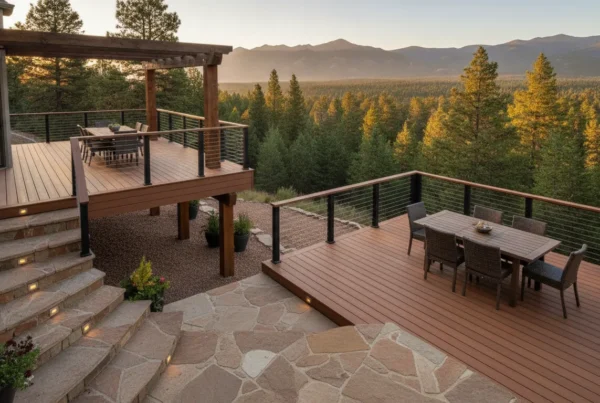
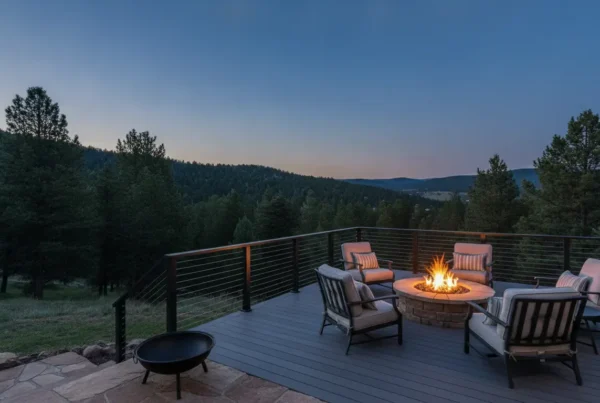
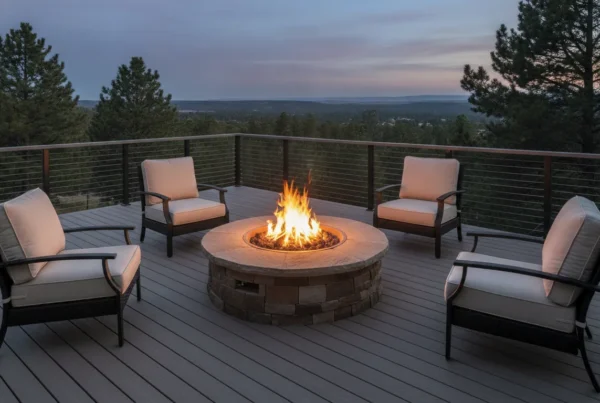
A few carefully placed lights can make stairs, railings, and gathering areas more comfortable to use at night. Before choosing fixtures, it’s worth understanding the deck lighting installation cost and what goes into the estimate. The price can vary based on your deck’s size, the number and style of lights, wiring access, and whether the project needs electrical work. Solar fixtures may need less installation, while a wired system can provide dependable light in places that don’t get much sun.
The sections below break down the main cost factors and explain how to compare options, so you can plan lighting that suits both your deck and your budget.
Key Takeaways
- Set a realistic budget: Use $1,500 to $3,000 as a starting estimate, then account for fixture choices, wiring access, deck condition, and electrical work.
- Plan for your deck and Colorado conditions: Choose outdoor-rated lights suited to sun, snow, and shade, and prioritize stairs, entrances, and gathering areas.
- Compare complete estimates: Ask for itemized materials and labor, plus clear details on permits, warranties, electrical responsibilities, and possible add-ons.
What Does Deck Lighting Installation Cost?
Common range: $1,500–$3,000
A professionally installed deck lighting system commonly costs between $1,500 and $3,000. The final price depends on your deck’s size and layout, the fixtures you choose, and the wiring or electrical work required. A simple setup on a compact deck may cost less, while a larger space with multiple lighting zones or more involved wiring may exceed this range.
Treat this as a planning estimate, not a fixed quote. Fixture type, project size, and installation method are major cost factors. Ask contractors to outline the work included so you can compare estimates on the same basis. If lighting is part of a new build or replacement, discuss fixture locations while developing your deck plans.
Material costs: fixtures, wiring, transformers, and controls
Materials include more than the visible lights. Depending on the system, your project may need fixtures, low-voltage wire, a transformer, connectors, switches, timers, or dimmers. Prices vary by style, finish, brightness, and brand. A basic kit may cost less, but it may not include the components or number of lights your deck needs.
Ask for an itemized materials list that names the fixture models and quantities, along with wiring and control equipment. This helps you compare quotes and confirm that the proposed setup suits your deck. If you want dimming or separate lighting zones, check that the needed controls are included before approving the estimate.
Labor costs: layout, installation, and electrical work
Labor covers planning fixture locations, running and connecting wiring, mounting lights, and testing the system. The time required depends on deck access and how easily the installer can route wiring. Adding lights to an existing deck may take more planning than including them during a new build or deck replacement.
Some projects also need an electrician, especially when the work involves household power or changes beyond a low-voltage system. Hiring a professional can help coordinate the work and avoid misplaced fixtures or wiring that needs to be redone. A professional installer can help organize scheduling and complete the work. Before hiring, ask who handles each task and whether electrical work is included in the estimate.
What moves costs above or below this range
A smaller deck with a few solar fixtures may cost less than a larger wired installation. Solar lights typically have a lower upfront cost because they don’t require the same wiring and transformer setup as many low-voltage systems. Their performance, however, depends on available sunlight. Low-voltage systems usually require more components and installation work, and adding fixtures increases both material and labor costs.
Costs may also rise if your deck has difficult wiring access, multiple levels, several stairways, or separate lighting zones. Fixture quality, switches, and dimmers can affect the total, too. Think about where people walk, enter, and gather, then share those priorities when requesting a quote. If lighting is part of a larger outdoor project, coordinating it with your deck design can help the contractor plan fixture placement alongside construction details.
Which Deck Lights Can You Choose, and How Do Costs Compare?
The right deck lighting plan depends on how you use the space, how much light you need, and what your deck can support. A few fixtures may be enough to make stairs and entrances easier to see. A larger deck with dining and seating areas may call for several types of lighting. Compare power systems, fixture styles, installation needs, and product warranties before choosing.
| System | What drives the price | Best fit |
|---|---|---|
| Solar. | Fixture count and sun exposure, with little or no wiring. | Sunny stairs, posts, and railings. |
| Low voltage. | Fixtures, wire, a transformer, and installation time. | Several lights across one deck. |
| Line voltage. | Electrical work and code requirements, plus the fixtures. | Covered areas and steady nighttime use. |
Compare LED, solar, low-voltage, and line-voltage systems
LED describes the light source; solar, low-voltage, and line-voltage describe how a fixture receives power. LEDs are available in many systems and typically use less energy than older bulb types. Solar lights avoid wiring, but need suitable sun exposure to perform well. Low-voltage systems use a transformer to power connected fixtures and can work well across a deck with several lights.
Line-voltage fixtures connect to your home’s electrical system, so installation may involve an electrician and must follow local requirements. When comparing options, weigh the power source, the amount of wiring, and whether an electrician is required.
Choose post cap, recessed, stair, under-rail, or string lights
Choose fixtures based on where you need light and the look you want. Post cap lights illuminate railing posts and nearby areas. Stair or riser lights help make steps easier to see, while recessed fixtures sit flush with the deck surface. Under-rail lights cast a subtle glow along the deck’s edge.
String lights can make a dining or seating area feel welcoming, particularly when there’s a sturdy pergola or other structure for support. Combining styles can provide useful light for walking and a softer feel for gathering, so match each fixture to the part of the deck it will light.
Compare upfront cost, installation needs, energy use, and lifespan
A small solar or low-voltage kit may cost less upfront than a system with more fixtures, wiring, and controls. Equipment prices do not necessarily include installation or electrical work.
Your total depends on fixture count, access to wiring, and any deck modifications. Solar lights can reduce wiring needs, though shade may affect their performance. Wired systems require more planning but can provide consistent light in chosen locations. Compare expected energy use, maintenance, and replacement costs along with the purchase price.
Check fixture weather resistance, dimming, and warranties
Deck lights are exposed to rain, snow, temperature changes, and regular wear. Choose fixtures made for outdoor use, and check that the wiring, connectors, and transformer are suitable for their installation locations.
Dimming controls can help you adjust the light for different activities, such as dinner or evening conversations. Before buying, confirm that the fixtures, transformer, bulbs, and controls are compatible. Read the warranty details, too. Coverage may differ for the fixture finish, electrical components, or accessories, and installation may have separate terms. Reviewing these specifications upfront helps you compare products fairly and understand what support is available if a component fails.
Choose compatible systems and fixtures
Before ordering, sketch a simple lighting plan and note where each fixture will go. Check that the fixture type suits the deck material and structure: recessed lights need space in the surface, while post cap lights need to fit the railing posts.
Confirm that the transformer has enough capacity for the planned fixtures and that connectors and controls work with the system. If you’re replacing a deck or adding a cover, plan for lighting before construction so wiring and fixture placement can be considered alongside the design. Colorado Custom Covers & Decks offers residential decking services, and discussing lighting early can help coordinate it with a larger project.
What Affects Deck Lighting Installation Costs?
Deck lighting estimates reflect more than the price of the fixtures. The deck’s size and condition, access for wiring, and any electrical or permit requirements can all affect the total. Understanding these details helps you compare quotes and decide what to include in your project.
Deck size, layout, and fixture count
A larger deck may need more fixtures, longer wire runs, and additional installation time. But square footage is only one factor. A smaller deck with multiple levels, stairs, corners, or distinct seating areas may take more planning than a simple, open layout.
Start by identifying the spots where you want light, such as stairs, entrances, railings, and dining areas. The right number and placement of fixtures can improve visibility without creating glare or uneven patches of light. Project size, light type, and installation method are among the factors that shape cost. Share how you use your deck with your contractor so they can suggest a practical layout and fixture count.
Fixture quality, materials, and deck compatibility
Fixture prices vary by material, finish, features, and expected lifespan. Since deck lights are exposed to the elements, choose products rated for outdoor use and check the manufacturer’s guidance on moisture protection. Dimming options, replaceable parts, and warranty coverage can also affect the upfront price and ongoing maintenance.
Compatibility is just as important as appearance. A light made for one type of railing or post may not fit your deck without extra labor or materials. Confirm that the fixtures, wiring, and controls work together before purchasing. Different fixture styles can suit different areas of an outdoor space. If your project includes new decking or a replacement, coordinate fixture choices with the deck materials and design.
Wiring access, transformers, switches, and electrical upgrades
A wired lighting system may require more than fixtures and wire. The estimate could include a transformer for low-voltage lights, switches or controls, and labor to route and protect wiring. Costs may increase if the work requires a new circuit, an added switch, or other electrical changes.
Access affects how long installation takes. Open space beneath a deck can make wiring easier to reach, while enclosed areas or complicated routes may require extra work. Ask where the transformer and controls will be located, how wires will be protected, and whether the quote includes electrical upgrades. A professional can plan fixture placement and wiring routes before installation, including the choice between a do-it-yourself approach and professional deck lighting installation.
Deck condition, installation complexity, and labor needs
A worn deck is a poor base for new lights. Loose boards, damaged railings, or other worn areas can affect fixture placement and the safety of the finished work. If the deck has reached the end of its useful life, plan the lighting with a full rebuild rather than a patch. Coordinating the lights with that construction can help avoid additional work later. Colorado Custom Covers & Decks offers residential decking services for homeowners planning deck projects.
Labor also depends on the design and access. A multi-level deck or hard-to-reach area may take longer than a straightforward installation. Ask how the contractor will check placement, reduce glare, and protect connections from moisture. Careful planning can help prevent dark spots and installation problems when you add deck lighting.
Permits and local electrical codes
Permit and inspection requirements depend on your location and the work involved. Replacing a fixture may have different requirements from adding a circuit or making other electrical changes. Before work begins, ask whether permits or inspections are needed, who will handle them, and whether related fees are included in the estimate.
Electrical rules can vary between states and local jurisdictions, so confirm the requirements for your address with your contractor or a licensed electrician. The National Electrical Code provides a model code, but local authorities decide how it is adopted and enforced. If the lighting is part of a larger deck project, include permit and electrical questions early in the design and construction plan.
How Do You Plan a Deck Lighting Layout?
Prioritize stairs, entrances, railings, and gathering areas
Begin with the places where people walk and change levels: stairs, entrances, and paths between the deck, house, and yard. Add lighting near railings and posts to make deck edges easier to see. Then plan for how you use gathering spots, such as a dining table, lounge area, or outdoor kitchen. These areas may need focused light for cooking or eating, along with softer light for relaxing.
Avoid placing fixtures where they shine directly into someone’s eyes or create sharp glare through nearby windows. You don’t need a light at every post or step. Focus on stairs, posts, and railings where visibility or a design detail would benefit.
Provide safe, comfortable, even lighting
Plan for layers of light rather than the same brightness across the entire deck. Use brighter fixtures where people walk, then softer lighting near seating and dining areas. This helps make key features visible without making the space feel harsh or washed out. Check how the layout looks from inside the house, too, since a bright fixture near a door or window can cause glare.
Consider how trees, a roof, or a pergola may cast shadows, and whether the deck transitions clearly to the yard after dark. Combine light sources instead of aiming for uniform brightness. Test fixture placement before installation when possible, so you can adjust the plan before wiring and deck details are set.
Choose outdoor-rated fixtures and moisture-protected wiring
Choose fixtures made for outdoor use, and review their weather-resistance ratings, installation instructions, and warranty. Colorado’s exposure to rain, snow, sun, and temperature swings makes it especially important to select products suited to local conditions. Confirm that fixtures, transformers, and controls work together before purchasing, particularly if you plan to use dimmers or connect several lights to one system.
Wiring and connections also need protection from moisture and physical damage. Electrical requirements depend on the system and location, so ask a qualified electrician to confirm the proper installation, including grounding and GFCI protection where required by code. Follow the manufacturer’s instructions for routing and securing cables, and check local requirements before work begins. For a complex layout or electrical upgrade, professional guidance can help prevent safety issues and costly rework.
Coordinate fixture placement with deck construction or renovation
Include lighting in the deck plan before construction or renovation begins. Share your preferred fixture types and locations with your builder so they can plan wiring routes, transformer access, and placement around stairs, posts, and railings. Early coordination can make installation neater and reduce the chance of removing finished boards or trim to reach wiring later.
For an existing deck, have the installer assess its condition and determine how easily wiring can be accessed. Composite boards, railing systems, covered areas, and pergolas can affect fixture choices and installation details. If you’re planning a new build or replacement, discuss lighting alongside the rest of your residential decking project. A coordinated plan helps the lights work with the deck’s layout and how your household uses the space.
Should You Install Deck Lighting or Hire a Pro?
The right choice depends on the lighting system, your deck’s layout, and whether the work involves electrical wiring. A few solar fixtures may be manageable as a DIY project. Wired systems, electrical upgrades, or detailed lighting plans often benefit from professional installation. Before you buy, sketch out where you want light and check what each fixture requires. Planning first can help you choose compatible products and avoid redoing work.
Install solar lights yourself when appropriate
Solar lights can work well as a DIY option when you want to add a few fixtures without running electrical wiring. Many post cap and railing lights attach with basic hardware, as long as they fit your deck. Solar systems also do not need a transformer or connection to your home’s electrical system. Solar lights are typically among the more cost-effective choices.
Check each fixture’s dimensions and mounting instructions before purchasing. Solar panels need sunlight to charge, so shaded decks may not get consistent illumination, particularly during shorter days. Try one fixture in the planned location first, then assess its brightness before installing more.
Hire a pro for wiring, electrical upgrades, or complex layouts
Consider professional help if your plan involves low-voltage wiring, new switches, a transformer, or changes to your home’s electrical system. A qualified professional can review the wiring route, confirm that components are compatible, and position lights to illuminate stairs and gathering areas without uncomfortable glare. Complex layouts may also need to be coordinated with deck construction or a full rebuild.
Ask who will handle each part of the project. Your deck builder may plan fixture locations and coordinate the work, while a licensed electrician may be needed for electrical connections. Technical knowledge can matter for reliable results on a deck lighting project. If you are unsure who should complete a task, clarify responsibilities before work begins.
Avoid DIY mistakes that add costs or safety risks
Plan fixture locations before buying materials. Poor placement can leave stairs in shadow or direct light into people’s eyes. Also check that fixtures are rated for outdoor use and that all system components are compatible. With wired lighting, weak connections or an overloaded circuit can create safety concerns and extra work later.
For a wired setup, confirm the required wire type, transformer capacity, and installation method in the product instructions. If you are uncertain about wiring or whether a fixture suits its location, pause and ask a qualified professional. Poor planning, incorrect fixture placement, and weak connections are common problems on a deck lighting project. Follow manufacturer guidance rather than improvising connections.
Check qualifications, permits, warranties, and electrical responsibilities
Before work starts, ask who is responsible for permits, inspections, and electrical connections. Requirements can vary by location and project scope, so check with your local building department. If the work involves household wiring, confirm that the person completing it has the appropriate qualifications and understands applicable code requirements. Professional help is the safer choice for deck lighting installation when wiring conditions or compliance are uncertain.
Request an itemized estimate that lists fixtures, wiring, controls, labor, permits, and electrical work. Confirm which warranties cover the products and installation, and which work sits outside the quote. If lighting is part of a larger renovation, discuss fixture placement early with your deck contractor. Colorado Custom Covers & Decks can coordinate lighting considerations with residential decking projects.
How Can Colorado Homeowners Plan Deck Lighting?
Account for weather, shade, and seasonal sunlight
Colorado decks experience strong sun, rain, snow, and significant temperature changes. Choose fixtures and wiring rated for outdoor use, and check the manufacturer’s guidance for moisture and cold-weather exposure. Placement matters, too: lights beneath a roof or pergola may have more protection than fixtures along open railings or stairs. Use fixture styles made for outdoor decks rather than indoor fittings.
If you’re considering solar lights, assess how much direct sunlight each area gets throughout the day. Trees, nearby buildings, and covered sections can limit charging, particularly during shorter winter days. Solar may suit sunny spots, while wired lighting can offer more dependable illumination in shaded areas or where you need consistent light after dark.
Match lighting to how you use your deck and nearby outdoor spaces
Begin with the places where people walk. Stairs, entrances, changes in level, and paths to the yard deserve clear, comfortable lighting. Recessed, stair, railing, and post cap fixtures can help define edges and transitions. If you cook outdoors, consider task lighting near a grill or outdoor kitchen so you can see food and work surfaces.
Next, think about where people gather. A dining table, seating area, or fire pit may call for softer lighting than a staircase. Avoid placing bright fixtures where they shine directly into people’s eyes or create glare toward the yard or neighboring homes. A thoughtful layout can make it easier to move around while keeping the space comfortable for relaxing and entertaining.
Coordinate fixtures with covered decks, pergolas, and custom plans
A roof or pergola gives you the option to add overhead fixtures, while lights on stairs, railings, or posts can illuminate areas beyond their reach. Combining fixture types can help distinguish spaces for dining, cooking, and lounging. Before selecting locations, consider the positions of beams, posts, furniture, and controls so the finished layout feels intentional and practical.
If you’re building a deck or planning a replacement, discuss lighting early. Colorado Custom Covers & Decks can coordinate fixture placement with the deck design and construction details, which may help avoid awkward wiring routes or blocked access later. Colorado Custom Covers & Decks plans residential decking projects around the home, the site, and how homeowners want to use their outdoor space.
Request a site-specific estimate for your deck and electrical needs
A useful estimate should account for your deck’s layout and electrical requirements, not just the price per fixture. Ask the contractor to detail the number and type of lights, wiring, transformers, switches, labor, and any electrical work. Deck condition and installation complexity can affect the total, too. Those are the common factors that influence project pricing.
Request an itemized quote that lists materials, labor, permit fees if applicable, and any exclusions or potential add-ons. Confirm which fixtures are included and whether electrical upgrades are covered. An on-site review can help the contractor account for shade, weather exposure, and how the deck connects to your home and yard. If electrical work is required, ask who will handle it and whether permits or inspections apply.
Frequently Asked Questions
How much should I budget for professional deck lighting installation?
Many projects fall between $1,500 and $3,000, but your total depends on the deck layout, fixture count, wiring access, and any electrical work. Request an itemized estimate based on your deck rather than relying on a general price range.
Are solar deck lights a good choice for Colorado homes?
They can work well in sunny areas where the panels receive enough light to charge. Shade from trees, a roof, or a pergola may affect how long they stay lit, especially during shorter winter days. For shaded spots or more consistent lighting, compare wired options.
Do deck lights need a permit?
It depends on your location and the work involved. Replacing a fixture may have different requirements from adding a circuit or changing household wiring. Ask your contractor or a licensed electrician to check local rules and clarify who will arrange any permits or inspections.
Is it easier to install deck lighting during a deck build or replacement?
Planning lighting alongside construction gives your builder a chance to coordinate fixture locations, wiring routes, and access to components before the deck is finished. You can also add lighting to an existing deck, though access and deck condition may affect the work.
What should I check before accepting a lighting estimate?
Make sure it lists the fixtures, wiring, transformer, controls, labor, and any electrical work or permit fees. Confirm product and installation warranties, note what the quote excludes, and ask how added work will be priced.