Deck permits are a critical part of building a safe, long-lasting deck in Evergreen, Conifer, Morrison, Genesee, and throughout Jefferson County. While the permitting process can feel overwhelming, it exists to protect homeowners, ensure structural safety, and confirm that decks are built to withstand Colorado’s demanding foothill conditions.
Understanding why permits matter — and how the process works — helps homeowners avoid costly mistakes and long-term issues.
Why Deck Permits Are Required in Foothill Communities
Decks are structural systems that must safely support weight, weather, and long-term use. In foothill areas, additional factors such as snow loads, elevation, slope, and soil conditions make proper permitting even more important.
Deck permits help ensure:
- Footings are properly sized and placed
- Framing and connections meet safety standards
- Railings and stairs comply with current codes
- The deck is engineered for local snow loads
Permits confirm that a deck is designed and built to perform safely in Colorado’s climate.
Risks of Unpermitted Deck Construction
Building a deck without proper permits can create serious problems for homeowners.
Common risks include:
- Structural safety hazards
- Failed home inspections during resale
- Required tear-outs or costly retrofits
- Liability issues if an accident occurs
Unpermitted decks may look acceptable on the surface, but hidden structural issues often go unnoticed until they become major problems.
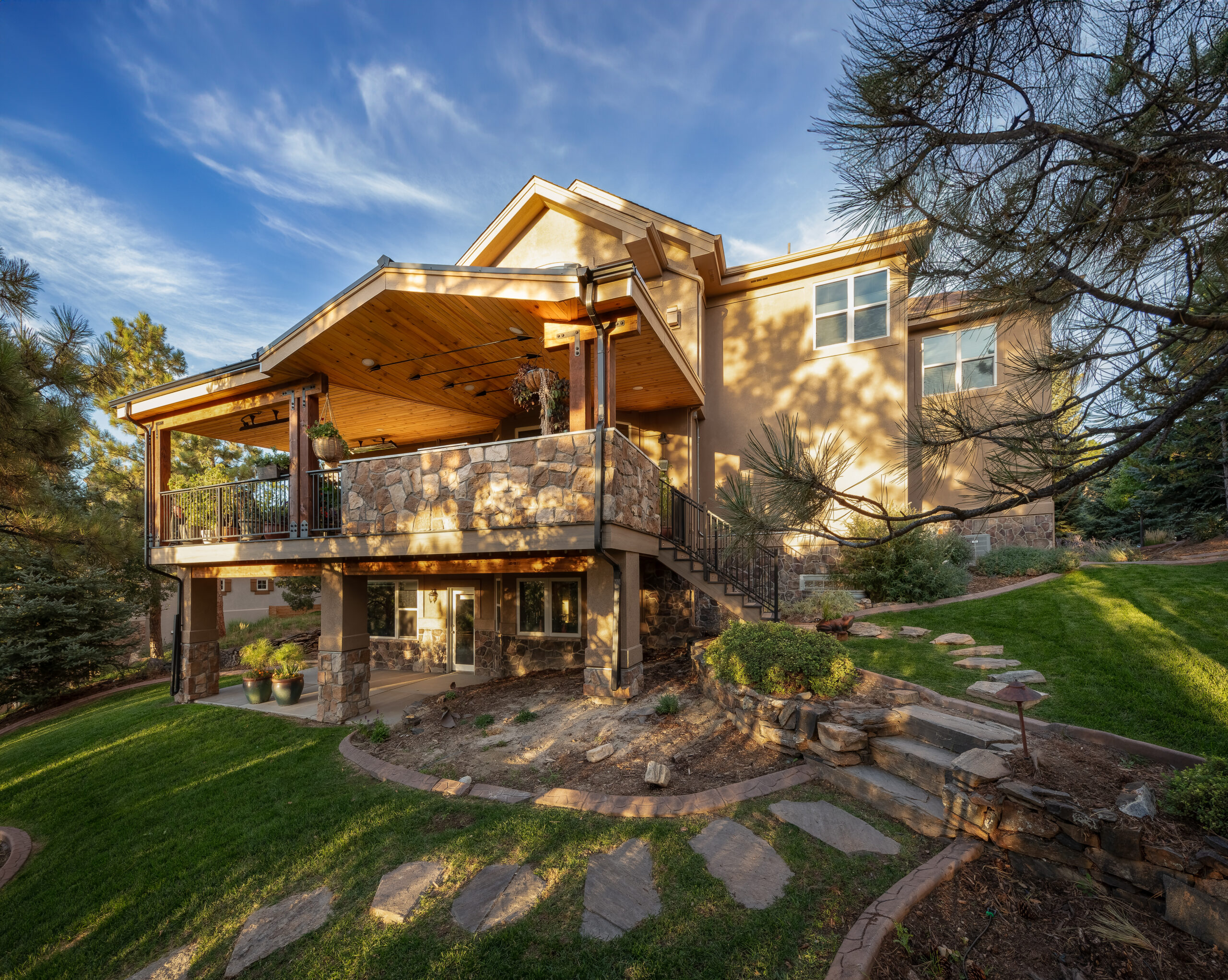
What the Deck Permitting Process Typically Includes
While requirements vary by jurisdiction, a properly permitted deck project generally follows these steps:
Design Review
Plans are reviewed to confirm the deck meets structural, zoning, and safety requirements. This often includes verifying snow load calculations and site conditions.
Permit Approval
Once approved, a permit is issued allowing construction to begin legally.
Required Inspections
Inspections are completed at key stages, such as:
- Footings
- Framing
- Final construction
These inspections ensure the deck is built according to approved plans.
Final Approval
After passing all inspections, the project receives final approval, confirming the deck is compliant and safe for use.
Why Local Knowledge Matters for Permits
Permitting requirements can vary significantly between municipalities and foothill communities. What’s acceptable in one area may not be in another.
Working with a contractor familiar with Jefferson County, Evergreen, Conifer, Morrison, and surrounding foothills helps ensure:
- Accurate plan preparation
- Fewer delays or revisions
- Smooth inspection scheduling
- Compliance with local regulations
Local experience streamlines the process and reduces frustration for homeowners.
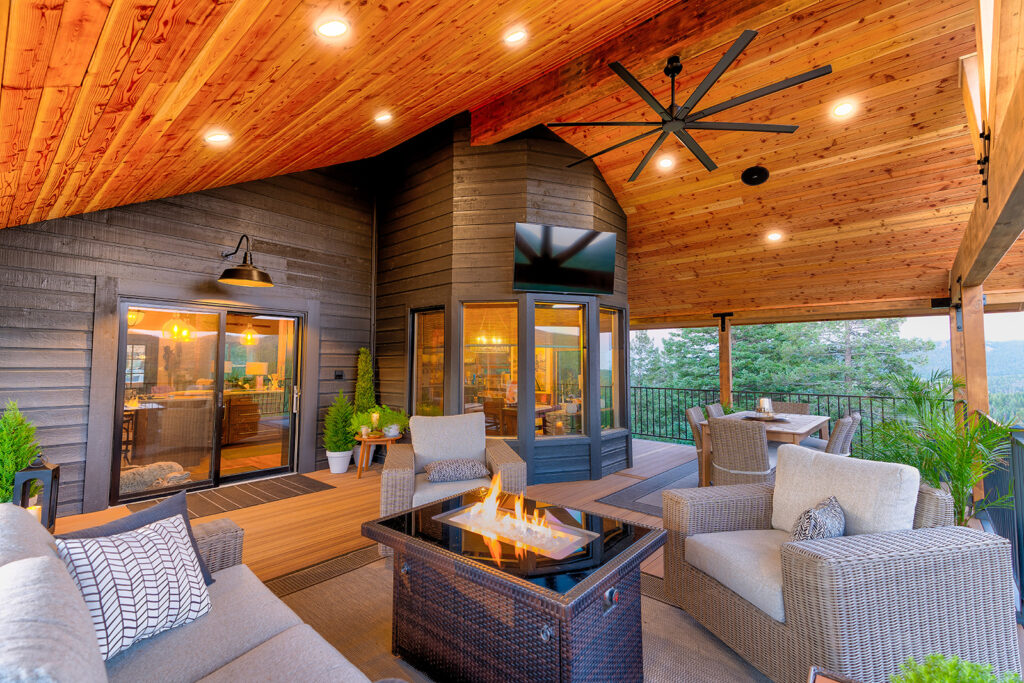
Permits Are Part of Building a Durable Deck
Permits aren’t just paperwork — they are an essential part of building a deck that is safe, durable, and compliant. A permitted deck protects your investment, your home, and your family while ensuring the structure performs properly for years to come.
Why Homeowners Choose Colorado Custom Covers & Decks
Homeowners choose Colorado Custom Covers & Decks because we specialize in custom deck construction throughout Evergreen, Conifer, Morrison, Genesee, and the Colorado foothills.
Our team understands local permitting requirements, snow load regulations, and foothill construction challenges. From design and permitting to inspections and final approval, we manage the entire process so homeowners can enjoy a smooth, stress-free experience and a deck built to last.
If you’re planning a deck project in the foothills, contact Colorado Custom Covers & Decks to schedule a consultation and get expert guidance through the permitting process.